.png) 5 hours ago
4
5 hours ago
4
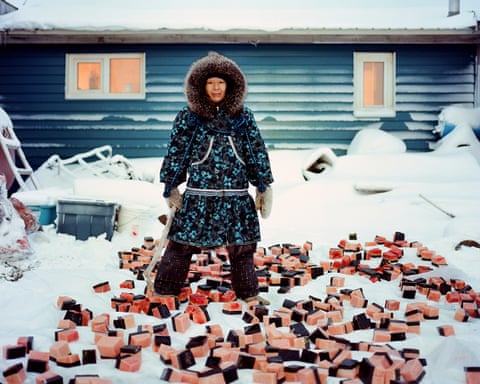
Spanning generations and multiple Indigenous societies and nations, In Light and Shadow traces the visual importance of Indigenous photographers. Representing work in different genres, the book presents more than 250 images with an accompanying exhibition at Obscura Gallery from 14 August
A Thanksgiving Day feast in Alaska Photograph: Brian AdamsMon 10 Aug 2026 08.00 CEST
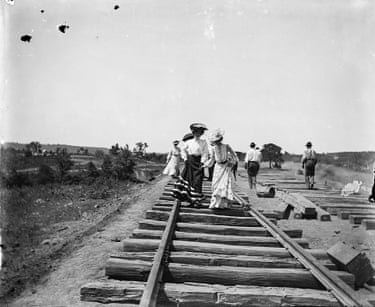
Jennie Ross Cobb – Cherokee Nation
This shot documents friends walking along the Ozark and Cherokee Central Railroad, under construction in Tahlequah, Oklahoma, 1902. Born in 1881, Ross Cobb is the first known female native American photographer, shooting candid images of the people of the Cherokee Nation Photograph: Jennie Ross Cobb Collection/Oklahoma Historical Society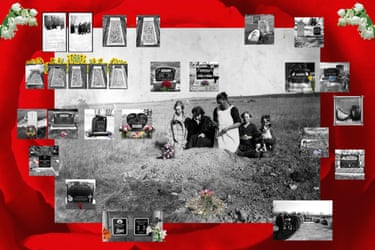
Rosalie Favell – Métis
Rosalie Favell is an artist who draws inspiration from her family history and Métis heritage. Forever in Our Hearts, 2021 is from her series Family LegacyPhotograph: Rosalie Favell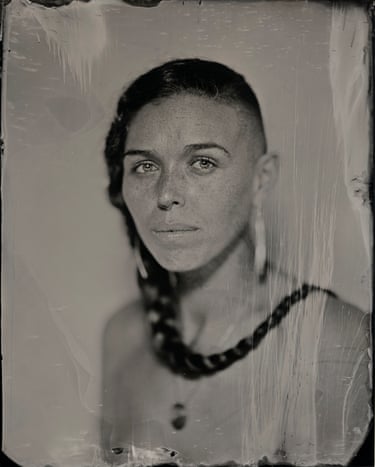
Kali Spitzer – Kaska Dena, Jewish
The project An Exploration of Resilience and Resistance is shot on a timeless large format, wet-plate camera. The portrait shown here is of Larissa Grieves, who is of Nisga’a, Gitxsan, Métis, Swedish, Irish and Scottish heritage, challenging pre-conceived notions of race, gender and sexualityPhotograph: Kali Spitzer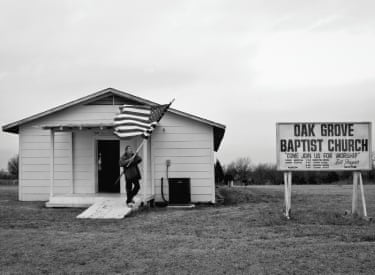
Tom Fields – Cherokee, Muscogee Creek
Fields is known for his realistic, documentary approach to Indigenous life, typified by this image from 2010 of Bill Frazier, a Chickasaw pastor and US Marine Corps veteranPhotograph: Tom Fields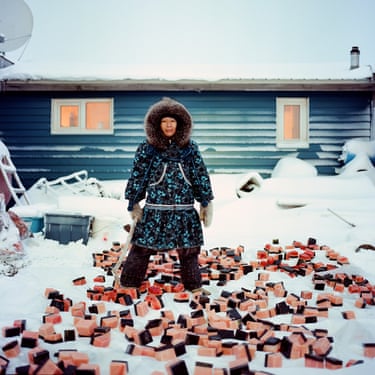
Brian Adams – Iñupiaq
Photographed in 2015 in Kaktovik, Alaska, for his book I Am Inuit, Marie Rexford stands over a pile of muktuk – whale skin and blubber – that she is preparing for a Thanksgiving Day feastPhotograph: Brian Adams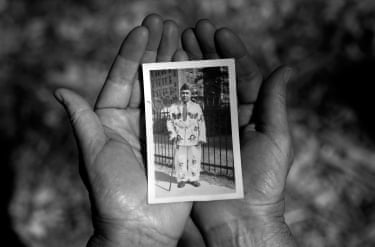
Nīa MacKnight – Lakota, Anishinaabe, Scottish
MacKnight never met her great-grandfather, but documents how he reclaimed his heritage and forged a new identity, through a trunk containing his personal items and photographs Photograph: Nīa MacKnight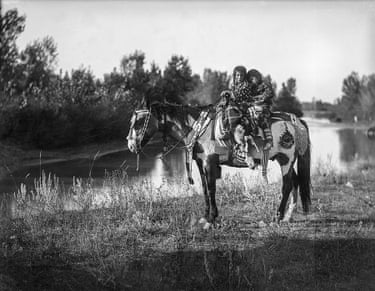
Richard Throssel – Cree
Throssel was of Cree heritage but lived among the Crow people of the Apsáalooke Nation. This image of two children on a horse, from the early 1900s, shows his ability to capture an unguarded momentPhotograph: Richard Throssel/American Heritage Centre, University of Wyoming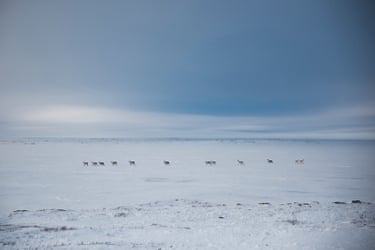
Pat Kane – Algonquin Anishinaabe, Irish Canadian
An image of caribou at Lac de Gras in 2021 is characteristic of the documentary approach that Kane takes to stories about life in Northern Canada where he is based, with particular emphasis on issues relevant to Indigenous people Photograph: Pat Kane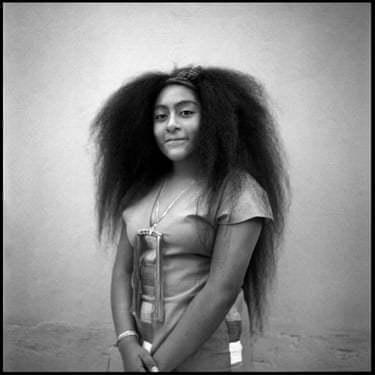
Citlali Fabián – Yalalteca
A portrait of Melina Monserrat, of Yalaltec descent, in Oaxaca City, Mexico. Fabián uses photography to explore what Indigenous identity means todayPhotograph: Citlali Fabián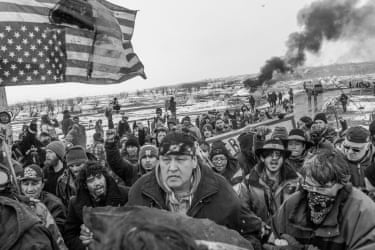
Josué Rivas – Mexica, Otomi
A multidisciplinary artist, Rivas’ work challenges traditional narratives around Indigenous life and draws attention to the issues they face. Taken in 2017, this shot is of people leaving the Oceti Sakowin Camp at Cannon Ball, North Dakota, where they were protesting the Dakota Access Pipeline, a movement he had spent six months photographingPhotograph: Josué RivasExplore more on these topics