.png) 8 hours ago
28
8 hours ago
28
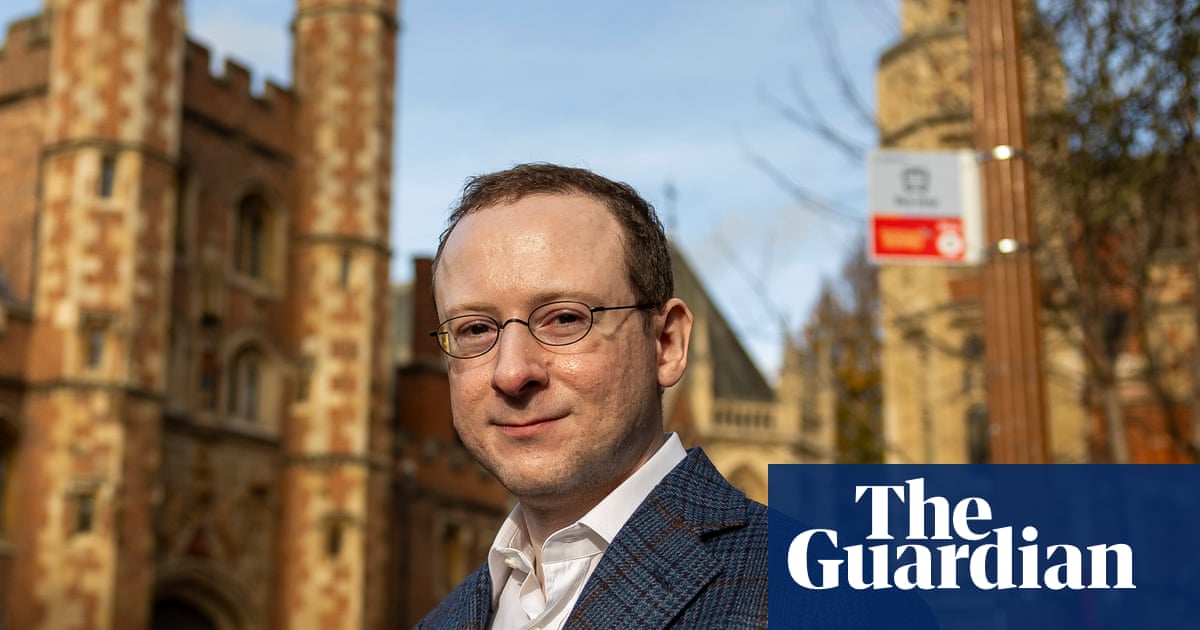
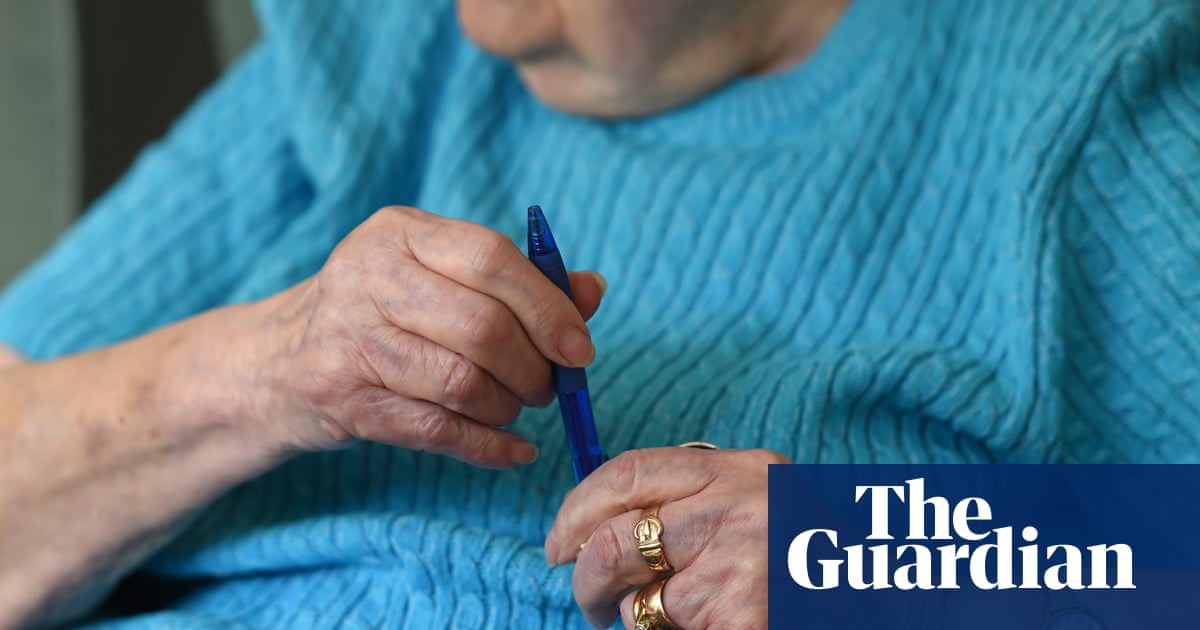
Campaigners have hailed Andy Burnham’s pledge to bring an end to indefinite jail terms as “a day that thousands of families have spent years fighting for”.
The prime minister has said he will “end the injustice” of imprisonment for public protection (IPP) sentences during this parliament, meaning people will no longer be trapped indefinitely under a sentence abolished more than a decade ago.
The IPP sentence was a form of indeterminate sentence in which offenders were given a minimum jail tariff but no maximum for a range of crimes.
Introduced in 2005, IPPs were designed for the indefinite detention of serious offenders who were perceived to be a risk to the public, but were used much more widely than intended and issued to offenders who committed low-level crimes. The sentence was scrapped in 2012, but its abolition was not retrospective.
Those given an IPP sentence were, in addition, placed on licence indefinitely after release, and are only eligible to have their licence removed after 10 years.
Responding to Burnham’s announcement on Sunday, Marc Conway, a former IPP prisoner who now leads a campaign group against the sentencing regime called Ungripp, said the move was a long overdue step toward justice.
Conway, who was handed an IPP sentence for armed robbery, was one of three released offenders who tackled the Fishmongers’ Hall terrorist Usman Khan in 2019 on London Bridge. He has previously spoken of his fear that tackling the terrorist may have landed him back in jail under the terms of his IPP.
“This is a day that thousands of families have spent years fighting for,” Conway said. “For too long, their loved ones have been trapped by a sentence that was acknowledged as flawed over a decade ago.
“While we welcome this critical action by the government, we do so with heavy hearts for those who did not live to see this day, and for the families torn apart by years of endless uncertainty. Legislation alone cannot undo 20 years of damage, but it is the essential first step toward healing.”
Ungripp urged the Ministry of Justice and probation services to ensure that the implementation of the decision was swift, transparent and accompanied by comprehensive community and mental health support for all those transitioning off IPP licences and out of custody.
Among those to have suffered from the impact of IPP sentences was Tommy Nicol, who took his own life while serving under the now abolished regime.
He was handed a minimum tariff of four years for robbery. After six years in prison, he was told he would not be eligible for another parole hearing for at least another two years. His mental health deteriorated and he died a few months after that decision.
Nine months before his death, Nicol described the sentence as “psychological torture of a person who is doing 99 years” in a handwritten formal complaint.
Responding to Sunday’s announcement, his sister, Donna, who has been a prominent campaigner against the IPP sentence, said: “When I heard the announcement today, my heart instantly split in two. Half of me felt a profound sense of relief for the thousands of families who have spent years living in the same horrific limbo that destroyed my family. The other half of me was crushed by the absolute, unbearable pain that this decision comes 10 years too late for my brother, Tommy.
after newsletter promotion
“While I welcome the commitment to finally bring legislation to terminate these sentences and provide an endpoint to this nightmare, my message to the government today is clear: words are not enough. Implementation must be swift, clear and compassionate. Every day this takes to enact is another day someone’s son, brother or father is driven to the brink of despair.
“Nothing will ever bring Tommy back through our front door. Nothing will undo the trauma my family suffered watching him lose his life to a sentence that should never have existed. But if this announcement means that no other sister has to stand where I am standing today, then Tommy’s legacy, and the fight of every IPP family who refused to give up, will finally have achieved the justice he was denied.”
Speaking on BBC Breakfast, Burnham said he had made the “judgment” that the public would prefer offenders who have served their time being freed before those who have not, and that he had “longstanding concerns” about IPP sentences which had caused “a sense of unfairness” in some cases.
He promised to apply a “commonsense” approach, and said legislation would be brought forward to end such sentences by the end of the parliament.
He told BBC Breakfast: “Many of the people in this position have more than served their time. But on the scheme that I inherited, they would have remained in prison, while others who committed serious offences would have been let out early.
“And we will set up a cross-party oversight group to look at how this is done, because there are still individuals who will pose a risk to communities. It does need to be done in a very careful way with regard to public safety, national security and all of those issues.”
-
In the UK and Ireland, Samaritans can be contacted on freephone 116 123. In the US, you can call or text the National Suicide Prevention Lifeline on 988, chat on 988lifeline.org, or text HOME to 741741 to connect with a crisis counselor. In Australia, the crisis support service Lifeline is 13 11 14. Other international helplines can be found at befrienders.org