.png) 2 months ago
69
2 months ago
69
‘When you imprison a woman, you imprison a family,” a young woman in Sierra Leone told me, cradling her small baby in a damp cell. My mind flashed back to being a teenager, hearing my mother sob after receiving a phone call to say that my father had been arrested in Zambia for political reasons.
I understand how children are collateral damage of imprisonment, and over 20 years as a lawyer, I know that is even more true when women – primary caregivers – are arrested.
I have witnessed the devastating impact of incarceration on hundreds of women and their children but also how their voices are ignored, even in women’s rights spaces.
“Bad girls” is how society labels women in prison. But what if that label is a lie? The majority of women are imprisoned for non-violent offences, and my research, conducted by Women Beyond Walls and Penal Reform International over the past two years, shows that in most cases women are criminalised due to poverty, mental illness, abuse or discrimination.
Half of all women in prison, as opposed to less than a third of men, have a drug dependence in the year before imprisonment.
In Pollsmoor prison in South Africa, where Nelson Mandela was once detained, a woman told me how she had been arrested for shoplifting, as she tried to feed her family. In Sierra Leone, I documented countless women who were arrested for owing money. In Kenya, I heard stories of women being arrested for “hawking” – selling food without a licence – to survive.
Women from Mexico explained how the US-led “war on drugs” is fuelling a rise in the number of women behind bars, especially in Latin America and Asia. Many women sell drugs due to poverty and coercion; though not major players in the drug trade, they are easier to apprehend by police trying to meet quotas.
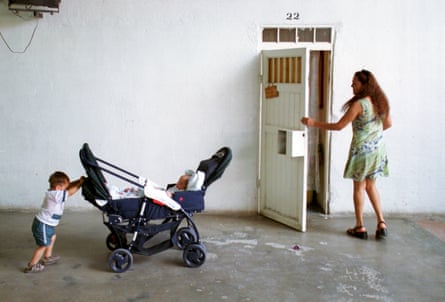
The small proportion of women who commit violent crimes are usually survivors of violence themselves. Women such as 21-year-old Chisomo from Malawi, who was arrested for the murder of her ex-partner. He sexually assaulted her and threatened to kill her if she left him. Chisomo finally fled after he attempted to stab her. However, he later attacked her, stabbing her in her arm and chest. She grabbed the knife and struck back in self-defence.
I have collaborated with lawyers across the world who fight for legal processes to take into consideration a woman’s background of poverty and abuse. But despite these efforts, a legal system built by men and for men continues to fail women through sexism and gender bias. Those who do not fulfil traditional stereotypes of the moral and motherly woman are often punished more harshly.
after newsletter promotion
Prisons are not safe spaces for women. Vulnerable women go into prison and come out further traumatised. I have documented cases where women have experienced sexual violence and heard how practices such as invasive strip-searches and solitary confinement cause further harm to women with histories of sexual abuse or mental health challenges. Imprisoned women’s rates of self-harm are often higher than in men’s prisons.
Despite international standards mandating that prison should be a last resort, especially for pregnant women and women with young children, I continue to encounter tragic stories of women who miscarry and of babies who die in detention.
Children – inside and outside prison – are invisible victims. There are at least 19,000 children detained in prison with their mothers and 1.4 million children have a mother in prison.
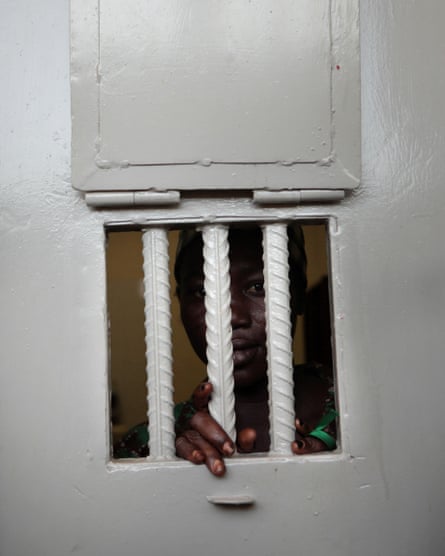
The intergenerational harms of parental imprisonment on children are well researched. I will never forget trying to trace the children of a desperate mother in Sierra Leone, who had no idea what happened to them after she was arrested. A neighbour had taken them in but the nine-year-old girl went to sell items on the street to make money and was never seen again.
One of my biggest frustrations is how women’s incarceration continues to be a blind spot. High-level forums on women’s rights, where policy and funding priorities are set, continue to overlook this issue. There was no mention at all of incarcerated women in the political declaration at the UN Commission on the Status of Women this year.
Women Beyond Walls’ research indicates how organisations working with and for incarcerated women are critically underfunded, even by donors to human rights and women’s rights causes. For too long, stigma, a desire to promote only “sympathetic victims” and sidelining those who do not fit into neat narratives has meant that marginalised women and their children are ignored, despite pledges by the UN to “leave no one behind”.
But despite witnessing suffering, I also see hope. Around the world, women are reimagining what justice could look like, from inside and outside prison walls. Claudia Cordona, who leads Mujeres Libres, a Colombian organisation that campaigns for female prisoners, joined other activists to help pass an innovative law allowing women to serve community sentences rather than imprisonment in certain circumstances.
In Sierra Leone, I worked with a feminist legal group, AdvocAid, to challenge colonial-era loitering laws. In the UK, women’s centres offer a model of community support that is more effective and less costly than prison.
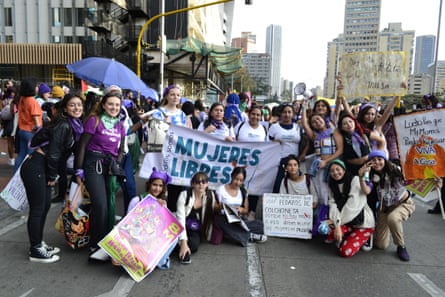
Two years ago, I was at the first convening of the International Network of Formerly Incarcerated Women, which brings together women from more than 30 countries. I wept to hear stories of women turning years of pain into something empowering, providing each other with solidarity and working together to reshape systems that affect them.
As the number of women in prison continues to grow at an alarming rate – faster than that of men – and we look set to reach more than one million women in prison, this is a wake-up call.
Next year offers advocacy opportunities to redress this omittance – from the UN Commission on the Status of Women to the Women Deliver conference.
States must be held accountable for their failure to implement UN standards and lack of investment in alternatives to incarceration. Donors need to resource the vibrant movement of women with lived experience, lawyers, family members and activists, who are chipping away at a broken and brutal system.
Prison is a feminist issue and is deeply intertwined with other women’s rights struggles, including gender-based violence, reproductive rights and poverty.
Reducing women’s mass incarceration must be a global priority so that marginalised women and their children stop being punished for systemic injustice.