.png) 2 months ago
74
2 months ago
74
The BBC has repeatedly faced denunciations over the hordes of staff it takes to major events, from the Glastonbury festival to the Olympics. However, the broadcaster is now facing criticism over a plan to cover some games at next summer’s World Cup remotely to keep down costs.
The 2026 tournament will be the biggest ever, hosted across three countries, different timezones and including an expanded 48-team lineup. To keep a handle on costs, the BBC is considering asking TV commentators and pundits to cover some lower-demand games from its base in Salford, Manchester.
The unprecedented plans mark the latest BBC attempt to adapt to the falling value of licence fee income, which has declined by about a third since 2010. The costs associated with having commentary teams in a stadium, even without accommodation and flight expenses, are understood to be significant.
However, it is expected that the broadcaster will have commentators and pundits in the US throughout the tournament for major games, including all of those played by the home nations.
Insiders have denied claims that its commentators will not broadcast from the US until the quarter-final stages.
The tournament will take place in the US, Canada and Mexico, with some games kicking off as late as 2am BST. The expanded format means it features some smaller teams, such as Uzbekistan, Curaçao and Haiti.
BBC planners are worried about spending limited resources on less popular fixtures in the early hours of the morning.
It has also proven difficult for the BBC to plan a central US hub for its coverage. While New York will host the final and a lot of key matches, fixtures will be played out across a huge area.
Given the timings and costs, some at the BBC cannot understand how other broadcasters will manage to staff all games they are covering from the stadiums.
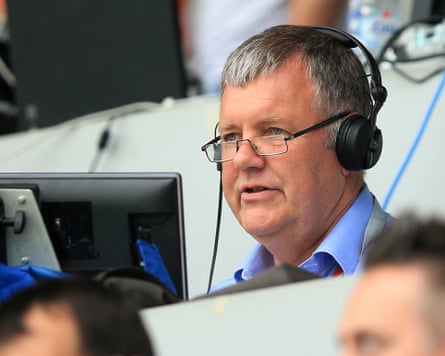
Clive Tyldesley, ITV’s former lead commentator, said commentating remotely was now not unusual, but that all his counterparts preferred to be watching in person.
“There is not a commentator in captivity that would not prefer to be in the stadium,” he said. “The whole experience is more vivid and actually, the technique of commentating on a football match in the stadium is easier and more accurate than commentating off a screen.
“We are there to convey information, but also to convey some of the excitement and mood and temperature and feel of the game. That is amplified at a World Cup.
“A commentator will see only what the viewer sees, reporting remotely. You cannot choose what to focus on – you are in the hands of a director. However, from time to time, it is a good exercise for commentators because it focuses their attention on the viewers’ perspective.”
after newsletter promotion
The proposals mark a change from previous decades. In earlier tournaments, one commentator is said to have been flown to games they were not even commenting on, to help them gather more information and familiarity with the teams.
With sports one of the key areas still driving audiences to live broadcasts, streamers and podcasters are also scrambling to nail down their World Cup coverage.
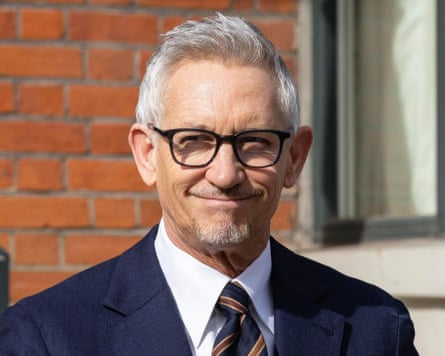
It has emerged that Gary Lineker, formerly the BBC’s highest-paid star until he left the broadcaster earlier this year, has signed a deal with Netflix for the streaming company to host his podcast The Rest is Football during the tournament.
Lineker had been scheduled to front the BBC’s World Cup coverage next summer, before he departed after his apology for amplifying online material with antisemitic connotations.
The former England striker apologised for reposting a video criticising Zionism that included an illustration of a rat, historically an antisemitic insult used in Nazi Germany to characterise Jews. He said at the time that he had not seen the image and would “never consciously repost anything antisemitic”.
His Netflix deal is a sign of increasing interest from streamers in sporting events and rights. Lineker’s filmed podcast will be based in New York and produced daily throughout the World Cup.