.png) 2 months ago
49
2 months ago
49
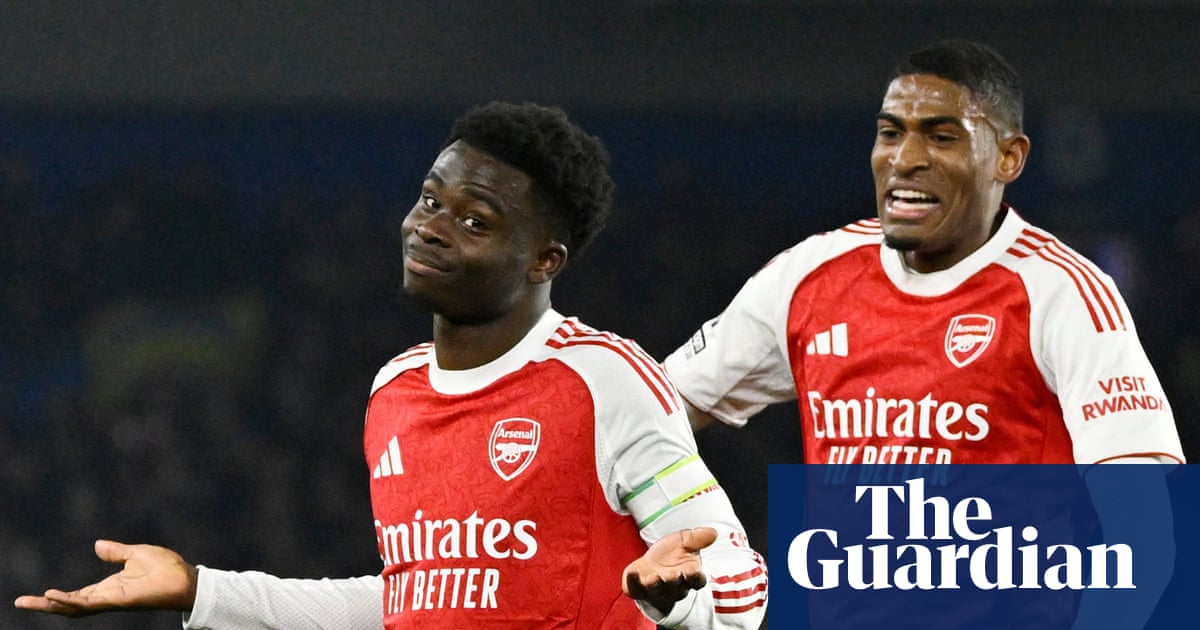
Brighton & Hove Albion has been accused of setting a “dangerous precedent”, as it faced criticism for banning Guardian reporters and photographers from home matches after reports on allegations concerning the club’s owner.
MPs, media and football supporter groups accused the Premier League club of attacking press freedom after its decision to bar the Guardian from the Amex Stadium, after coverage of allegations relating to Tony Bloom.
The club notified the Guardian late on Saturday to say it felt it “would be inappropriate for journalists and photographers from the Guardian to be accredited to matches at the Amex, starting from Sunday’s game against West Ham”.
The allegations about Bloom, a billionaire who has made his money from gambling, have raised questions from MPs.
Dawn Alford, the chief executive of the Society of Editors, said the ban was “deeply concerning”.
“There is a legitimate public interest in the questions raised by the Guardian’s reporting and journalists everywhere must be free to carry out their important role without fear or favour on behalf of the public,” she said.
Caroline Dinenage, the chair of the Commons culture select committee, said it was part of “a concerning trend of football clubs restricting access to journalists because of things that have been written about them”.
“Football clubs are a major part of our communities and whilst they are entitled to expect fair and accurate reporting, it is right that they should be open to scrutiny and transparency for the fans,” she said.
The Football Supporters’ Association also questioned the ban. “The Guardian has a long tradition of top-quality investigative, public interest journalism,” it said. “We would always back the right of a journalist from any reputable media organisation to ask those questions without fear that a club would try to ban its way out of appropriate scrutiny.”
The Guardian revealed last week that Bloom, the majority shareholder at Brighton, is being sued in a lawsuit that alleges “frontmen” were sometimes used when his gambling syndicate placed bets on sports events. The details were set out in a public document at the high court in London.
A source close to Bloom has said he intends to file a defence to the high court claim in due course.
He did not respond to questions from the Guardian about the claim. On Friday, the Guardian published a second story that focused on allegations Bloom could be an anonymous gambler behind $70m (£52m) in winnings – which allegedly included bets on his football teams.
Bloom declined to comment about this specific claim, but through a source made clear he denied betting on his own teams or competitions that involve them, describing any such allegations as “entirely false”. He has since issued a public statement saying he had not bet on Brighton or any competition they are involved in since becoming its owner.
Anna Sabine, the Liberal Democrat culture spokesperson, said the ban “completely flies in the face” of press freedom.
“It is totally unacceptable that Brighton & Hove Albion FC ban specific outlets for simply reporting on allegations that are in the public interest,” she said. “This sets a dangerous precedent and the club should apologise and rethink this misguided decision.”
Owen Meredith, the chief executive of the News Media Association, said the ban represented “a deeply troubling attack on press freedom”.
“Football clubs and their owners occupy a prominent place in public life, and with that profile comes responsibility – including the responsibility to respect independent journalism,” he said.
“Journalism exists to ask difficult questions on behalf of the public, including sports fans, and shutting reporters out sets a dangerous precedent for the game and for democratic accountability. If football clubs pick and choose who gets to scrutinise them, we are not in a world of sport, but censorship.”
The News Media Coalition, which champions media reporting at organised news events including football matches, urged Brighton to swiftly reconsider. “Banning sports and news reporters, photographers and video journalists from attending football matches serves nobody,” said Andrew Moger, its chief executive.
A Brighton spokesperson said: “It is not a decision we took lightly, and gave the Guardian more than 24 hours to remove or add some balance to the offending story. Instead, the Guardian doubled down.
“We completely refute the claim we are restricting press freedom by not permitting access to our stadium press facilities or training ground. The Guardian will continue to report as it wishes.
“We don’t however have to entertain its staff with media passes and hospitality at our stadium or press conferences while it continues to publish articles that are misleading and contain inaccuracies regarding our club’s owner.”