.png) 2 hours ago
6
2 hours ago
6
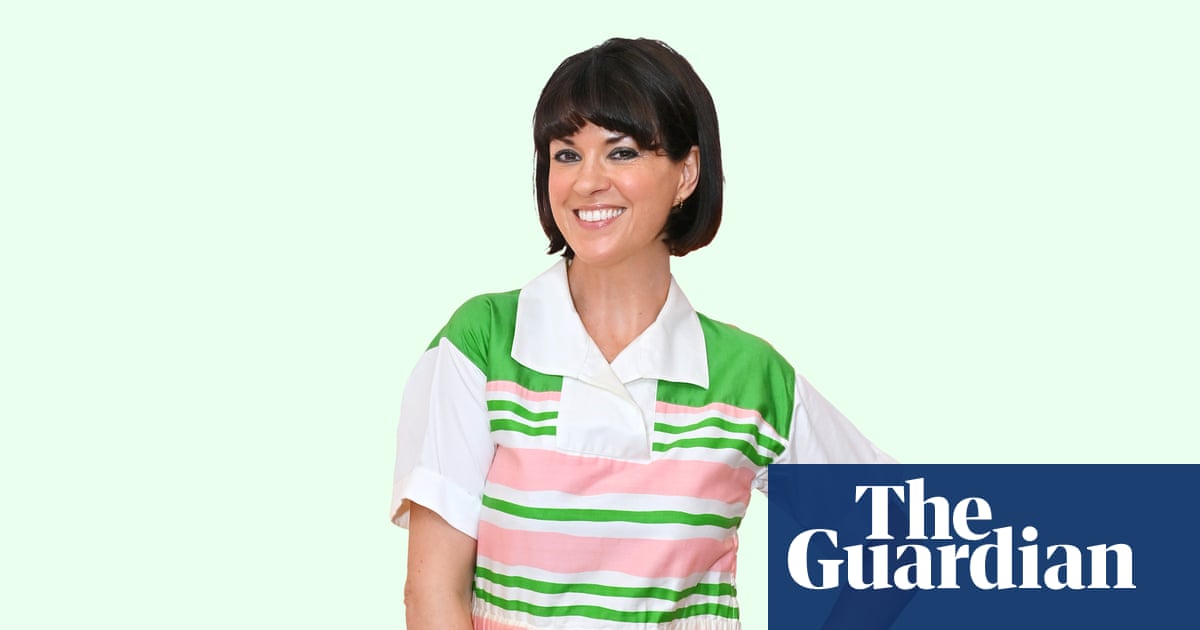
I didn’t want to work in social media. If you’d asked 15-year-old me my dream job, I might have said foreign correspondent, or maybe travel writer. So you can imagine my surprise to now find myself giving these very colleagues advice on how to get the best selfie angle or write the sharpest TikTok ‘hook’.
But taking a job as the Guardian’s deputy editor of social platforms, may prove to be one of my smartest career moves if the current job market is to be believed.
You don’t need to be a digital native to have noticed the way that celebrities, brands and, yes, the prime minister, are taking their social media game seriously these days.
Westminster watchers keeping an eye on the government jobs board to get an idea of the type of people Burnham’s operation wants to recruit, noticed no less than five newly created roles for social media professionals – the most senior of them earning a touch under £70,000 per year.
Burnham’s wholesale commitment to feeding the algorithm may feel like a relative novelty on this side of the pond, but social media has been a political battleground in the US for much longer.
Early in Trump’s presidency, outgoing press secretary Karoline Leavitt could regularly be seen recapping the administration’s “successes” with the catchy “Maga minute”, and New York mayor Zohran Mamdani’s masterful use of social comms is the envy of politicians the world over.
But while it’s true that the internet game requires a charismatic personality, backstage there is a squad of editors, producers and strategists making the whole thing sing. That’s where we come in.

My journey into social media began when my team at CNN took over producing for the TikTok channel in 2023. I realised that’s where audiences, including myself, really were.
If you hear the word TikTok and think it’s just dance trends and memes, think again. My job involved getting phone calls from war zones asking if I had what I needed and being sent selfies from craters. When I left earlier this year we had grown the account to almost 12 million followers.
Now mainstream media is trying to beat content creators at their own game. Oxford’s Reuters Institute this year reported that social and video networks have overtaken news websites and apps by audience share. The BBC has even hired a gen z whisperer.
As with most things in the world of social media, this change has happened rapidly, one of the consequences of that change is that there is really no such thing as a “traditional route” into the industry.

Lauren Spearman is an accidental influencer who found a TikTok following, now at 62,000, while documenting her own frustrations finding a full-time role in marketing. She now enjoys a successful freelance career consulting with the benefit of two decades of experience in social. She says she’s seen a recent shift in businesses hiring for content creators.
“Social is often infantilised but it is business critical,” Spearman said. And she’s right, the trope for years has been that interns are running the accounts of your favourite businesses, but you’re much more likely to find a savvy millennial with a marketing degree behind a brand’s X feed.
What remains to be seen is if C-suites and business leaders really understand the needs of their audiences, or those they’re hiring to cater to them. “The biggest challenge has always been educating up,” said Spearman, noting that she often sees junior roles with small salaries but large scopes and unclear remits.
“A lot of times I’ll go into businesses and there is no strategy that ladders back into what the business is doing,” she said. Let’s not forget that your social producers are often on the frontline of customer interactions and what most consumers see but often still misunderstood and sidelined.
Social media can, of course, be a place for slop; for fearmongering, for misinformation. But the vast majority of good actors are on it as a place to be entertained, informed and even exercise their civic duties.
In many ways it’s still the closest to a global town square we’ve got, fraught with algorithmic problems and regulatory loopholes as it might be. It’s time to start taking the people behind these accounts seriously.