.png) 1 hour ago
4
1 hour ago
4
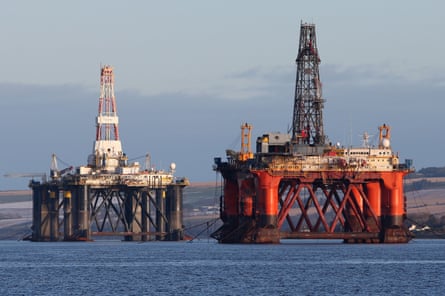
The climate damage caused by developing the Rosebank and Jackdaw oil and gas fields under consideration by the UK government would destroy their economic benefits many times over, according to an analysis.
It estimates the economic damage caused by the carbon pollution from the oil and gas produced would be between £119bn and £336bn in the coming decades, compared with the £28.7bn in value to the UK estimated by Adura, the fossil fuel company promoting the new fields.
The assessment applies peer-reviewed research on how rising temperatures harm economies to the production estimates for the fields from the company. The figures are likely to be underestimates, as they do not include losses from amplified extreme weather, sea level rise or climate deaths. The analysis has been submitted to the Rosebank consultation and to an academic journal.

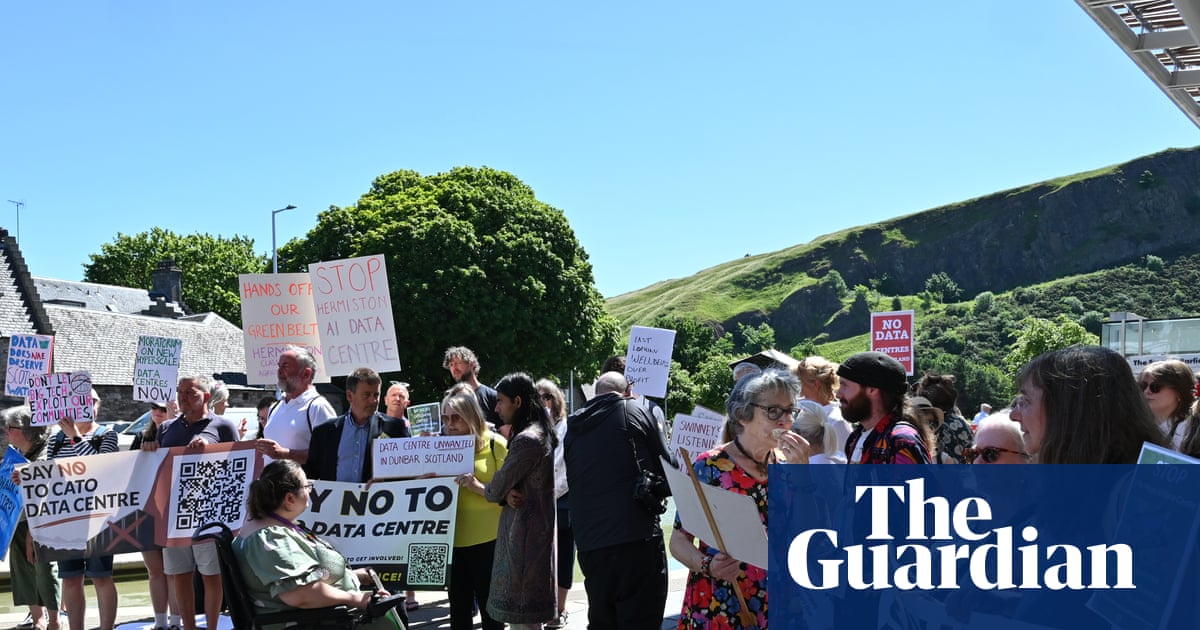
The decision on whether to approve Rosebank and Jackdaw has become highly controversial, with the oil industry, some energy leaders and rightwing political parties pushing for the go-ahead. Most centre and leftwing political parties, climate scientists and environmental campaigners are opposed. The prime minister, Andy Burnham, also faces a revolt from Labour MPs who oppose the plans, while the former energy secretary Ed Miliband once called the Rosebank proposal “climate vandalism”.
The argument that approving Rosebank and Jackdaw would reduce UK bills and improve energy security is a “delusion”, according to energy experts, as they are internationally traded commodities. Proponents of new drilling argue it would boost the UK economy, but the new analysis indicates this would be outweighed by long-term economic damage.
“The numbers presented here show there’s going to be a very strong destruction of [economic] value above and beyond what Rosebank and Jackdaw could generate for the UK,” said Luke Hatton, at Imperial College London, who conducted the analysis. “The alternative is to really double down on clean energy technologies.” The UK’s net zero sector has grown three times faster than the overall UK economy in recent years.
Richard Sulley, of the University of Sheffield’s Grantham Centre for Sustainable Futures, who was not part of the study, said: “Expanding oil and gas production in the North Sea is not just an environmental crime but also economically illiterate. Climate change has already damaged the UK economy, with an estimated £4.4bn loss from this summer’s heatwaves alone.
“Remaining tied to the use of fossil fuels keeps UK industries and consumers exposed to the international markets that set prices and will cost way more than it can ever deliver in growth.”
Prof Ian Bateman, at the University of Exeter Business School, said: “This is an interesting study which shows the cumulative global climate damage of oil extraction and use is beginning to exceed its face value. When we add in the tax giveaways to the oil industry and compare this to the declining cost and zero climate damage of renewable energy then the economic case for leaving oil in the ground is overwhelming.”
Adura, which is jointly owned by Shell and Norway’s Equinor, did not respond to a request for comment.

A spokesperson for the Department for Energy Security and Net Zero said: “The North Sea remains a vital national asset, supporting jobs, growth and the UK’s energy security. Oil and gas will continue to play an important role in our energy system for decades to come, alongside transitioning to clean power to protect jobs and tackle the climate crisis.”
The government’s official advisers, the Climate Change Committee, said in March: “Achieving net zero is a more cost-effective path for the UK economy than continued reliance on fossil fuels, bringing a net benefit to society.”
after newsletter promotion
The analysis uses research published in the journal Nature in March and production data submitted to the government by Adura to assess how much carbon dioxide pollution would result from Rosebank and Jackdaw and how much economic damage that would cause around the world.
The economic damage is estimated for the period up to 2100 and the spread of estimates from £119bn to £336bn results from using ranges for how damages may increase in the future and are valued in today’s money. The analysis is based on additional CO2 being added to the atmosphere as evidence shows new oil and gas fields do not generally lead to other fields being shut down.
If oil and gas production at Rosebank and Jackdaw is better than Adura’s central case, the climate damage range rises to £170bn-£482bn. Just 6% of this higher estimate would need to be felt in the UK to wipe out all the suggested economic gains within the country.
Rosebank’s anticipated production accounts for the bulk of the damages – about 88%. It has been suggested Burnham could approve Jackdaw but block Rosebank.
Dr Rick Lupton, at the University of Bath, said: “The analysis is a reasonable piece of exploratory work based on real data and studies, but there are lots of assumptions involved in the specific numbers. The general point is sound: climate damage will certainly increase from exploiting these fields, and this may well be comparable or much larger than the economic benefits from the development, especially considering the mismatch between who benefits and who suffers the impacts.”
The October cap on energy prices paid by UK energy customers is due to be the highest in three years, driven by high gas prices due to the US-Israeli war on Iran.