.png) 2 months ago
59
2 months ago
59
The first signs of spring shine through the shadow of Haytor Rocks, a granite guard of Dartmoor’s natural secrets. The sun’s heat warms the granite, the first bumblebees thrum over the gorse. After months of mizzly rain, it was freeing to be out on the moor again. The trees were awakening, early emergers blackthorn and willow, stalwarts of Emsworthy Mire – an old friend.
With binoculars pressed tight to my eyes, I scan the valley, searching for any sign of returning migrants. Mid-March is too early for some, but the more proactive species love to start the season early. A raven cronks overhead, a sound as welcoming as it is unnerving.
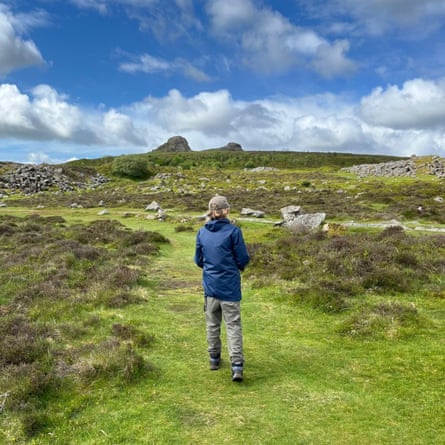
I catch a movement at the corner of my vision. A flick, no more than that. A weary traveller rewards my efforts, warming his toes on a sun-bathed crop of rock. The wheatear is one of the first birds to return to our shores at this time of year, after spending winter in sub-Saharan Africa. Dashingly dressed, its back is a soft slate grey, its chest and stomach a warmer peach. And who could forget the white rump that gives it its name. Clearly proud of this feature, he flashes it for me before disappearing.
The name wheatear comes from an old English phrase, literally translating to “white arse”. My first of the year is a big milestone. Yes, you have your bees, butterflies and sunshine, but that white rump is all I need to know it’s spring.
Henry, 14
Read today’s other YCD, by Isobel, 13: ‘The roe deer are lucky on such a glorious hillside’