.png) 2 months ago
70
2 months ago
70
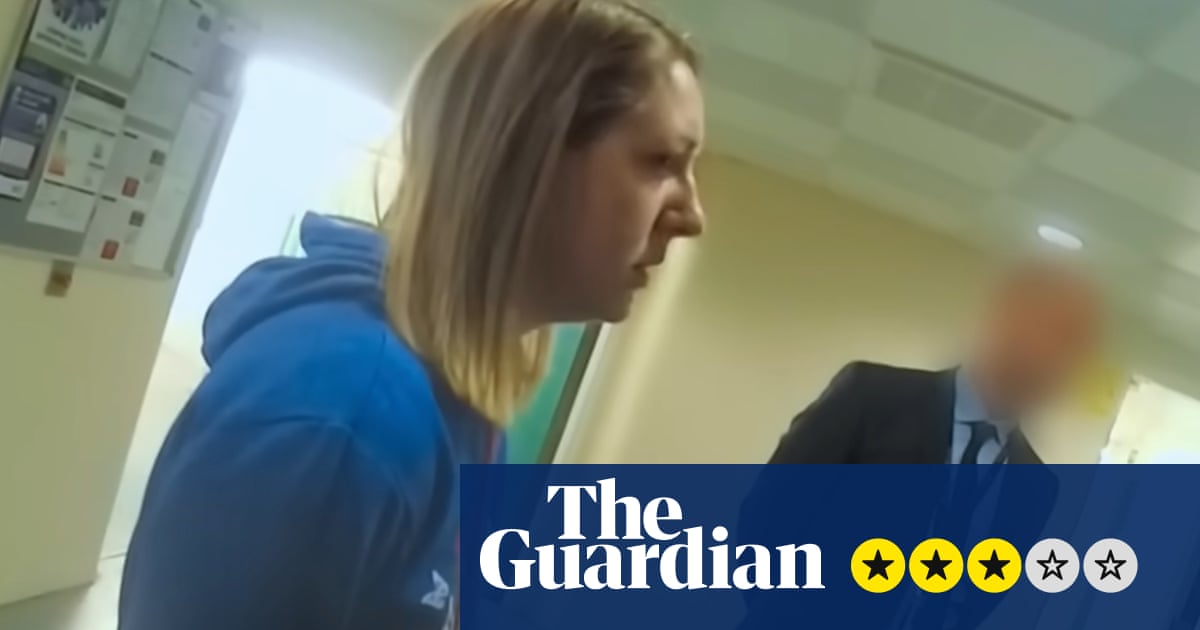
If you watched The Dunblane Tapes on Channel 4 last month, you may feel you lack the emotional fortitude required to sit down in front of another documentary about the primary school shooting that traumatised a nation. Nobody would blame you. The events of March 1996, which resulted in the deaths of 16 children and one teacher, remain exceptionally difficult to contemplate – especially when recounted by parents who lost their sons and daughters that day. Thirty years on, the two local MPs who visited the scene remain unable to discuss it without breaking down in tears.
But if you haven’t seen it, it’s worth refreshing your memory – not least because the response to the crime goes some way to explaining why Britain is a relatively safe place today. Gun crime has never been rife in the UK, but we have still been scarred by a handful of mass shootings. One of these, the Hungerford massacre, took place in 1987, when a man murdered 16 people using legally owned semi-automatic rifles and a handgun. Such rifles were banned the following year, but handguns – deadly and easily concealable – remained legal. This was the weapon used to carry out the massacre in Dunblane, a picturesque Scottish town near Stirling.
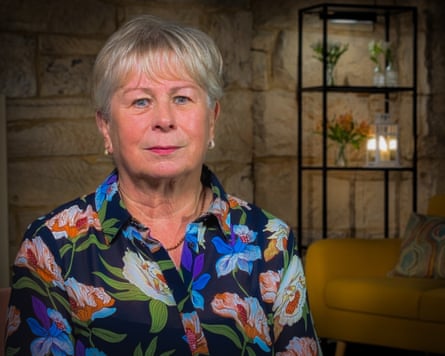
The BBC’s programme focuses on the campaign to outlaw them. We begin with an economical yet utterly devastating first-person account of the shootings from Eileen Harrild, a teacher who was injured by the perpetrator (he is not named here, at the request of the victims’ families). We see archive footage of mothers, fathers and younger siblings arriving at the school gates as daytime television presenters grapple with the news in real time. Then the parents recount how their worst nightmare unfolded; dispatches from a reality so cruel it feels like an alternate universe.
For many people, the only appropriate response to this tragedy was to change the law. A group of brave, industrious women with no direct link to the victims created the Snowdrop petition, fielding an incredibly impressive 705,000 signatures at a time when signing something couldn’t be done on a whim online. Some bereaved parents also lent their weight to the movement, including Mick North and Pam Ross, who summoned the courage to appear on Newsnight to argue the case.
It wasn’t just politicians worried about losing votes that they were up against. There was also a vociferous pro-handgun contingent loudly touting their own rationality (at one point Prince Philip even waded in, saying banning handguns was about as sensible as banning cricket bats). Individual Snowdrop campaigners received hate mail. One shooting advocate – interviewed here – is happy to cast aspersions on them even now.
There were two main arguments against a ban. First, we already had relatively strict gun laws. Second, handguns were rarely misused by their “very normal” owners. What do these incredibly normal people use their handguns for? Shooting as a sport. This documentary suggests the nation’s general opinion was the same then as it would be today: that to prioritise this niche leisure activity over public safety was completely absurd.
The issue was bipartisan from the start, but it was Tony Blair who brought a full ban into effect in 1997, not long after the Tories outlawed all handguns greater than .22 calibre, the type used for Olympic shooting. He is on hand here to explain why he took up the cause as part of a heaving political guest list (Alastair Campbell, Michael Howard and Ann Widdecombe also appear). A fair amount of this programme is spent explaining how a petition became law in quite granular terms, which, while democratically heartening, can feel like a rather dry angle for such an emotive subject.
Focusing so closely on trajectory of the ban means we don’t get much sense of the bigger picture. We aren’t told about its impact – understandably, perhaps, considering how rare such crimes already were. We are given only a brief insight into the cultural context: one vocal supporter of the ban was the Conservative MP David Mellor – another interviewee – who bundled handguns up with the general scourge of Americanisation (“if we import the American way of life into this country, we must expect to suffer the American way of death”). Today, gun crime is one of the main demarcations between UK and US life, yet this was never an American-style argument about liberty and safety – it was a middle-English one about logic and hobby-related inconvenience.
Mulling over cultural differences and the tribulations of grassroots campaigning is certainly less distressing than hearing a bereaved father admit he can no longer remember his daughter’s voice. That, heartbreakingly, is how this documentary ends. The programme-makers know the tremendous pain of losing a child is what we must return to – a tragedy that these determined campaigners have managed to make that little bit less likely in future.