.png) 2 months ago
44
2 months ago
44
The Edinburgh festivals hope to launch a single box office for all the city’s 11 festivals to make it simpler to buy tickets and profit from the “lake” of customer data they hold.
Festival directors hope a universal box office will allow them to increase ticket sales and attract a wealthy corporate sponsor, such as Mastercard, to offset deep cuts in public funding they expect to see in coming years.
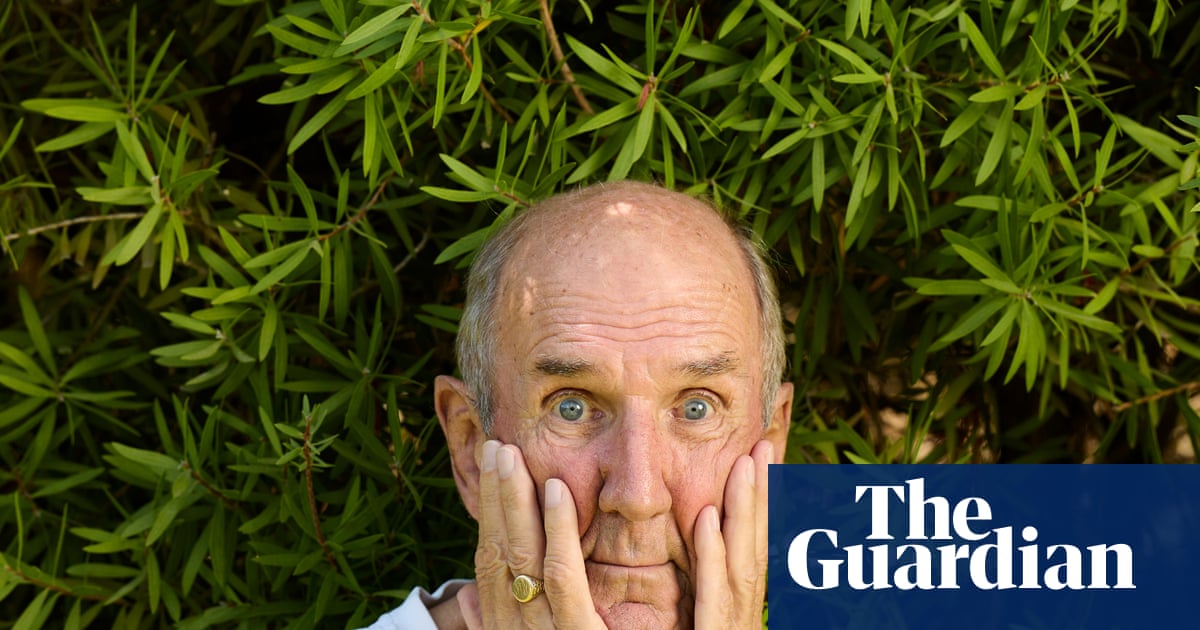
The idea has been under discussion in private for some time, sources have said, but it jumped in prominence when the Succession star Brian Cox said one was desperately needed during an arts sector panel discussion last year.
The festivals involved in the plan, including the main international festival, will soon invite bidders to investigate how to merge the ticketing operations and data of all 11 events, which in 2024 sold nearly 4m tickets in total. Others include the book festival and the film festival.
They believe it could lead to a year-round ticketing app.
But the Edinburgh festival fringe, the city’s largest, has leapt ahead by announcing plans for its own rival app.
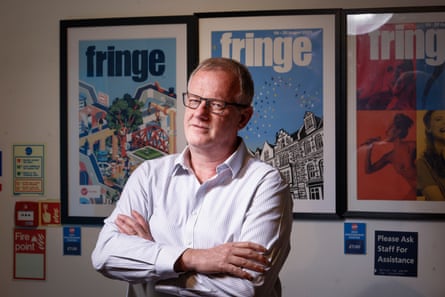
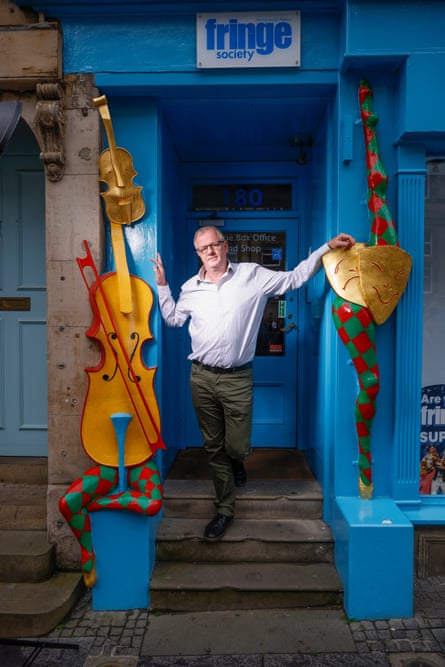
Tony Lankester, the Fringe’s chief executive, told the Guardian the society would be piloting an early beta version of it with 1,000 festival-goers this August, after he designed a prototype at home using the AI code-writing system Claude.
The festivals, already wrestling with rising inflation and staffing costs, as well as a new 5% visitors’ levy on hotel beds in Edinburgh, are also braced for significant subsidy cuts from the Scottish government.
Scottish ministers last year pledged £200m over three years for Scotland’s arts sector after an earlier funding crisis, and in March gave the fringe £1m over two years to develop new digital capabilities.
But ministers now have to save in the region of £5bn in their overall spending by 2030, and cuts are likely to fall hardest on unprotected areas such as culture.
The soaring costs of staying in Edinburgh is also putting people off, reducing ticket sales and cutting the number of producers visiting to find new shows, Lankester said, as he unveiled the programme for this year’s fringe, which runs from 7 to 31 August.
The Post Office found that in June, Edinburgh has the highest hotel costs out of 50 European cities, beating London, Venice, Paris and Barcelona. Its “city costs barometer” said it was the third most expensive European city overall, behind Oslo and Copenhagen.
Lankester and other executives said the Edinburgh festivals had to amalgamate their ticket sales operations to make it far easier to find and book tickets across all the festivals.
He said the festivals were sitting on a vast “data lake” which should be properly exploited to understand better what audiences wanted and how they behaved.
The other festivals agree but believe more technical and commercial information is needed before they join up their ticketing operations and pool customer data.
They are in talks with VisitScotland, the national tourism agency, the government arts body Creative Scotland and Edinburgh council about backing the venture.
“Edinburgh’s festivals are a half-a-billion-pound industry,” said Fran Hegyi, executive director of the international festival, who is backing the larger unified box office project.
“A public partnership where we can grow that to a billion over the next decade is a tantalising prospect and would help grow the Scottish economy at a time when growth is desperately needed.
“At the heart of any new platform must be a single basket. People shouldn’t need to know that there are separate international, book, fringe and film festivals – and certainly shouldn’t have to make multiple transactions to buy tickets. We need to make it easier for people to come to all the festivals.”
Lankester said the fringe’s app would allow ticket buyers to specify what kind of shows or genres they wanted, and using their previous choices, recommend shows for them using an AI-powered algorithm similar to Spotify or Amazon.
Anticipating anxieties from smaller producers or new theatre companies that the app will favour the big venues, he insisted the system would focus on shows, not on venues or larger producers.
“This is not about making the rich richer and the poor poorer,” he said. “Everyone needs a fair crack at it, whether you’re coming on the free-fringe or whether you are performing in a church hall.”
At the same time, the fringe will also release an automated fringe planning guide where festival-goers can ask the algorithm to plot a full diary of events automatically once it knows which shows they want to see.
At present, most festivals have freestanding ticketing portals and publish separate programmes; this year’s A4-sized fringe programme is 416 pages long, nearly 2cm thick and weighs 615g.