.png) 2 months ago
64
2 months ago
64
An “emergency brake” could be put on the number of people coming to the UK from Europe as part of a new youth experience scheme, under terms being offered to Britain by EU negotiators
Britain wants an outright cap, but the EU opposes this on the basis that the scheme is supposed to be a positive one aimed at celebrating and preserving links with the EU.
Keir Starmer’s government agreed to work towards a “youth experience scheme” with the EU in May last year, but the specifics are still being negotiated.
The scheme is part of talks in which the EU hopes to “reset” relations with the UK amid fears negotiations have been foundering before a planned July summit.
The forthcoming talks are viewed in Brussels as the start of a new phase of relations and take place as the UK will also feel knock-on effects from internal EU changes such as a new migration pact among member states from 12 June.
The EU’s pact on migration and asylum – which is aimed at governing flows of migrants across Europe and governs how they will be checked at borders – is expected to have an impact on Channel crossings.
“I think there will be stricter police controls and hopefully better management of the area. If a person pops up in Calais, for example, that person should be sent back to where they entered,” said an EU source.
Under plans for the youth experience scheme, tens of thousands of young British and European citizens would meanwhile be given the right to live and work in each other’s countries.
British ministers are aiming to secure a youth mobility scheme with the EU by the end of 2026.
However, there are significant differences over the scheme, with the British side eager to stop it being viewed as a “migration” scheme. The Home Office and Foreign Office are also understood to be trenchant in their eagerness for a cap.
An EU official said the bloc did not want an upfront cap but was offering “a monitoring system to ensure both sides are equally satisfied with the way the scheme is operating”.
Effectively this would be an emergency brake, so if the number of people arriving from the EU surged, restrictions could theoretically be imposed.
A UK government spokesperson said: “Any final scheme must be time-limited, capped and will be based on our existing youth mobility schemes, which do not include access to home tuition fee status.”
The scheme is seen by the EU as a “strategic endeavour” that has become increasingly important amid recent transatlantic ruptures and global instability.
A senior EU official said: “The strategy is about ensuring that our societies keep linked, understand each other and see each other as part of the same family of nations. This is something that is really needed in these troubled times.
“If Europe has to stand together, it has to feel a common sense of purpose when it comes to international relations and democracy. Ensuring that our young people can travel to each other’s countries, work, study in each other’s countries is an important part of that.”
The British government also faces pressure from its own pro-European backbenchers.
Stella Creasy, the chair of the Labour Movement for Europe, which campaigns for closer UK-EU ties, said: “This is a deal that will bring back freedoms young Brits from all backgrounds lost with Brexit, as well as boosting growth. It’s a win-win, and the government should see it’s purpose of travel, not number of young people, that matters.”
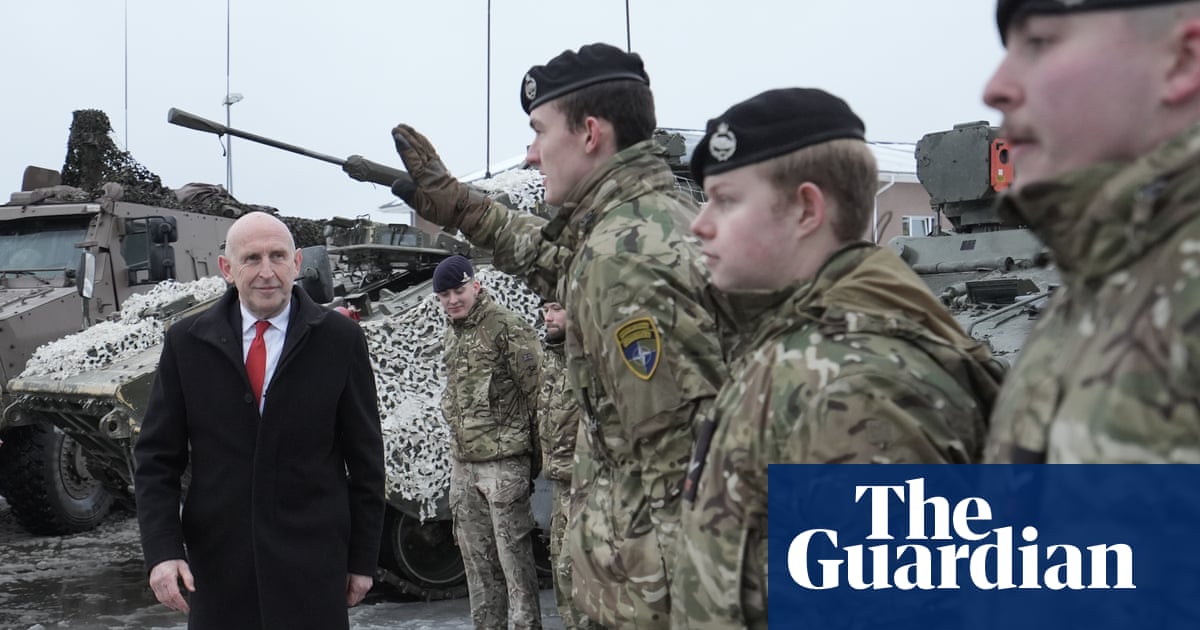
Defence cooperation and migration will also form key parts of the summit. The EU official said: “There’s no doubt we will continue to strengthen the European defence industrial base, with the EU and UK working together.”
They suggested that both sides could “do better” than initiatives including the Security Action for Europe scheme, announced in March last year as part of an EU-wide effort to rearm after Russia’s full-scale invasion of Ukraine.
“It is quite likely that efforts will continue to see how we can work together and with the UK to reinforce our defence industry,” they added.