.png) 2 months ago
54
2 months ago
54
The government has asked its new employment rights watchdog to reduce the regulatory burden on business, it has emerged, a request that worker advocates said risks turning the agency into “a dead duck”.
The Fair Work Agency (FWA), which is being launched on Tuesday, is a cornerstone of Labour’s Employment Rights Act. It will bring together several existing labour enforcement bodies and its responsibilities will include policing the minimum wage, holiday pay and modern slavery.
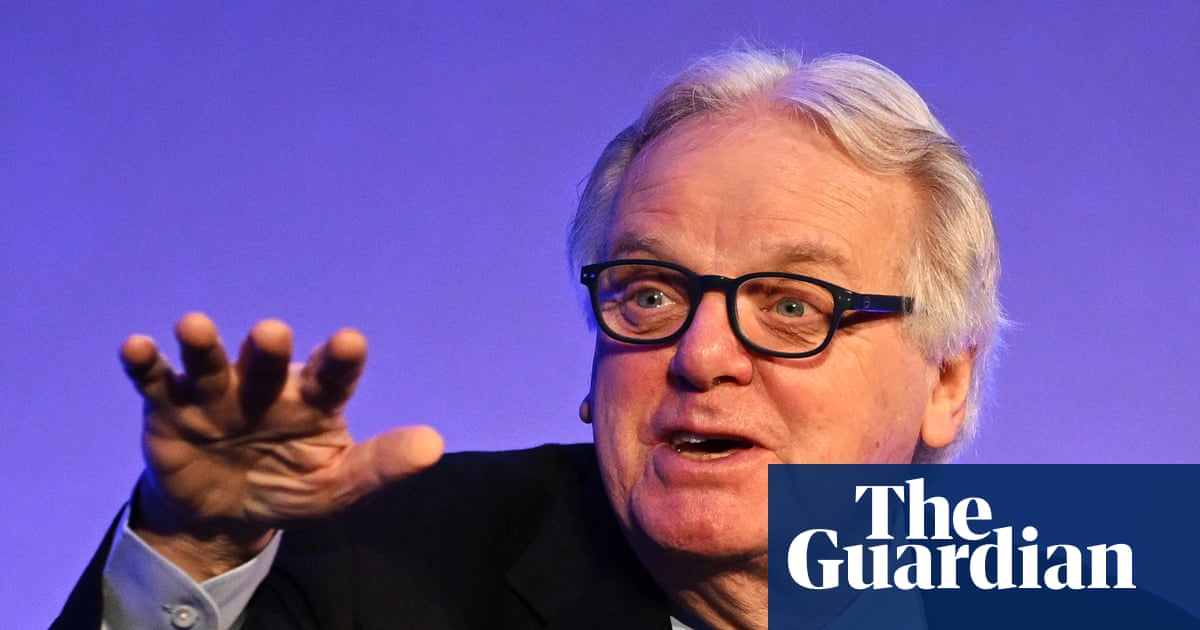
At a recent meeting with civil society groups, Matthew Taylor, its incoming chair, listed the five priorities the Department of Business and Trade had laid out for the FWA in its first year. These included “thought leadership” and “reducing regulatory burdens”.
But experts and trade unions say that, rather than reducing regulation, a more robust approach and greater funding for inspections is needed.
Sharon Graham, the general secretary of Unite, which represents more than 1 million workers, said the priorities showed the agency was “in danger of being a dead duck before it even begins”.
“For too long, workers have borne the brunt of disreputable employers who have had carte blanche,” she said. “The government needs to urgently ensure that the FWA focuses its attention on bringing rogue bosses to heel rather than seeking ways to allow dodgy companies to continue bad behaviour.”
Caroline Robinson, director of the Worker Support Centre, a charity that supports migrant workers, said the recommendations were “deeply concerning”.
“It’s contradictory to introduce a new regulator for the purpose of reducing regulatory burdens. Labour enforcement has been decimated over the past 20 years by successive government cuts,” she said. “The Fair Work Agency is our opportunity to reverse this.”
The UK has among the fewest labour inspectors per worker within Organisation for Economic Co-operation and Development countries, with different estimates putting the scale of unpaid wages in the billions of pounds.
This means employers face “no credible threat of inspection, investigation or enforcement,” said Prof David Whyte, of Queen Mary University.
Whyte will publish a report with the Institute of Employment Rights on Monday with recommendations for the FWA, including adequate funding, unannounced inspections and prosecutions for wrongdoing. The government has yet to announce the budget it will allocate to the FWA.
“It’s fantastically depressing,” said Nick Clark, who previously sat on the board of the government’s agricultural exploitation watchdog, which was then named the Gangmasters Licensing Authority.
He said it was remarkable that none of the government’s priorities, which also include “intelligence and data” and “public awareness and stakeholder engagement”, mentioned improving conditions for workers.
As part of the legislation, an advisory board with representation from business, unions and independent experts has been set up to inform the FWA’s work. They have yet to meet and were not consulted on the government’s priorities. Tuesday’s launch will be followed by a more substantial kick-off in October, it is understood. The first full strategy for the agency will be published in April 2027.
“The message that I’ve heard so far has been that they’re still working on the very basics, that they want to be really consultative and collaborative,” one board member said. “Let’s give them the benefit of the doubt.”
A government spokesperson said: “The new Fair Work Agency will end the current fragmented system of enforcing employment rights, making it easier for workers and victims of exploitation to get the rights they’re entitled to.
“The agency will take tough action against businesses that deliberately flout the law while supporting employers who want to do the right thing and strengthen workers’ rights.”