.png) 2 months ago
67
2 months ago
67
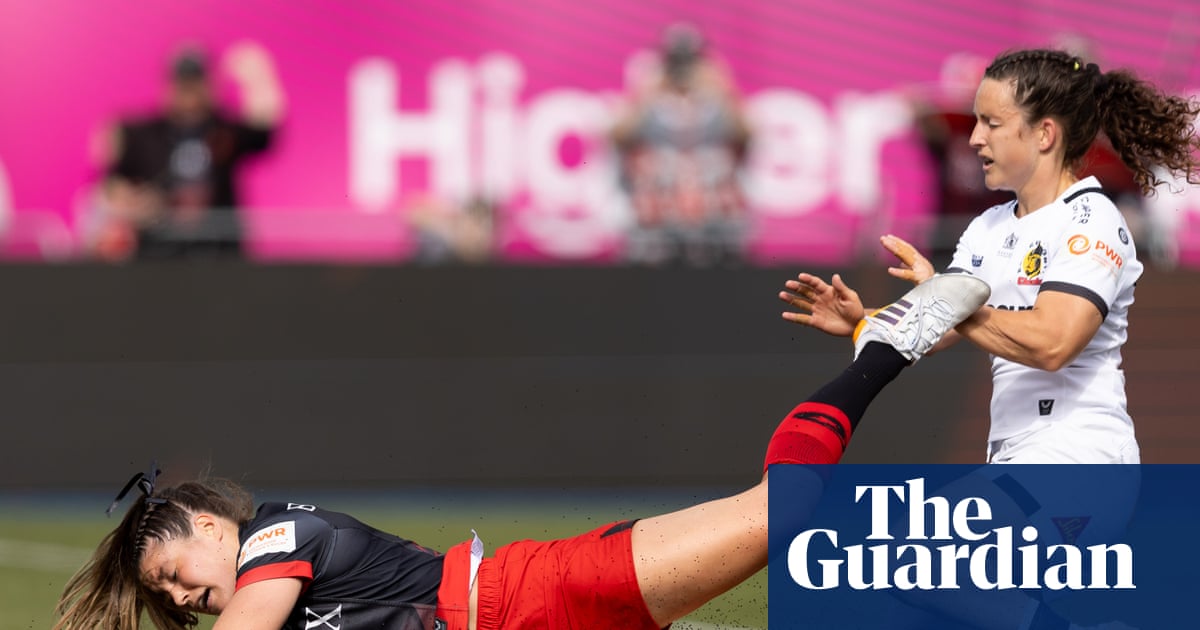
Sunday afternoon in Featherstone. The first shoots of spring are creaking through the skyline and the Railway pub is bustling with rugby league supporters as the town’s pride and joy, Featherstone Rovers, prepare to face Swinton Lions.
Or at least, that is what should have happened last weekend. Instead, streets of this West Yorkshire town built on coal mining were deserted. The Railway, just a few hundred yards from Rovers’ Post Office Road home, was largely empty and the gates of the stadium chained shut.
Sport is often boiled down to the simplicity of winning and losing but at its purest is much more than that. It can provide hope and joy for communities and in towns such as Featherstone, where rugby league is its most famous export, it can shape and dictate the entire mood. Which is why it is so striking that this year, for the first time in more than a century, Featherstone has lost its sporting identity.
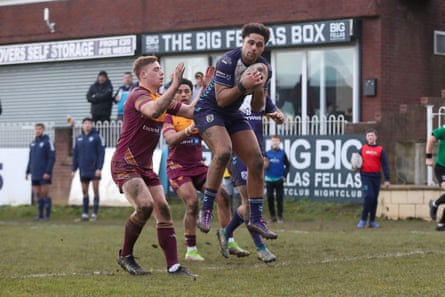
Rovers, Challenge Cup winners in the 1980s, were put in administration at the end of last season with debts totalling almost £3m; insignificant in some sports but in the world of part-time rugby league that number is eye-watering. A bid to rescue the club in time for this year involving members of the previous ownership was then rejected by the Rugby Football League.
That meant for the first time since 1921 there would be no Featherstone club competing in the professional game. You do not need to spend too long in this town, where the population only just breaches 15,000 but around 20% attend matches, to realise just how devastating a blow it has been locally.
“I can’t speak for the rest of the country but I can speak for this area, and sport is in people’s blood,” Jon Trickett, the MP for Normanton and Hemsworth, says. “When you have a small town like this with a well-known rugby club with huge history, it becomes your identity. It’s who you are; Featherstone and Rovers simply go together.
“When the club isn’t playing, it feels as if there is something missing around here. There is a sense of identity and purpose that has been stripped from people.”
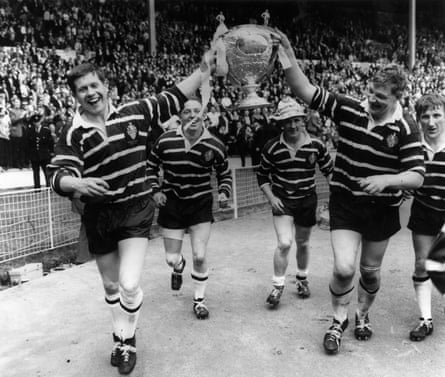
The impact has not just been felt by rugby supporters; footfall in the town has been cut, with one local business owner saying rugby matchdays accounted for at least a third of their annual income.
In an area that ranks among the most income-deprived in the UK, that is devastating. “It does have an economic impact,” Trickett says. “The town already lost its staple industry of mining. When the pits closed down it had a massive impact but this is a double hammer blow.”
The importance of rugby league in the area can be underlined by the efforts to which Featherstone supporters are going in order to ensure there is a return in 2027. Consortiums have expressed an interest in taking the club out of administration, with the Rovers fans’ group True Blue Revival already raising £20,000 to support any new owners.
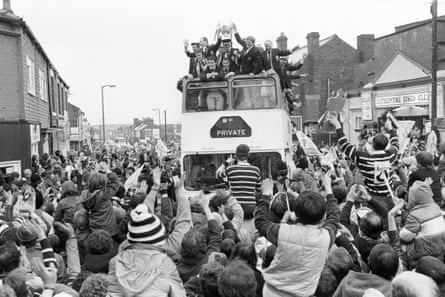
One of those consortiums is being driven by the club’s former head coach, the Hull FC and Hull KR great Paul Cooke. “I make distinct comparisons to where I grew up in east Hull,” he says. “Sundays and rugby games are what binds together communities like these, which are not the most affluent, and it feels like the town has lost its soul.”
Featherstone is a rare case for potential bidders in that there is significant land around the ground owned by the club. That has already led to local councillors warning of potential asset-stripping risks; putting pressure on the administrator and the RFL, who will sanction any new owners’ playing licence, to avoid a repeat of previous mistakes.
Cooke, who went unpaid with his players for months as Featherstone’s crisis came to a head last winter, insists his loyalty is to the town. “What people have now found out is that in situations like these, the greed of prior people who have been involved has come to the forefront and that cannot happen again,” he says.
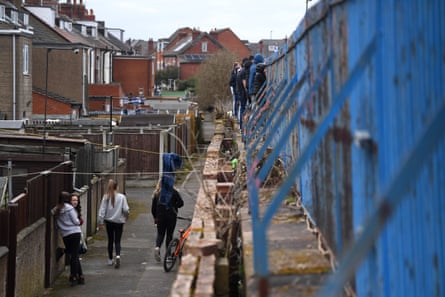
“It would have been easy for me to look for another coaching job but I am invested in Featherstone. It was a big call from the RFL to deny the previous ownership a return when they have perhaps looked the other way before. I’m still here because of the people of this town. There’s effectively nobody financing the town and bringing joy to Sundays. I want to restore that.”
The scramble for ownership will continue through the summer. But, whether it is Cooke’s consortium or another that wins the race, it is clear they have a fight not just to restore the fortunes of a rugby league club – they have a battle to rediscover and restore the very soul and identity of the town.