.png) 2 months ago
62
2 months ago
62
Energy companies have been given the green light to spend £28bn on Great Britain’s gas and electricity grids, raising fears of higher household bills.
The energy watchdog, Ofgem, approved more than £17.8bn of spending plans to upgrade gas transmission and distribution networks in the five years from April 2026.
A further £10.3bn will be used to rewire the nation’s high-voltage electricity network – the biggest expansion of the grid since the 1960s.
The multibillion-pound plans are higher than the £24bn budget proposed by the regulator in the summer and sit within a wider “investment pipeline” of around £90bn to be invested in energy networks over the next five years.
The plans will fund more than 80 projects, including new high-voltage power cables, and upgrades to the existing overhead wires, ahead of the government’s plan to become a green energy superpower by the end of the decade.
The investments, which will be funded through levies on household energy bills, are expected to add £108 a year to network charges by 2031, according to Ofgem, more than the £104 it had originally estimated in July.
Within the increase, £48 will support upgrades to the gas network and £60 will be invested in the electricity grid.
Ofgem said that the investment would save £80 from bills compared with not expanding the grid as savings will be made from cutting money spent paying windfarms to shut down when the local grid is overloaded with power.
Overall, the added net costs are “equivalent to bills being higher by about £30 a year by 2031, or around £2.50 per month”.
Ofgem has been reviewing the plans put forward by energy network companies - electricity transmission owners, National Gas and gas distribution companies - since the start of the year and has made reductions of more than £4.5 billion compared with the initial £33 billion plans submitted.
Jonathan Brearley, the chief executive of Ofgem, said: “The funding announced today will keep Britain’s energy network among the safest, most secure and resilient in the world.
“Ofgem will hold network companies accountable for delivering on time and on budget … We’ve built strong consumer protections into these contracts, meaning funds will only be released when needed and clawed back if not used. Households and businesses must get value for money, and we will ensure they do.”
The Ofgem price cap will increase by 0.2% in the three months to March, equivalent to increasing the typical annual dual-fuel energy bill by £3 to £1,758.
after newsletter promotion
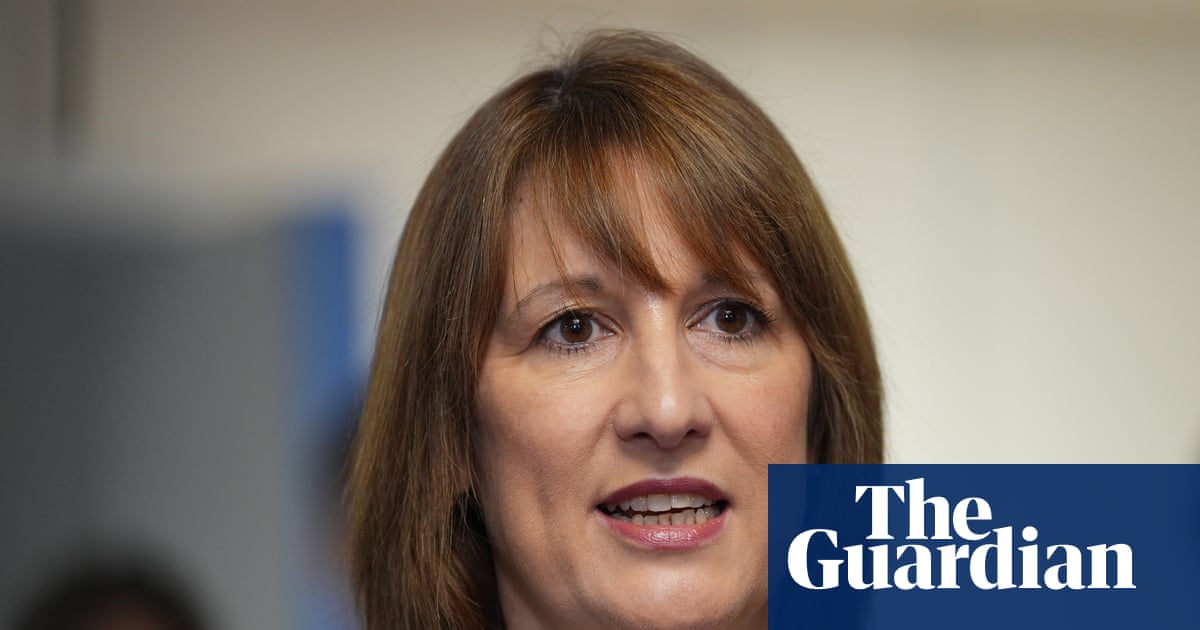
Last week, the chancellor, Rachel Reeves, said the government would cut £154 from energy bills in Great Britain on average from April as a result of the ending of the energy company obligation scheme, which is funded through bills, and a decrease in the amount that households contribute to the renewables obligation scheme. Energy suppliers have been urged to ensure the savings are passed on to households.
The Department for Energy Security and Net Zero (DESNZ) said spending to improve energy networks was “essential” and stressed the government was offering support with costs by cutting £150 off power bills next April.
A DESNZ spokesperson said: “Upgrading our gas and electricity networks after years of underinvestment is essential to keep the lights on and ensure energy security for our country.”
Scottish and Southern Electricity Networks, which is owned by SSE, said: “The investment it delivers will help reduce reliance on imported energy from overseas, remove grid bottlenecks and strengthen energy security, as well as acting as a major catalyst for economic growth, jobs and supply chain investments across the UK to unlock the country’s full potential.”
National Grid, which runs much of Britain’s electricity network, said it welcomed Ofgem’s “recognition of the need for significant investment into the electricity transmission sector” and would review whether the package approved “delivers an overall framework that is both investable and workable”.