.png) 1 month ago
50
1 month ago
50
What do we do about a country in which the richest 56 people in the UK have as much wealth as the poorest 27 million? What do we do about a world that has just witnessed the birth of its first trillionaire? What do we do about an era in which you can interview the owner of a telecoms company in his multi-million-pound Hyde Park apartment and a frontline ambulance worker who is having to live in his van, parked on a suburban Bristol street?
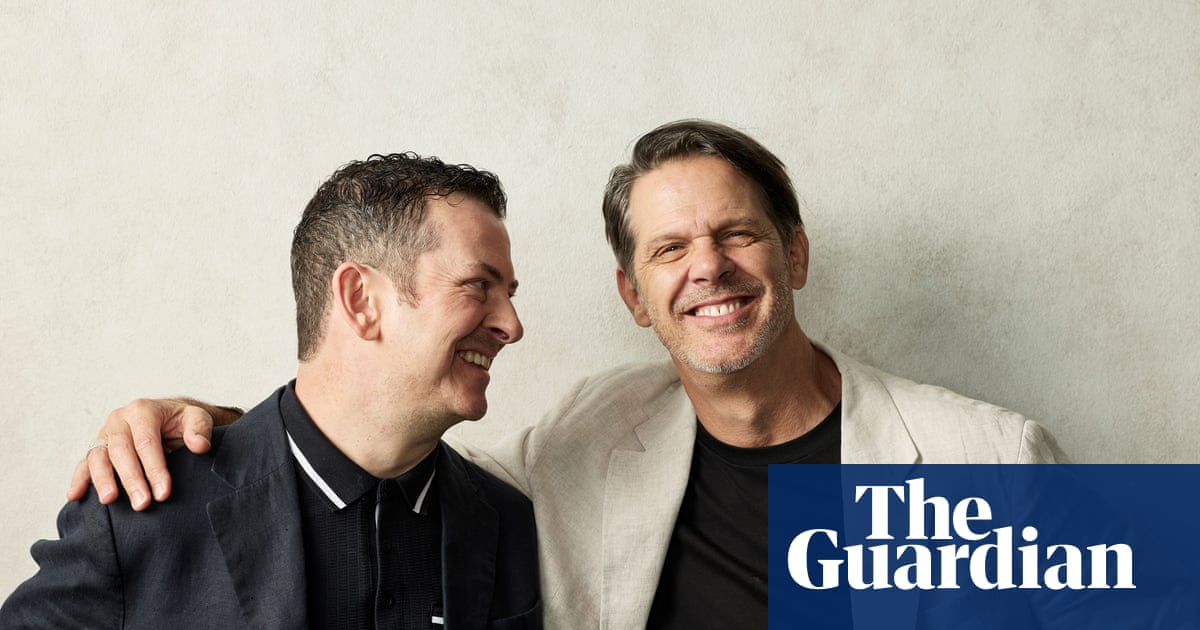
Gary Stevenson knows what to do. He is evangelical about what to do. Gary was vouchsafed knowledge of exactly what to do after making a fortune in the city betting against an early economic recovery for the country after the 2011 financial and ongoing Eurozone crises. The UK needs a wealth tax – he recommends 2% on everything anyone owns above £10m. This would bring in around £24bn a year that could be spent on the NHS, affordable housing or (Gary’s preferred option because it would represent a more direct redistribution of the wealth those 56 and their wannabes have hoarded) tax cuts for “ordinary people”.
Stevenson has campaigned vociferously for such a tax since he left the city, conscience-stricken by a career based on benefiting from the increasing misery of the demographic within which he was brought up as a working-class boy in the late 80s and early 90s in Ilford. His conversion is recounted in his bestselling 2024 autobiography The Trading Game and he now spreads the word via his YouTube channel, other media appearances and this hour-long documentary How to Get Filthy Rich With Gary Stevenson.
A wealth tax is a strong, simple and appealing idea (I’m assuming I do not have too many of the 56 in my audience), a way of narrowing what most of us surely feel is an immoral and unsustainable gap between the few haves and the millions upon millions of have-nots. And Stevenson’s backstory and the origins of Garynomics are almost equally so. However, before we get to an interrogation of his great idea, there are two major obstacles.
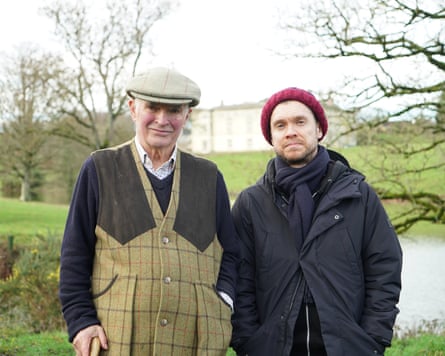
The first is that Stevenson is not an appealing presenter. He has an adolescent bullishness about him that comes across badly on screen, raising a sort of fight-or-flight response in the viewer instead of encouraging engagement. The strident idealism that infuses his speech and style is hard enough to take from the young, where it at least belongs, but it sits less well on a 39-year-old – adults should have the confidence, the experience and the wisdom that offers more.
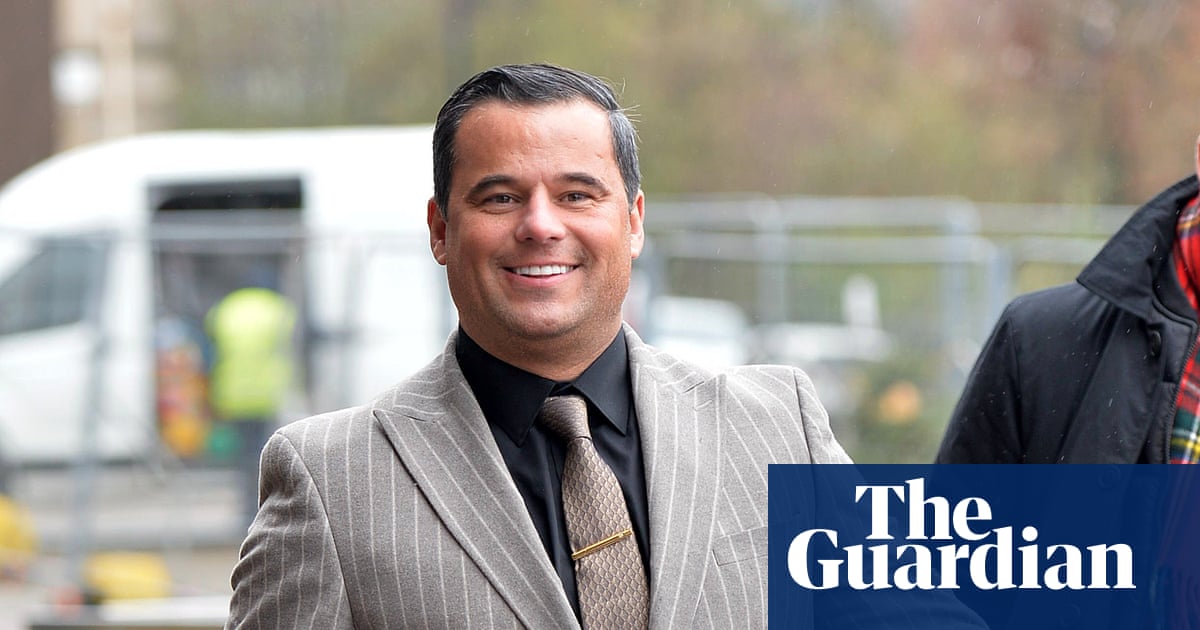
The second is that he is outdone and undone by almost all of his interviewees. Telecoms mogul Bassim Haidar, who was in the headlines last year for switching allegiance and donations from the Conservative party to Reform, does it through politeness. He invites Stevenson to address what he would do when his proposed tax caused investors like him to pull all their money out of the UK and find somewhere friendlier instead. Twenty-eighth generation landowner Francis Fulford (yes, of The F**king Fulfords and Life is Toff fame, but here in less eccentric mode) does it with robust jocularity (“The values you are basing your figures on will collapse! It’s Noddyland – it won’t work”) and inquiries as to how asset-rich but income-poor rich people like him will pay. Andrew Henderson of Nomad Capitalist, which advises clients on how to minimise their tax liabilities by moving countries, does it through sheer belligerence (“I don’t think life is fair and I think that fundamentally upsets people who talk about inequality because you feel entitled to rich people’s money”). Tax lawyer and adviser Dan Neidle deals the final blow towards the end of the programme by summing up the underlying problem of everything that has gone before. “You are unable,” he tells Stevenson coolly but firmly, “to separate your emotional reaction to inequality from a rational assessment of the best tools for it.”
This, really, is where a truly amazing documentary could have begun. Instead of Stevenson being left floundering, without convincing comebacks to any of them (was he not briefed? Was he paralysed in front of the camera? Has he simply spent too much time preaching to the choir and forgotten what it’s like to be challenged? Or is Neidle right in his frustrated pronouncement that “There’s no evidence you’ve ever thought about it!”), we could have had an hour of him being led through wider issues by a genuine expert and letting us all learn something along the way. This way was just a faintly embarrassing waste of time.