.png) 3 months ago
69
3 months ago
69
The UK’s spy chiefs are accustomed to being listened to at the highest levels of government. Prime ministers and cabinets take notice when the joint intelligence committee (JIC), which directs MI5 and MI6, warns of threats to national security. Except, it seems, when it comes to the future of the planet.
Last year the JIC produced a hard-hitting report which, the Guardian revealed, found the collapse of globally important ecosystems around the world – including the potential shift of the Amazon from rainforest to savannah, the demise of coral reefs, and the loss of glaciers – would threaten the UK’s national security, through food shortages at home and the potential for conflict overseas.
In normal times, this kind of stark warning would spur a swift response from cabinet. Actions to protect and restore such vital ecosystems would follow. Instead, the UK government’s response has been to first suppress the report and then, rather than increase protection for ecosystems, make drastic cuts to the budgets for helping developing countries tackle nature loss and climate breakdown.
But first, this week’s most important reads.
Essential reads
-
Dirty water, death and decline: the inside story of a privatisation scandal
-
Global sea levels have been underestimated due to poor modelling, research suggests
-
‘I live in constant fear’: surge in giant sinkholes threatens Turkey’s farmers
In focus
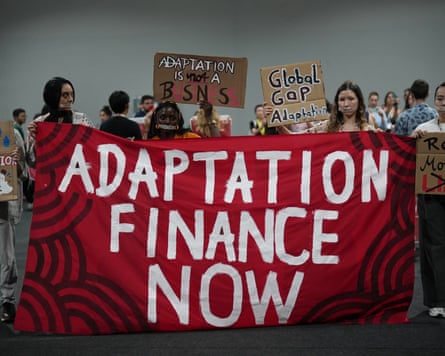
When the UK’s five-year pledge of £11.6bn in international climate finance runs out at the end of this month, the next commitment is to be more than a fifth lower – only £9bn, we recently revealed. Within the current and planned spending I also learned that key programmes are to be shortened, reduced in scope or threatened with closure. For instance, the Biodiverse Landscapes Fund – which would help some of the same areas highlighted by the JIC – is being reduced from covering six areas to just two. The Blue Planet Fund – set up after David Attenborough’s TV series spotlighting plastic pollution and overfishing raised public concern – is also under threat. The earmark of spending £3bn of the climate finance total on nature projects is also likely to be lost in the next spending round.
All of this suggests that the warnings of the JIC report (pdf) – which apply to all developed countries, not just the UK – are not being taken on board. Not much more than a year ago, at the Cop29 summit in Azerbaijan in 2024, all developed countries agreed to triple their international climate finance goal, from $100bn a year to $300bn a year by 2035.
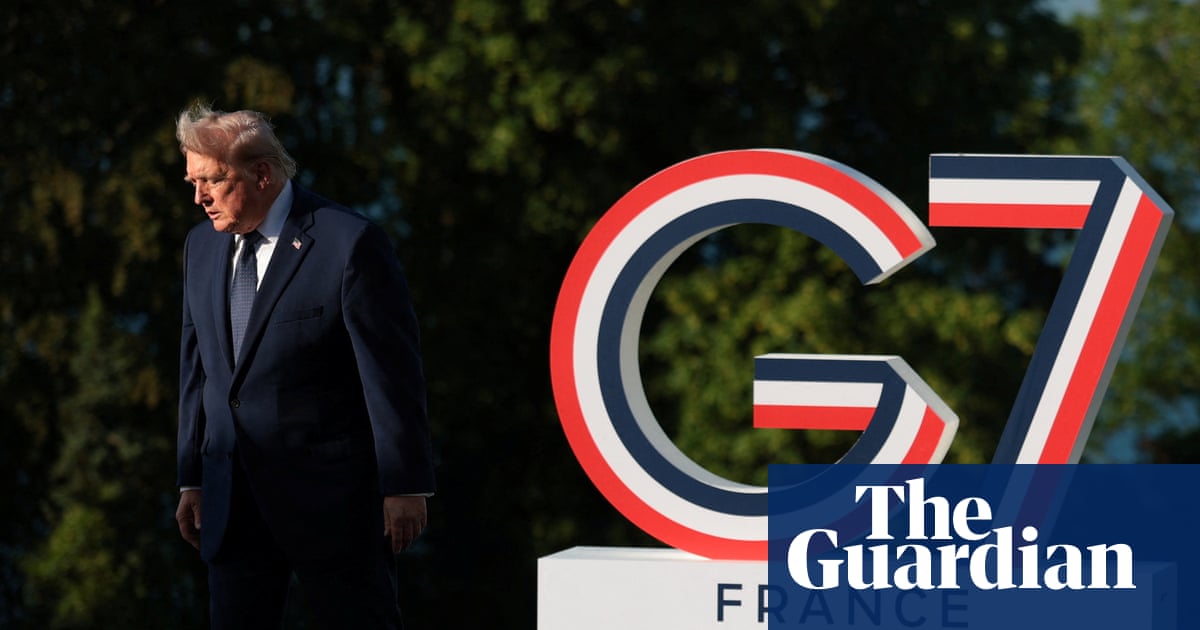
The UK is not alone in trying to downgrade commitments. Donald Trump took an axe to overseas aid as one of his first actions on retaking power, and has withdrawn from the Paris climate agreement and its parent treaty. The US was always rather meagre in its climate finance allocations, but its $11bn a year was a cornerstone other countries could build on. Germany and New Zealand also plan to slash climate finance budgets, and other countries are considering tighter spending.
More money is needed – raising it from taxing polluters would be a potential solution – and transparency over climate finance spending is also key. It was extremely difficult for the Guardian, and for civil society groups, to work out where and how the UK’s international climate finance was being spent, and our investigation of international climate finance last year revealed similar opacity in other countries’ spending.
Other investigations have also uncovered problems. Two years ago, Reuters reported abuses such as supposed climate finance funds being diverted to ice-cream shops. These abuses tended to account for only minor amounts of money amid the billions involved around the world, but nevertheless do not give the impression of money being well spent.
Attempts under the Paris agreement to shine more light on climate finance are more feeble than they should be. Biennial transparency reports, enforced by the UN, are supposed to provide a common framework, but they supply little of the real detail on spending that we need and deserve – in part because they have to be accepted by autocratic states that bristle at the idea of accountability.
The World Bank will come under further pressure from the US to downsize or at least downplay its role in climate finance. Other major international funds are up for replenishment. With the world in an increasingly perilous state, now is not the time to skimp on climate finance – and letting sunlight in on how it is spent is not only a good corrective, but could prove popular, as voters tend to support these kinds of projects, especially when it is explained to them what they achieve, including greater national security.
As governments quietly scale back climate pledges, our journalists are digging into the data to hold them to account. With the support of our readers we are able to reveal the gap between government rhetoric and reality. If you value our dedication to truthful, fearless reporting, please consider supporting us today with a one time contribution or small monthly donation.
Read more: