.png) 9 hours ago
5
9 hours ago
5
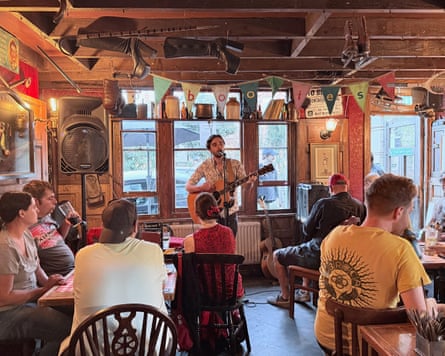
In a lively pub in Oxford this week, Isaac Neilson picked up his guitar and performed live for the 231st day in a row.
The singer-songwriter’s performance at the Old Bookbinders is part of a marathon effort to play a gig every day this year. The challenge has seen him put nearly 20,000 miles on the clock of his Peugeot 208 and cost him the best part of his life savings. “I was in a position where I could maybe put a deposit on a house or I could do this crazy experiment,” says Neilson, 26. “I chose to go all in on the music.”
Neilson plays punchy indie rock (albeit acoustically on these dates), and describes the mission as “insanely ballsy, borderline insane” – but the kind of big play he feels he needs to break into an industry where “nepotism and other invisible barriers” shut out many independent and working-class artists.
Over a drink before his show, Neilson says he is determined to make it as a solo artist while also highlighting the UK’s grassroots music scene and testing the “old industry myth that if you work really hard then you can get somewhere”.
So far, he has performed in more than 60 UK towns and cities including 28 gigs in his native Derby. He performed for more than 500 people supporting Cast in Barnsley and, unsurprisingly, completely empty rooms during the World Cup. He thinks he has gone through “two major mental breakdowns and six minor ones” but says his voice has “never been better”.
Often performing more than once a day, he is on course to log more than 400 performances by the end of 2026, an undertaking that takes a daily average of three hours on the road. He is often accompanied by his girlfriend, Ashlea, who manages his social media, while a manager came on board after learning about his goal.
Neilson has been booking gigs through relationships with promoters, and by scouring Facebook and Instagram for venues with stage time. He has set just two rules. He must perform every single day, and “no busking”. A promoter in Georgia in the US has promised to fly him out should he maintain his streak until September. “Christmas Day is going to be difficult but I have a plan,” he says.
Neilson describes himself as “frugal” and knows what he is doing makes little financial sense. He went into the year with just over £30,000 in savings and expects to end it with about £3,000. He estimates it is costing him about £400 a week to keep going, with fuel as his biggest expense. Friends’ sofas and long drives home help save on accommodation costs.
Breaking new artists is an increasingly difficult proposition in a music industry where executives value social media followers and streaming numbers over untapped talent at open mic nights.
There was outrage last month when the longstanding BBC Introducing stage at Reading and Leeds festivals was axed. Organiser Festival Republic promised to offer a “much wider pool of emerging talent”, with performances from the children of David Beckham and Liam Gallagher.
Neilson is proud of his “anti-algorithmic, anti-AI approach”, though he is also pleased that his streaming figures and follower numbers – both between 3,000 and 4,000 – have increased this year. “Virality is overrated,” he says. “People are yearning for community and looking for a connection. Numbers on a screen don’t represent the impact you can make in the world if you actually go out and meet people. My marketing budget is the time I spend in a room with you.”
Neilson’s mission wouldn’t be possible without the pubs, clubs and small venues in which he has performed, sites also facing their own challenges. Recently published figures by the British Beer and Pub Association (BBPA) suggest British pubs are in trouble. A total of 161, or two a day, closed in the first quarter of 2026 amid spiralling costs.
“Hospitality is an experience economy now,” says Bruno King of the Temple pub in Doncaster, where Neilson performed in May. “You have to offer something different and we have live music three times a week. It’s one of the most popular aspects of our venue. People really do appreciate being able to support grassroots musicians.”
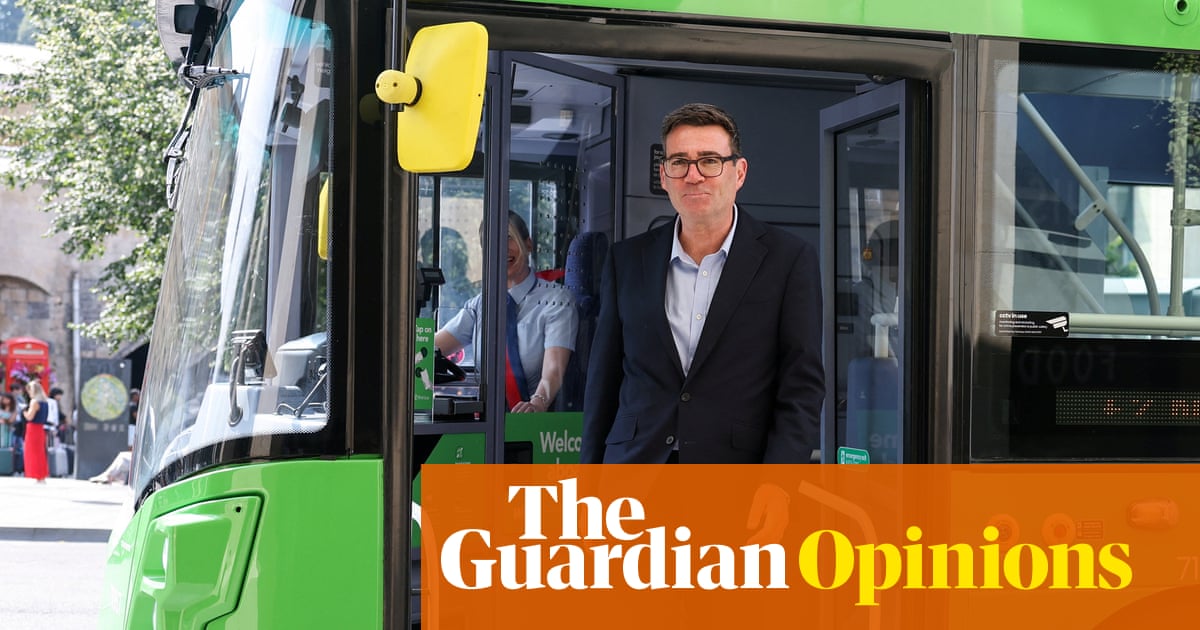
Conversely, last year the number of grassroots music venues in the UK showed the lowest rate of annual decline since 2018, suggesting that the sector is stabilising five years on from the pandemic. Andy Burnham’s recent announcement that pubs, clubs and live music venues will receive a 20% cut to their business rates bills next year was further welcome news.
Live Trust CEO Jon Collins says the positive figures are “testimony to the commitment and passion of the people who are running the venues” but warns that challenges are still there. “It’s more expensive than ever to put shows on. Customers are still facing cost of living challenges while promoters having a bad night can lose a couple of thousand pounds.”
Collins praises Neilson’s commitment and shares his belief that new talent can still be discovered on stage. “Nobody arrives fully formed on [Glastonbury’s] Pyramid stage,” he says. “You learn your trade, you find your voice and you build your audience from those earliest gigs onwards.”
In Oxford, Neilson earns big cheers from a packed room of early evening drinkers, most of whom he manages to add to his ever-growing mailing list. After he steps off stage he is relaxed about where his undertaking will take him. “Regardless of the outcome of this year, I can die knowing I threw everything at it,” he says. And with that he is off to his next gig.