.png) 3 months ago
71
3 months ago
71
Sirens warning of Iranian missiles blare out so frequently that Joycee Pelayo, a Filipino living near to Tel Aviv, doesn’t leave the house any more. Each time an alert sounds, she rushes to help the older man she cares for, supporting him into a wheelchair, then down the steps into a nearby shelter.
“Last night, there were three alerts. We received it at about 2am, in the middle of the night, and then 3am, and then 4am,” says Pelayo.
She is among 2.4 million Filipinos living across the Middle East, who moved in pursuit of higher wages and a chance to give a better life to families back home, but now find themselves living with a daily barrage of drone and missile strikes.
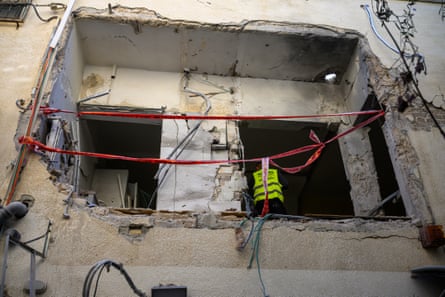
The war that has erupted between the US, Israel and Iran, engulfing the region, has already proved deadly to Filipinos workers abroad. On 28 February, 32-year-old Mary Ann De Vera, a Filipino working as a carer, became the first casualty of the conflict in Israel. She was killed in Tel Aviv after being hit by shrapnel while escorting her employer, an older woman, to a shelter. Her employer survived.
Migrant workers have repeatedly found themselves in the frontlines of recent conflict in Israel. Thai nationals, who help power Israel’s agricultural industry, accounted for the highest number foreign victims of the Hamas attacks in October 2023. At least 47 Thais were killed, while 28 Thai hostages were eventually released. Four Filipinos were also killed in the Hamas attack.
The Middle East is one of the main destinations for Filipinos who work abroad, and the salaries offered in the region – in jobs ranging from domestic work and healthcare, to construction and engineering – can be many times higher those available back home. In the Philippines, those who go abroad to work are praised by politicians as modern day heroes, because of the tens of billions of dollars they remit home every year.
But such work comes at a high personal cost. They endure long periods away from children and partners, and can be vulnerable to abuse and mistreatment, especially in countries with a kafala (sponsorship) system, where workers are heavily dependent on their employers.
Over recent years, pressures have increased pressures further, with workers facing instability through the pandemic, and, for the 31,000 Filipinos based in Israel, repeated bouts of conflict.
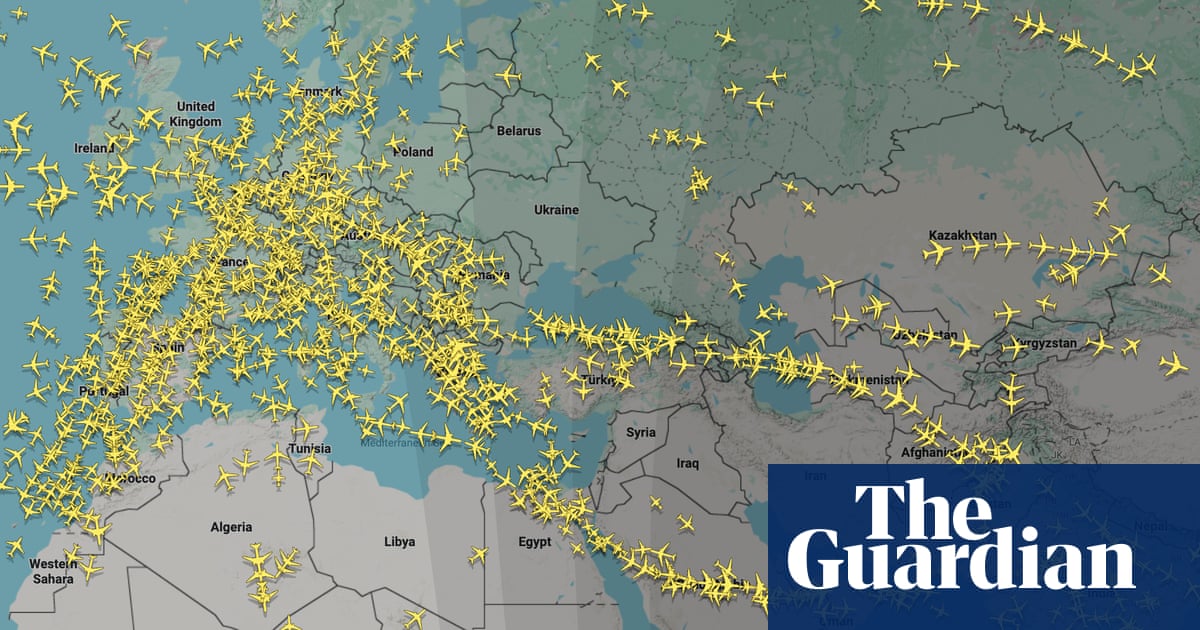
Some are now weighing up whether to try to return home – questioning if the crisis could intensify further, and how relatives who rely upon their salaries would manage if they did return. However airspace closures and restrictions mean those who want to go home have very limited options.
Robert Laurince Ramil, moved to Qatar seven months ago to work in the mechanical department of a gas plant. Of the six men in his dorm room, four of them, including Ramil, want to leave. “We can find work anywhere, but your safety and life are more important,” he says.
Staff are staying in their dormitories 24/7, and leaving only to eat at an on-site canteen, he says. He spends his time following news updates and speaking to family members, including his wife and two sons, back home. The daily blasts are so loud the floor shakes. Work for now has been cancelled, though the workers are still being paid.
Others though say they feel safe. Salhee Enriquez, 48, a carer in Tel Aviv, says life has continued as normal. “Every establishment has their own bomb shelter,” she says, adding that after years of conflict, people have become used to the situation.
She cares for a woman with dementia, but was told by the woman’s daughter to prioritise her own safety in the event of a siren. “She said, you have a family, they are waiting for you, you are young, so go and save your life first.”
Enriquez’s family in the Philippines calls her constantly, waking her in the night to check she is OK, and asking her to return. She is a single parent who moved abroad to support her daughter. “If I go home, we don’t have enough money to provide for us,” she says.
Besides, she tells relatives, the airport is closed.
Campaigners in the Philippines have frequently called on the government to create better job opportunities at home, so that people aren’t forced to go overseas.
Pelayo’s daughter was only two years old when she moved away, but in Israel she earns 10 times more than the pay she received in her past job. High air fares and fears about leaving her employer in the lurch, meant six years passed before she was able to fly home for a holiday to see her daughter again.
“Of course I want to go home and be with my family,” adds Pelayo. “But there is no job that will [match] my salary here. It’s a big difference.”
“My daughter now is asking me – because they heard about what’s happening, they saw the news in the Philippines – she’s asking me mama why you don’t go home,” says Pelayo. “[I asked her] pray for me.”