.png) 6 hours ago
7
6 hours ago
7
We asked students, and recent graduates, to tell us about the biggest financial shock they had when they started university, and what advice they had for freshers.
George Gribben, third year, University of Brighton

Biggest shock
The price of public transport is ridiculous. I pay the same price back home in Switzerland, but the trains and buses are actually on time – I want to visit my best friend, who goes to university in Exeter, but it’s £90 to get there.
Advice
Get into cycling: buying a secondhand bike is cheaper in the long run than all of the bus and train tickets. And try to befriend people who have cars.
Elodie Clements, master’s, LSE
Biggest shock
Moving to London from a rural part of West Yorkshire I knew it was very expensive, but I didn’t realise just how big the margin between spending at home, versus at university, would be until I was doing my weekly shop and getting the tube.
Advice
Track your spending weekly as well as monthly. It’s easiest to do this by opening another bank account on top of whatever your student account is, and transferring a weekly allowance into it. I used Monzo. If I had any money left over from the week before, I’d transfer it into my savings account – giving me a bit extra at the end of term if I ran out of money, that could gain interest in the meantime.
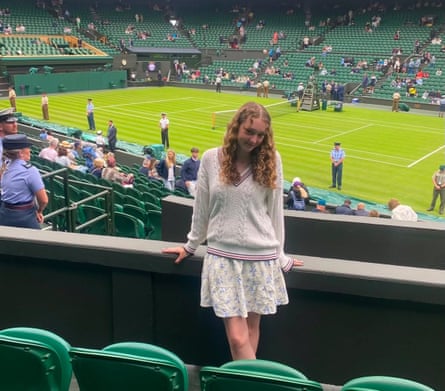
Charlotte Farrow, third year, University of Brighton
Biggest shock
The rent in the second year. I lived in cheaper halls in the first year and left sorting my second-year accommodation to the last minute. The quality of my house was poor – mould, leaks and a faulty washing machine. It was £700 a month, without bills. It definitely gave me a reality check.
Advice
There’s no harm in being proactive: you’ll know people looking for houses as early as the November before. But from experience you can still find good deals later on. Just ensure you know who you want to live with first – and check for mould.
Jess Mallaghan, 2026 graduate, Loughborough University

Biggest shock
How many people received an allowance, or financial support, from their parents. I went to university in the Midlands, so the cost of living was not too bad, but a lot of the more sheltered students really struggled as they had never had to budget or cook before.
Advice
Split your student finance by month. Allocate a certain amount every month. If you can, have a small reserve. You will need more in the first month or two. I made the mistake of not worrying about money during freshers’ week and, by January, I was struggling.
Mathonwy Akuwimi, third year, University of Leicester
Biggest shock
The day-to-day cost of maintaining a healthy balanced diet. I realised how expensive everyday essentials were becoming, and how costly it can be just to simply eat well.
Advice
Budget carefully from the start, and shop at places such as Aldi or Lidl to help keep costs under control.
Farryn Stock, graduate, University for the Creative Arts

Biggest shock
The equipment and software they expected everyone to pay for. Before the course, they told us we would need Adobe software downloaded. They also suggested we got an Apple Mac as it was easier to use for creative courses. I hadn’t even written my first article before forking out a grand.
Advice
Something that really helped me was a NatWest student account. They offer an interest-free overdraft, perfect if you’re ever in a tight spot one month.
Charlotte Smith, 2026 graduate, University of Sheffield

Biggest shock
Early on in my degree, I opened an overdraft as a safety net for the financial struggles I had encountered. I was shocked at how easy and common it is to slip into the negatives. It got to a point where I used to avoid checking my balance because I feared how close I was to maxxing my funds out.
Advice
Invest some time in creating a budget tracker that works for you – and refrain from offering to buy a round with money that you may need to pay the bills.