.png) 1 month ago
46
1 month ago
46
Labour must stop “simply writing a cheque” for health and disability benefit claimants and will provide more job support instead, the work and pensions secretary has said.
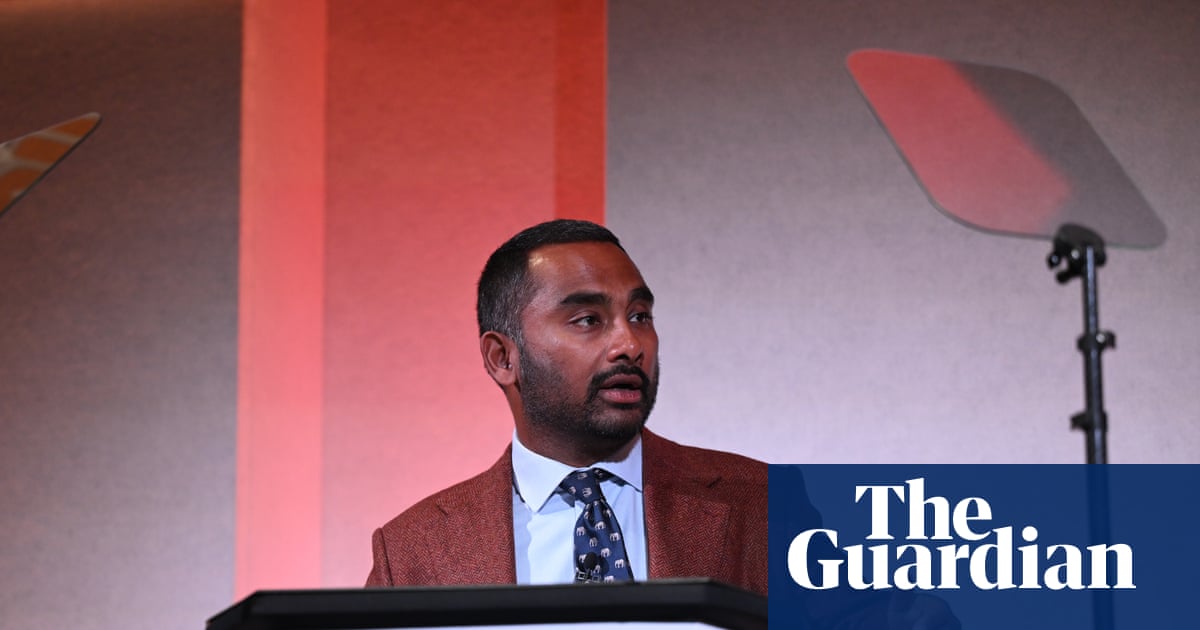
Pat McFadden said the government was preparing to launch a renewed effort at welfare reform with a focus on encouraging more people with health conditions to get into work and off benefits.
“I don’t believe government fulfils its responsibilities simply by writing a cheque. I think we owe people more than that,” he told the Guardian.
“Of course, for people who can never work, the system must always be there for them, and it always should be. But for those who could work, or could change their situation, then we’ve got to help them do that.”
On a visit to a jobcentre in south London, McFadden signalled that welfare reform could form the backbone of Labour’s response to two landmark government-backed reports.
Ministers are awaiting the final recommendations from Alan Milburn’s report into youth worklessness and Stephen Timms’s review of disability benefits. However, both have already highlighted deep-rooted problems with the welfare system and urged the government to take action.
In its interim report published last week, the Timms review concluded that the personal independence payment (Pip), claimed by nearly 4 million people in England and Wales, was “not working” and suggested bold and radical proposals were needed to overhaul it.
In late May the first phase of the Milburn review urged a “whole system reset” involving welfare, schools, and employers to tackle a big increase in the number of young people out of work or education to more than a million.
McFadden, who commissioned both reviews, said work was under way on the government response in anticipation of the final reports this autumn. “Even before they’ve reported, I’m already speaking to the Department for Education [and] the Department for Health. We’re going to have to respond to this as a government.
“It’s my job to put together a plan, a proposal, [that] changes the question of the welfare state from simply asking, ‘what benefits are you entitled to?’, to asking, ‘how can we help you live the fullest life?’”
McFadden has previously hinted that Labour could stage a fresh attempt at overhauling the welfare system after the government was forced into a humiliating partial U-turn to avoid a backbench rebellion over a £5bn package of cuts.
Ministers are grappling with tight constraints on the public finances, including a rising welfare bill amid spiralling health-related benefit caseloads, as well as growing pressures to spend on defence.
Questions are mounting about how Labour plans to respond before the expected arrival of Andy Burnham as prime minister next week, including about the makeup of the Makerfield MP’s cabinet.
after newsletter promotion
McFadden has been floated by some Labour MPs as a candidate to be chancellor, who suggest that he should be picked over Ed Miliband as a safe pair of hands amid jitters in the financial markets. Others are calling for a more radical shift to help Labour overturn dismal opinion poll ratings, with time running out before the next general election.
Suggesting that he was focused on his current job, the work and pensions secretary said welfare reform would still be a priority for Burnham. The prime minister-in-waiting has also signalled a desire to tackle the issue.
“This is an agenda for all seasons,” McFadden said. “Because the Labour party should always believe in opportunity and work.”
The news comes as the government announced that it was now supporting 100,000 people on the highest level of health-related benefits – limited capability for work and work-related activity – through its Pathways to Work scheme, which provides no-strings attached support for claimants to help them gain more confidence to engage in the jobs market.
Meeting work coaches and people with health conditions who had been supported by the scheme at Kennington jobcentre, McFadden said the programme showed that Labour needed to approach welfare reform by offering people more employment support.
“You have to invest in the support,” he said. “In the past, people have been signed off [on benefits] and written off. That has – as we’ve heard from this morning’s group – often led to people feeling isolated, depressed, their condition becoming worse, not better.”