.png) 2 months ago
63
2 months ago
63
More than 200 leading cultural figures have come together to call for the release of Marwan Barghouti, the jailed Palestinian leader seen as capable of uniting factions and bringing the best hope to the stalled mission of creating a Palestinian state.
The prestigious and diverse group calling for his release in an open letter includes a variety of prominent names, including the writers Margaret Atwood, Philip Pullman, Zadie Smith and Annie Ernaux; actors Sir Ian McKellen, Benedict Cumberbatch, Tilda Swinton, Josh O’Connor and Mark Ruffalo, and the broadcaster and former footballer Gary Lineker.
It also includes the musicians Sting, Paul Simon, Brian Eno and Annie Lennox, as well as actor and presenter Stephen Fry and the British cookery writer and presenter Delia Smith. Others on the list are director Sir Richard Eyre, artist Ai Weiwei, and billionaire entrepreneur Sir Richard Branson.
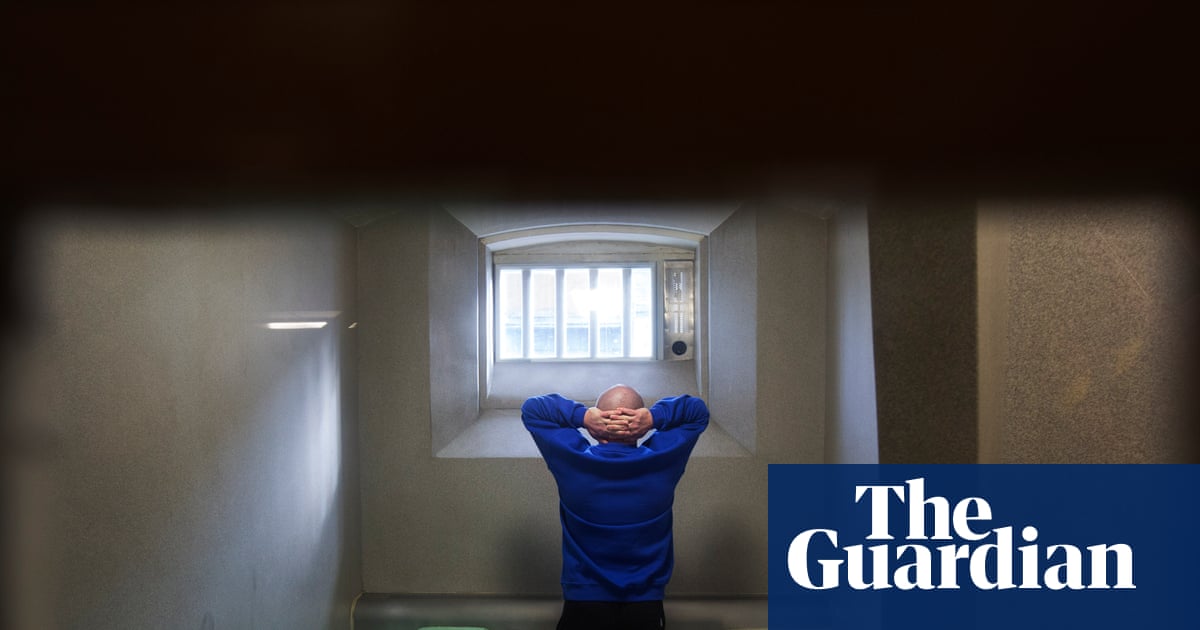
Barghouti, 66, has spent 23 years in prison after what legal experts described as a flawed trial. An elected parliamentarian at the time of his arrest, he remains the most popular Palestinian leader, consistently topping polls as the people’s choice to lead.
Israel’s persistent refusal to release him, including in the recent prisoner swap that followed an October ceasefire in the Gaza war, does not appear to be linked to any intelligence assessment that he would pose a threat to Israel’s security but instead to the influence he may wield in building unity and a momentum to a two state-solution.
There is also concern that the Israeli government is willing to pass new laws that will allow Israel to impose the death penalty on Palestinian prisoners, a law that could include Barghouti.
The recent passage of a UN resolution backing Washington’s call for the establishment of an international stabilisation force inside Gaza has not led to a flood of nations willing to provide troops, partly because they fear the force will find itself locked into a conflict with Hamas over the decommissioning of its weapons, Israel’s precondition for leaving the strip.
Most big Palestinian human rights groups have also rejected the UN resolution, something Barghouti would have to navigate if released.
The campaign to release Barghouti intentionally echoes the cultural movement that was central to securing the freedom of Nelson Mandela and ending apartheid in South Africa. Mandela himself said in 2002: “What is happening to Barghouti is the same as what happened to me.”
British musician Brian Eno said: “History shows us that cultural voices can shift the course of politics. Just as global solidarity helped free Nelson Mandela, we all have the power to accelerate the day that Marwan Barghouti walks free. His release would mark a turning point in this long struggle and bring much-needed hope to all of us.”
Selma Dabbagh, a British-Palestinian novelist and lawyer, said: “Marwan Barghouti’s trial was widely recognised as a sham. The body that represents parliaments around the world - the Inter-Parliamentary Union – undertook their own assessment and concluded it was deeply flawed. Marwan’s release would be a critical step in allowing Palestinians to determine their own leadership, whatever shape that may take.”
The full statement reads: “We express our grave concern at the continuing imprisonment of Marwan Barghouti, his violent mistreatment and denial of legal rights whilst imprisoned. We call upon the United Nations and the governments of the world to actively seek the release of Marwan Barghouti from Israeli prison.”
The Israeli prime minister, Benjamin Netanyahu, is likely to resist his release unless there is strong pressure from the US. Donald Trump this week invited Netanyahu to the White House in the “near future”, a visit that, should it happen, would be the Israeli leader’s fifth since Trump returned to office in January.