.png) 2 months ago
57
2 months ago
57
More than 50 young asylum seekers in the UK have died in the past decade, the majority by suicide, according to data compiled for the first time.
Of 54 deaths of unaccompanied children and young people who claimed asylum between 2015 and 2024 in the care system, 31 were suicides, seven were homicides and eight were fatal accidents. Six deaths were due to health issues and in two cases the cause of death was unknown.
Forty-four of the 54 deaths have occurred since 2020. The data shows 2024 was the worst year for deaths, with seven suicides and seven other deaths.
The information was collected by Da’aro Youth Project, which supports young asylum seekers. All local authority children’s services departments in England, Scotland and Wales and all health and social care trusts in Northern Ireland were approached for data using freedom of information requests. The Home Office and Department for Education refused to provide this data.
Since 2024, the Office of the Information Commissioner has issued five separate decision notices finding that Home Office wrongly withheld information about asylum seeker deaths. The Home Office is appealing against four of these decisions.
The data obtained from local authorities is likely to be incomplete because the Home Office often disputes the ages given by young asylum seekers, so not all end up in the care system.
Six of the suicides involved children aged 17 or under, 16 were of young people aged 18 to 20 and nine were of 20- to 24-year-olds.
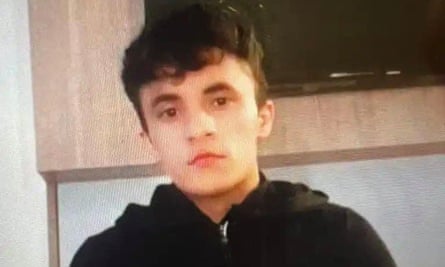
Amir Safi, from Afghanistan, who said he was 16, died in 2024 after becoming “very quiet and withdrawn” when he was ruled an adult, an inquest heard.
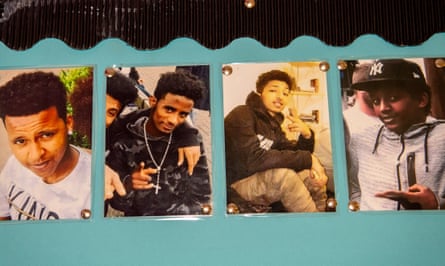
Between November 2017 and February 2019 there were four suicides of Eritrean teenagers who knew each other: Alexander Tekle, Osman Ahmed Nur, Mulubrhane Medhane Kfleyosus and Filmon Yemane.
The report has been sent to ministers including the education secretary, Bridget Phillipson, and the immigration minister, Alex Norris, with an accompanying letter that says: “We are deeply concerned about the lack of transparency from the government about these deaths. The Department for Education and Home Office have both withheld requested information.”
It adds: “We believe that all children and young people matter, regardless of their immigration status, national origin or ethnicity.”
The report calls for death data for this group to be published; for a national review of these deaths to be undertaken; and for a new safeguarding strategy to be implemented for this group of young people.
Sarah Robson, the director of the Da’aro Youth Project, said: This is the first time this data has ever been compiled – and we find it to be very shocking. Unaccompanied young people, who have been forced to flee their homes and have come to the UK to find safety and sanctuary, are dying by suicide in great numbers.
“These young people have been mistreated repeatedly by governments – with children treated as adults by the Home Office – and an asylum system that prioritises deterrence over sanctuary.”
A Department for Education spokesperson said: “Every death of a young person who has been in care is a tragedy and must be treated as a serious safeguarding failure. Through the children’s wellbeing and schools bill, we are strengthening wellbeing support for children in care and care leavers, and ensuring young people receive ongoing, practical help from trusted professionals as they move into adulthood.
“This includes support with housing, accessing services and staying connected rather than becoming isolated. We have also tightened reporting so councils must notify us when a care leaver dies, allowing risks to be identified earlier, lessons to be learned nationally, and action taken to prevent further harm.”