.png) 3 months ago
76
3 months ago
76
Downing Street has rejected accusations it covered up Keir Starmer’s role in appointing Peter Mandelson as the UK ambassador to Washington, after documents detailing the process showed no formal input from the prime minister.
A day after 147 pages of documents were released by the government, No 10 also denied that the approval and vetting of Mandelson had been rushed through, saying normal procedures were followed.
Starmer’s spokesperson reiterated the prime minister’s regret over the choice, which saw Mandelson sacked just nine months into the job after new details emerged about his ties to Jeffrey Epstein, the convicted child sex offender.
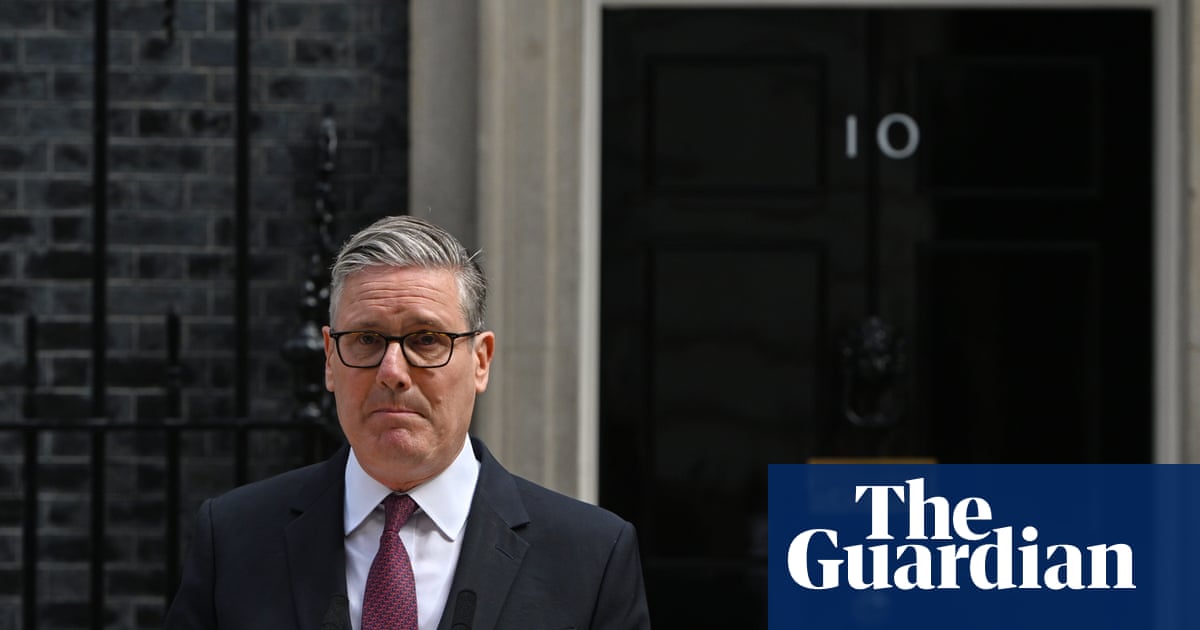
Speaking on a visit to Belfast on Thursday, Starmer said he had not known the extent of Mandelson’s links to Epstein. “But that doesn’t take away from the fact that it was me that made a mistake, and it’s me that makes the apology to the victims of Epstein, and I do that.”
Among the documents released on Wednesday were two pieces of official advice to Starmer, one setting out the potential risks of a political appointee to be ambassador, and another specifically detailing the risks in approving Mandelson, including his ties to Epstein.
Both contained an official box titled “prime minister comments” where, under usual protocol, the PM would formally give a decision and any other views. Both were left blank.
On Thursday, Kemi Badenoch said it appeared that Starmer’s comments had been redacted. “They have been removed,” the Conservative leader claimed, adding: “We need the full details of what the prime minister did.
“There is still a cover-up going on.”
However, No 10 officials said nothing was redacted, and that this was the final version of the documents. It is believed Starmer most likely gave his view to officials verbally, despite protocol setting out that such decisions should be recorded formally.
“I refute the suggestion of a cover-up,” said Starmer’s spokesperson, adding that the government had “complied fully” with the Conservatives’ Commons motion obliging the publication of the Mandelson documents.
He said: “The prime minister did read the advice. Clearly, there are lessons to be learned on the wider appointment process, as we have set out, and indeed the internal processes that led up to it.”
Among other files in the documents are comments from Jonathan Powell, Starmer’s national security adviser, who said Mandelson’s appointment felt “weirdly rushed”.
No 10 officials said, however, that while his vetting took place quickly, this happened under standard rules which allow them to request an expedited process a certain number of times each year.
Starmer and his ministers have said events surrounding Mandelson have shown that the vetting and due diligence process is not fit for purpose, and needs to be changed.
But the spokesperson said Starmer was not seeking to avoid culpability. “The prime minister has taken responsibility for Peter Mandelson’s appointment as ambassador to the United States, he has acknowledged it was a mistake, and he has apologised.”
Another revelation from the first tranche of documents was that Mandelson first received secret briefings several weeks before his security vetting was completed.
No 10 officials said this was because MPs or peers who are senior enough to have been made privy councillors automatically get clearance to see material up to the level of secret, without separate vetting clearance.
The scope of the Conservative motion is so wide that hundreds of thousands of documents are being examined for future release, with sensitive or secret material removed first. The next batch is not expected for some weeks.