.png) 3 months ago
60
3 months ago
60
Press freedom around the world is at its lowest ebb in a generation, according to an influential annual index that highlights growing authoritarian pressure on the media.
The average score for the 180 countries assessed by the World Press Freedom Index, compiled by Reporters Without Borders (RSF), was the lowest in the index’s 25-year history.
For the first time, more than half of all countries were placed in the “difficult” or “very serious” categories for press freedom.
While a fifth of the global population lived in a country where press freedom was categorised as “good” in 2002, that has now fallen to less than 1% of the world’s population.
The study found that a dramatic expansion of “restrictive legal arsenals” used by governments around the world, particularly in their use of national security laws, was impinging on the rights of the free press.
RSF said press freedom had been declining over the 25-year period its index covered. It found declines in many democratic countries, warning that journalism was being “increasingly criminalised”.
It said political hostility to the press was combining with an increasingly difficult business model for media outlets, leading to established journalism “being asphyxiated”.
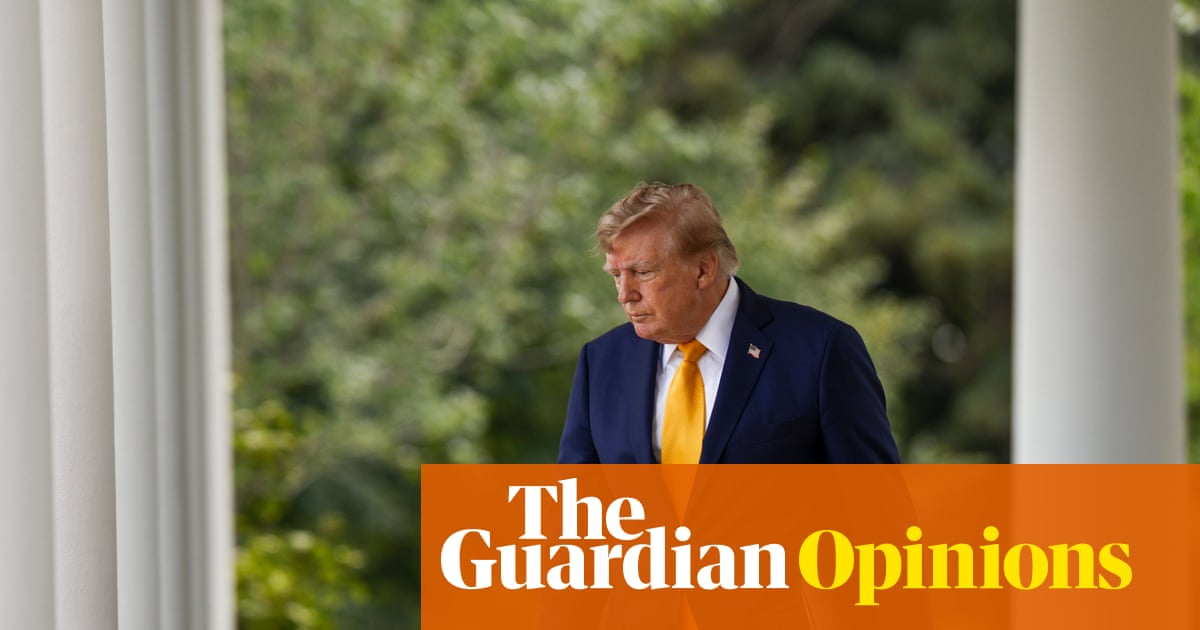
Donald Trump’s repeated attacks on the press and journalists were described as a “systematic policy”, pushing the US down to 64th place in the index and fuelling a decline across the American continents.
Meanwhile, Vladimir Putin was described as “a specialist in using laws designed to combat terrorism, separatism and extremism to restrict press freedom”. As of this month, it said Russia held 48 journalists behind bars.
Anne Bocandé, the group’s editorial director, said the findings posed a simple question. “How much longer will we tolerate the suffocation of journalism, the systematic obstruction of reporters and the continued erosion of press freedom?” she said.
“Authoritarian states, complicit or incompetent political powers, predatory economic actors and under-regulated online platforms are directly and overwhelmingly responsible for the global decline in press freedom.
“Given this context, inaction is a form of endorsement. It’s no longer enough just to state principles – effective measures to protect journalists are essential and must be seen as a catalyst for change. This starts with ending the criminalisation of journalism: the misuse of national security laws, Slapps [strategic lawsuits against public participation] and the systematic obstruction of those who investigate, expose and name names.”
The survey’s assessment of legal restrictions on the press recorded the biggest decline of any category. Attempts to circumvent press laws or the misuse of emergency legislation were cited in the decline of media freedom in more than 60% of states, including India, Egypt, Israel and Georgia.
It also highlighted the impact of war. Since October 2023, it said more than 220 journalists had been killed in Gaza, including at least 70 killed while carrying out their work. Similar issues were found in Sudan and South Sudan.
The Trump administration’s decision to cut off funding to the US Agency for Global Media had “global repercussions”, it said. It led to the closure, suspension or significant downsizing of organisations including Voice of America, Radio Free Europe/Radio Liberty and Radio Free Asia in countries with limited access to reliable information.
It said presidents Javier Milei in Argentina and Nayib Bukele in El Salvador had “taken their cue from the White House in their approach to the media”, with both countries recording significant declines in press freedom.
It also cited the murder of journalists by organised crime in Ecuador and Peru.
The UK ranked 18th overall, up two places on last year. However, the analysis raised concerns about the 2024 stabbing in London of a journalist working for Iran International. Previous safety concerns have been raised about exiled Iranian journalists working in the UK.
RSF also noted a rise in online abuse in Britain and the physical safety of journalists covering public disorder. It criticised the government’s shelving of a crackdown on the use of lawfare against publishers. Proposals to tighten laws against Slapps were dropped from the government’s immediate plans.
Norway came top of the index for the 10th year in a row, and Eritrea came last for the third consecutive year. The most improved country was post-Assad Syria, which moved up 36 places.
The study came as news organisations including the Guardian, the BBC, CNN and the New York Times issued a joint statement reiterating their plea for Israel to lift its ban on foreign journalists independently entering Gaza. Restrictions imposed when the war began in October 2023 remain in place.
The outlets said the ban “has pushed the responsibility for covering this devastating war and its aftermath almost entirely on our Palestinian colleagues … They should not have to shoulder this burden alone, and they should be protected.”