.png) 2 months ago
54
2 months ago
54
'Pretty obvious' Putin doesn't want peace in Ukraine, European ministers warn
Back to Brussels, the foreign ministers from European Nato countries showed little patience with Moscow this morning.
“What we see is that Putin has not changed any course. He’s pushing more aggressively on the battlefield,” Estonian foreign minister Margus Tsahkna said in comments reported by AP. “It’s pretty obvious that he doesn’t want to have any kind of peace.”
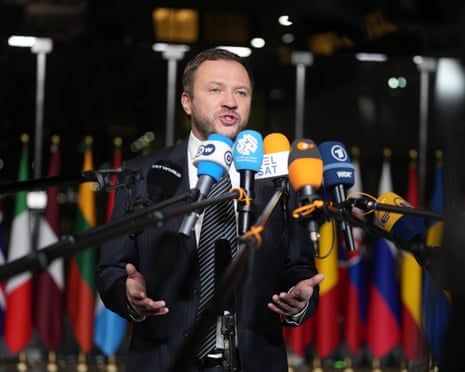
Finland’s foreign minister Elina Valtonen struck the same note. “So far we haven’t seen any concessions from the side of the aggressor, which is Russia, and I think the best confidence-building measure would be to start with a full ceasefire,” she told reporters.
Key events Show key events only Please turn on JavaScript to use this feature
Zelenskyy's aides to meet with European national security advisors to discuss peace talks
Ukrainian president Volodymyr Zelenskyy has pledged to “work constructively in pursuit of a real peace,” as he continues Ukraine’s diplomatic offensive today, with his security advisor, Rustem Umerov, meeting with the European national security advisors in Brussels.
In a post on X, he said that Umerov will be joined by the chief of the general staff Andrii Hnatov, with the meetings aimed at ensuring “ongoing coordination with partners.”
“Ukrainian representatives will brief their colleagues in Europe on what is known following yesterday’s contacts by the American side in Moscow, and they will also discuss the European component of the necessary security architecture,” he said.
Zelenskyy added that Umerov and Hnatov will also “begin preparations for a meeting with envoys of president Trump in the US.”
'Pretty obvious' Putin doesn't want peace in Ukraine, European ministers warn
Back to Brussels, the foreign ministers from European Nato countries showed little patience with Moscow this morning.
“What we see is that Putin has not changed any course. He’s pushing more aggressively on the battlefield,” Estonian foreign minister Margus Tsahkna said in comments reported by AP. “It’s pretty obvious that he doesn’t want to have any kind of peace.”
Finland’s foreign minister Elina Valtonen struck the same note. “So far we haven’t seen any concessions from the side of the aggressor, which is Russia, and I think the best confidence-building measure would be to start with a full ceasefire,” she told reporters.
Europe 'turning off tap on Russia gas, forever' as political deal on banning Russian imports by 2027 reached
Meanwhile, European Union lawmakers and member states reached a deal to ban all imports of Russian gas by autumn 2027, as the bloc seeks to choke off key funds feeding Moscow’s war chest, AFP reported.
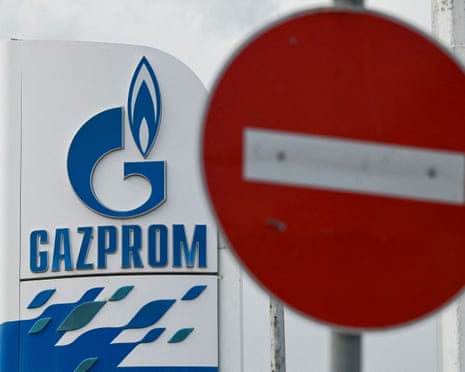
The overnight accord aims to break a dependency the bloc has struggled to end despite the invasion of Ukraine, and marks a compromise between EU capitals and the European Parliament, which wanted the ban to hit sooner.
“We’ve made it: Europe is turning off the tap on Russian gas, forever,” EU energy commissioner Dan Jorgensen wrote on X.
“We are sending a clear message to Russia: Europe will never again let its energy supply be used as a weapon,” he said.
AFP noted that under the deal, long-term pipeline contracts – considered the most sensitive because they can run for decades – will be banned from 30 September 2027, provided storage levels are sufficient, and no later than 1 November 2027.
For liquefied natural gas (LNG), long-term contracts will be prohibited from 1 January 2027, in line with a call by Commission president Ursula von der Leyen to tighten sanctions on Moscow.
Short-term contracts will be phased out earlier: from 25 April 2026 for LNG and 17 June 2026 for pipeline gas.
The overnight deal also calls on the Commission to draft a plan in the coming months to end Russian oil imports to Hungary and Slovakia by the end of 2027.
The timeline must still get final approval from the European Parliament and member states.
Morning opening: Okay, so what do we do now?

Jakub Krupa
Russia and the US did not make progress toward a peace deal for Ukraine during their talks, a senior aide to Vladimir Putin has said, hours after the Russian president issued threats that Russia was ready for war with Europe.
Despite lots of pressure being put on Ukraine over the last week, the much-hyped talks in Moscow did not bring any results as Russia disagreed with the US proposals.
So, we are back to square one. The question is: what’s next?
Ahead of a ministerial meeting in Brussels today, Nato’s Mark Rutte was determined to look for positives as he insisted “the peace talks are ongoing,” but conceded that “we are not sure when they will end” and so the alliance should be ready to keep supporting Ukraine “to fight back against the Russians.”
Rutte declined to comment on Putin’s comments.
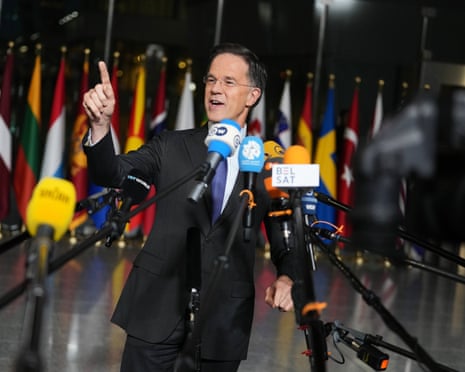
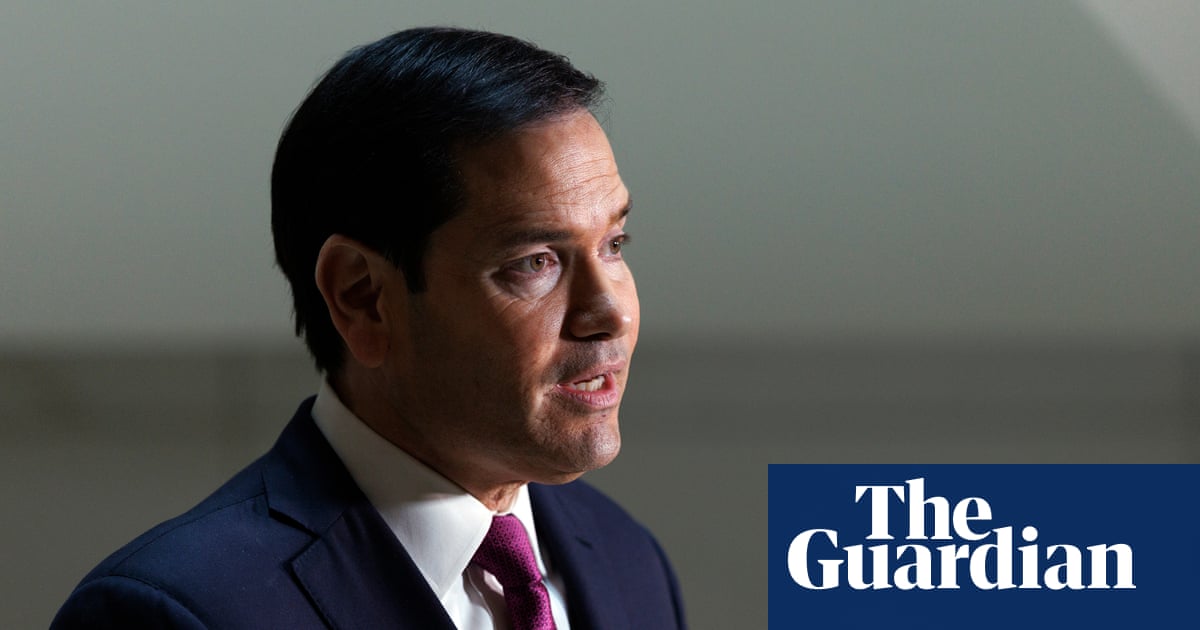
In a further sign that will worry Europeans, particularly after Putin’s war warning, US state secretary Marco Rubio is not attending the meeting. His deputy, Christopher Landau, is representing the US, despite appearing to question the need of Nato just a few months back.
But Rutte insisted there was nothing special about any of that, saying it was “totally acceptable” that Rubio could not come given his other duties, and saying that he had a dinner with Landau last night, who he thought would be “really great at the table.”
Let’s see what comes out of this meeting, with a press conference expected in the afternoon.
We should also hear from Ukraine’s Zelenskyy at some point with his take on yesterday’s talks at the Kremlin.
I will bring you all the key updates throughout the day.
It’s Wednesday, 3 December 2025, it’s Jakub Krupa here, and this is Europe Live.
Good morning.