.png) 3 months ago
32
3 months ago
32
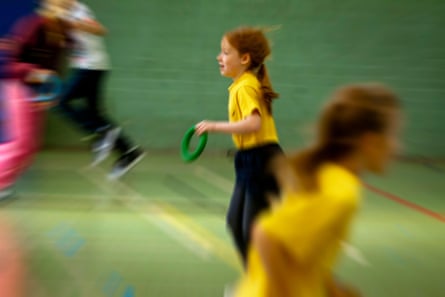
Funding for primary school sport in England is to be cut by Labour, including the abolition of a grant designed to cement the 2012 Olympic legacy, to the dismay of school leaders.
The Department for Education said that the £320m fund paid directly to primary schools each year through its PE and sports premium will be scrapped and replaced by a “sport partnerships network” worth £193m a year to cover both primary and secondary schools.
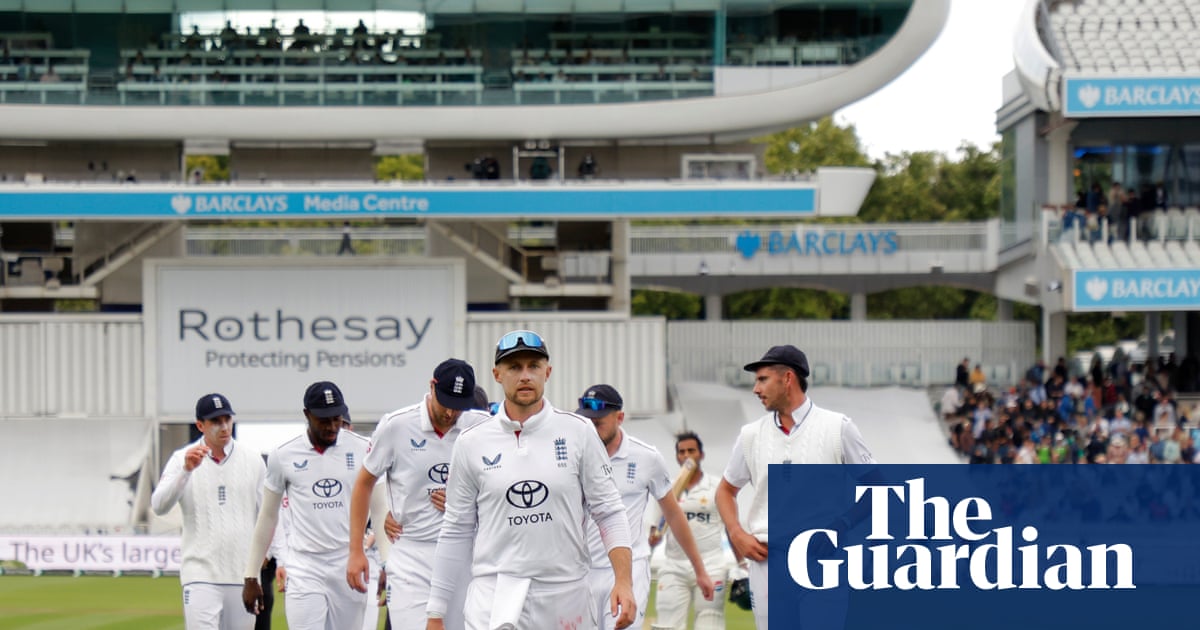
The new scheme will be “fully up and running from spring 2027”, the DfE said, but the announcement – made hours before the England men’s World Cup football team was named – was greeted with scepticism by headteachers and academy leaders.
Pepe Di’Iasio, the general secretary of the Association of School and College Leaders, said: “We are worried about the removal of an established funding stream to provide PE and sport in primary schools and its replacement with an initiative which – to put it mildly – is extremely complex and lacks clarity about how it will be delivered.
“It appears to be a funding cut dressed up as an initiative to boost PE and sport in schools when it may actually have the opposite effect, certainly in primaries.”
Leora Cruddas, the chief executive of the Confederation of School Trusts, said the lack of clarity was unhelpful for many schools that have already made plans for next year.
“A national programme could help in principle, but we would urge the government to delay implementation until September 2027 so that this can be properly planned for,” she said.
“This would also help the sector understand how support can be extended to 3.6 million secondary school pupils at what looks like significantly reduced annual funding.”
The change would amount to a 40% cut in comparable funding, although the government said it had also earmarked additional capital funding of less than £200m for improving school sports facilities.
Bridget Phillipson, the education secretary, said: “Our new approach will see every child, across both primary and secondary, more physically active regardless of their circumstances, background, ability or where they go to school.”
The new scheme comes after battles over funding school sport within the government earlier this year. The Department of Health and Social Care wanted to end its £60m annual contribution to school sports, and the Guardian reported that the DfE also wanted to cut £60m from its contribution.
The announcement marks the third time in 20 years that school sport has been wrenched in different directions. The last Labour government set up a national sports network, creating 450 school sport coordinator roles, but its funding was scrapped by the coalition government in 2010.
After the London Olympics in 2012, the coalition launched a £150m annual grant paid directly to primary schools that the then prime minister David Cameron claimed would “foster the aspirations of future Olympians and Paralympians”.
The DfE said on Thursday it would appoint a “delivery partner” to provide a “mixture of universal and targeted support to schools based on their needs”, with targeted support potentially including top-up swimming lessons, increased extra-curricular opportunities and online training.
Ali Oliver, chief executive of the Youth Sport Trust, said her organisation and other sports bodies backed the new approach.
“We recognise the shifts in investment may cause challenges in the short-term. The period of change to a new era of PE and school sport will take time, and understandably cause disruption particularly to primary schools,” she said.
“However, the protection of dedicated funding to support the physical, social and emotional development of children and young people must be welcomed and we all need to work together to manage a difficult transition.”