.png) 3 months ago
62
3 months ago
62
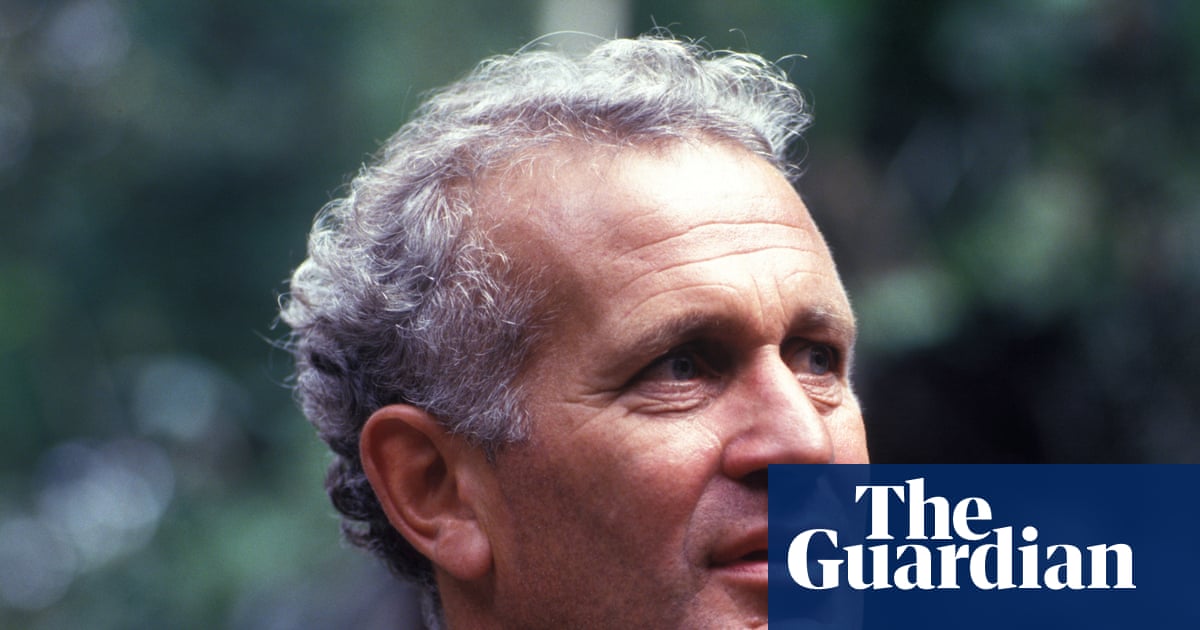
Recruited to Magnum Photos by Henri Cartier-Bresson in 1977, the veteran photographer, who has died aged 83, made defining images of grand and intimate Indian life for five decades
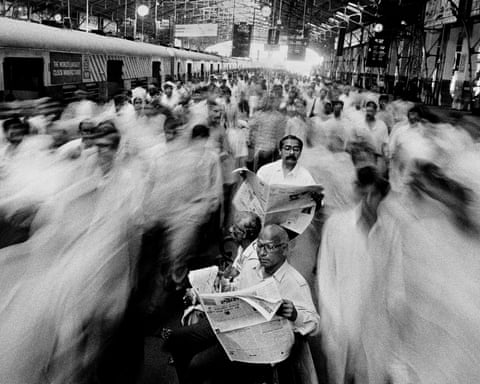
Commuters at Churchgate railway station, Mumbai, 1995. Photograph: All photographs Raghu Rai/Magnum PhotosThu 30 Apr 2026 14.20 CESTLast modified on Thu 30 Apr 2026 14.21 CEST
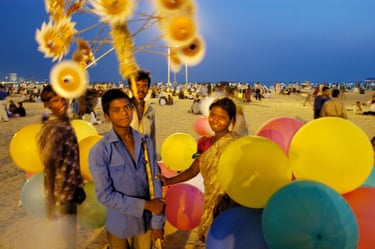
Crowds at Chowpatty beach on a Sunday evening, Mumbai, 2004
Born in Jhang, in present-day Pakistan, Raghu Rai joined Magnum Photos in 1977 at Henri Cartier-Bresson’s invitation, becoming one of India’s foremost visual chroniclers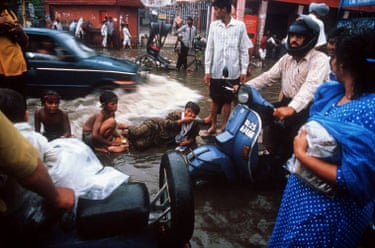
Delhi, 1989
He is particularly known for his coverage of the Bhopal disaster for Greenpeace, and intimate portraits of Mother Teresa. Author of more than 18 books and recipient of multiple awards, Rai leaves behind 60 years of an unflinching human gaze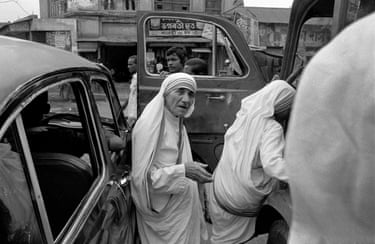
Mother Teresa prays at the refuge of the Missionaries of Charity in Calcutta, 1979
Rai was well known for his portraits of social and political elites, with a great gift for capturing culture among the masses. Mother Teresa, famous worldwide yet ingrained in local culture, existed at the boundary between the two, and remains one of Rai’s most visually powerful subjects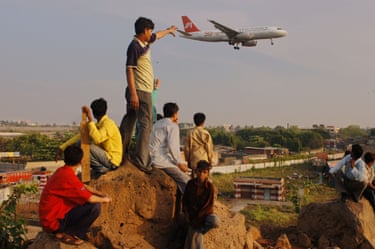
Boys living in a slum next to the international airport trying to grab a plane, Dharavi, Mumbai, 2004
In 2004, Mumbai was home to more millionaires than any other city on the Indian sub-continent, but almost half of the population lived in slums. Among diverse backdrops, Rai captured this harsh reality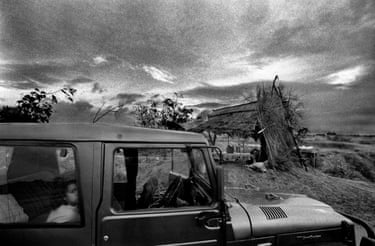
India, unidentified, 1995
Image from the book Raghu Rai’s India: Reflections in Black and White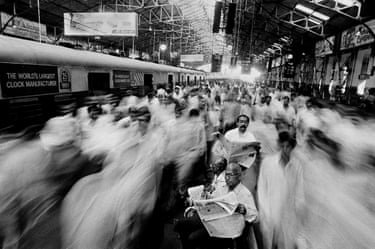
Commuters at Churchgate railway station, Mumbai, 1995
Mumbai’s suburban trains move millions of people through an unforgiving rhythm of congestion and motion each day. Known for his tenacity and sharp observational eye, Rai captured India’s soul and the restless intensity of everyday life, revealing the raw texture of lived experience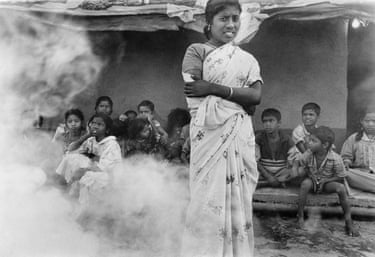
Bhopal, 2002
Born on the day toxic gas swept across the city, this girl was named Gas Devi, or Gas Goddess, by her parents. In 1984, following the explosion of Union Carbide’s pesticide plant in Bhopal, Rai documented its tragic consequences. In a matter of days, 4,000 people were buried, and tens of thousands more were gravely affected by medical problems. Rai’s humanitarian documentation of the disaster helped to raise awareness and pursue justice for victims. From the project Exposure: Portrait of a Corporate Crime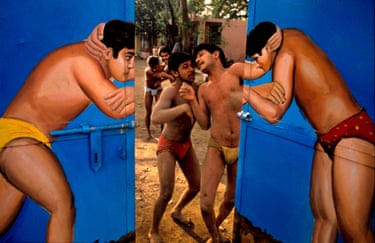
Through the doors of a wrestling school, Delhi, 1989
Wrestlers are shown through a painted gate, in the neighbourhood of Paharganj in Delhi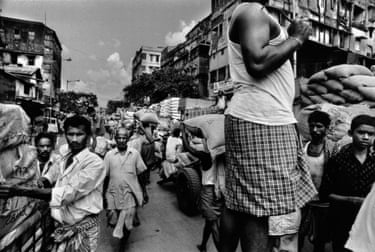
Migrating labourers, Kolkata, 2001
In India, as in the rest of the world, people live in an age of millions of ephemeral images. Fortunately, a good photograph can communicate deeper levels of human experience. This one is from the book Raghu Rai’s India: Reflections in Black and White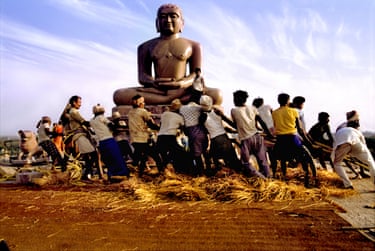
Jain Lord Swami Mahavir’s statue being installed, Delhi 1990
Rai did some of his best work in India’s capital city Delhi. As William Dalrymple says in the introduction of the book Raghu Rai’s Delhi: ‘His is the work of a sympathetic insider and has a tender and knowing intimacy that no outsider like myself can come close to’Explore more on these topics