.png) 2 months ago
61
2 months ago
61
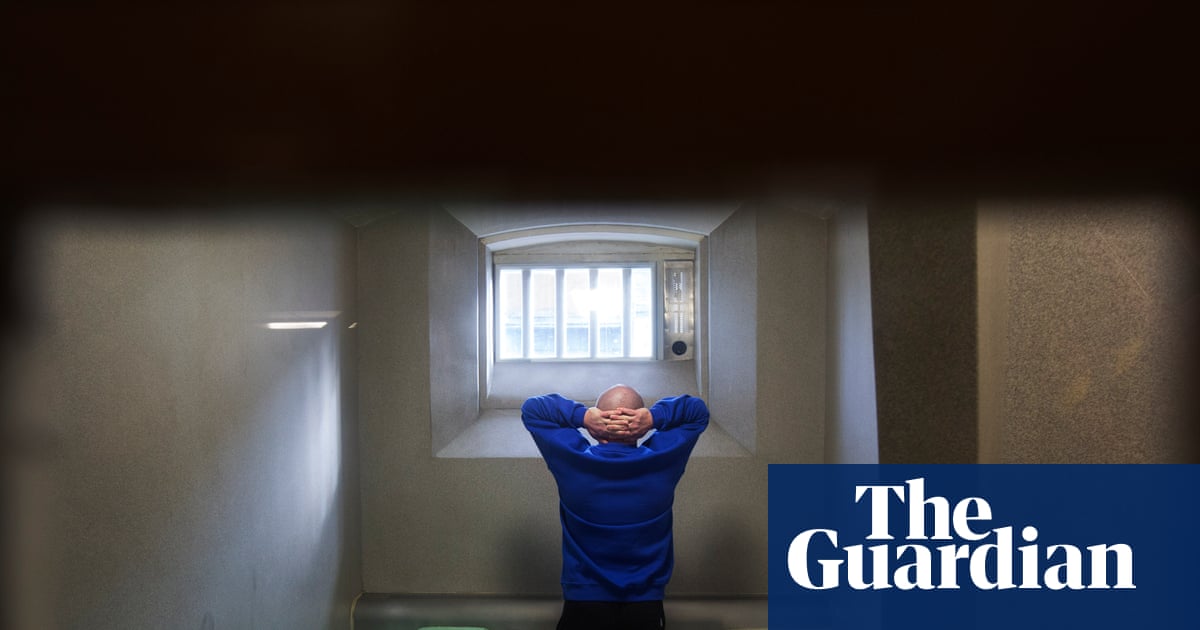
Thousands of refugees are facing a growing homelessness crisis, according to a network of more than 100 organisations across the UK who say homelessness has more than doubled among refugees in the last two years.
Naccom, the national charity of 140 frontline refugee and migrant organisations, blames the increase on “near-constant government policy changes” and the introduction of eVisas, which some refugees have not been able to activate in order to access vital services and support.
Network members were approached by at least 3,450 refugees and other migrants in 2024-25 whom they were unable to accommodate. They say this figure is likely to be a significant underestimate of the true picture.
Members accommodated 4,434 homeless people, more than in any previous year since their records began in 2013, providing 672,807 nights of accommodation. There were 829 people sleeping rough at the point of accessing services, significantly higher than the 2022-23 figure of 378. Among those who were housed, 2,008 were refugees, a 106% increase on 2022-23.
Bridget Young, the Naccom director, said: “Our survey findings paint a bleak picture of a continuing crisis with no end in sight. Successive governments have expanded the hostile environment through constant, reactive policy changes that make it easier for people to fall into destitution and homelessness and harder to find a way out.
“The survey period coincided with a terrifying summer of rioting organised by the far right and anti-immigration sentiment has continued to creep into mainstream politics, encapsulated by recent policy announcements that are set to increase homelessness and destitution further.”
In one recent case, Asylum Welcome, a refugee charity in Oxfordshire, was asked for accommodation support for 48 newly recognised refugees who had been evicted from asylum accommodation in a single month, with many left sleeping rough.
For those the charity was unable to find accommodation for, it could offer only a sleeping bag. Some who have been sleeping rough faced assault and had their few belongings trashed by a few individuals supporting anti-immigrant protests, according to the charity.
In a separate development, a Home Office pilot that began in December 2024 extending the move-on period for new refugees from 28 days to 56 days, to give people more time to sort out alternative accommodation and find employment, ended in September, returning the move-on period to 28 days for single adults.
According to an internal Home Office letter seen by the Guardian, more vulnerable groups including sick, disabled and elderly people will also have their move-on period reduced to 28 days by the end of this month.
There is no indication of any immediate change to this truncated move-on period, which NGOs have linked to the rise in street homelessness among refugees. “It is important that we take the necessary time to review this evidence before making any longer-term policy decisions,” the Home Office letter states.
The policy has been challenged in the high court, with some orders being issued halting enforcement of the 28-day move-on period due to the risk of destitution, including in an emergency case in October.
A Home Office spokesperson said:“The 56-day move on period remains in place for all families and vulnerable individuals until the end of the year. We are working with local councils, NGOs and other stakeholders to ensure any necessary assistance is provided for those individuals who are granted refugee status. An independent evaluation of the pilot is still ongoing.”