.png) 3 months ago
84
3 months ago
84
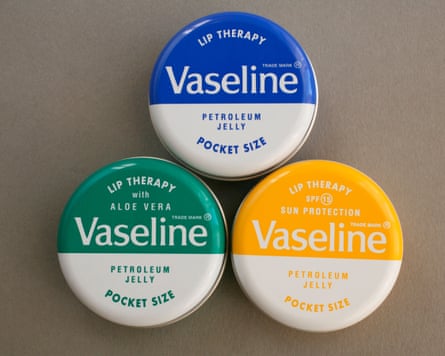
As a product discovered more than 150 years ago on a Pennsylvania oilfield, the humble pot of Vaseline may not seem like an obvious target for social media algorithms.
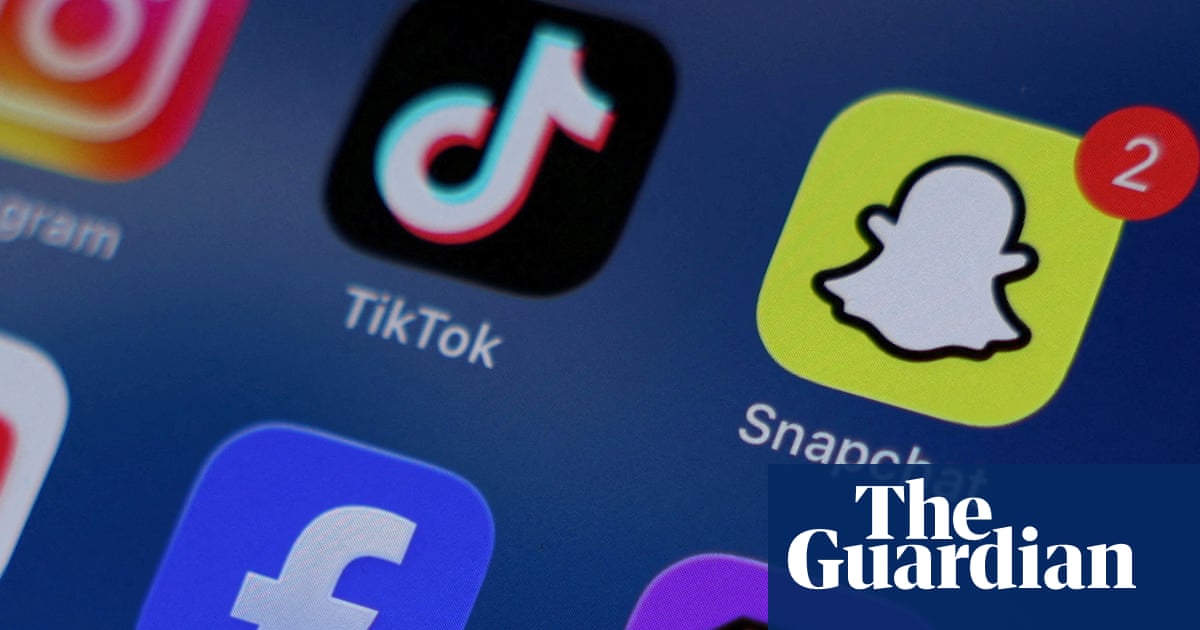
Yet the brand’s emergence as a TikTok talking point has placed it at the forefront of an advertising revolution, in which large companies are spending big on content creators and putting fewer resources into promoting products in traditional media.
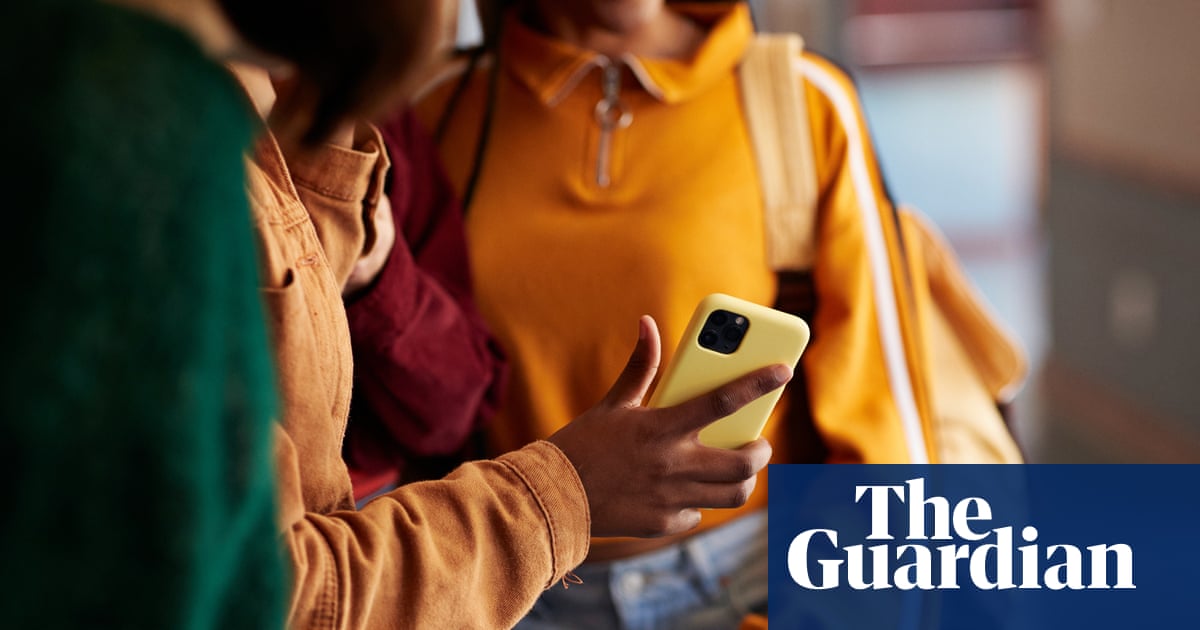
The petroleum jelly was first manufactured in the 1870s by a chemist, Robert Cheeseborough, who noticed oil rig workers rubbing their skin with a byproduct of the drilling process. Today, a spree of user-generated videos have documented the product’s widespread use in “life hacks”. It has been touted as a remedy for cleaning shoes or prolonging the scent of perfume, as well as a fix for squeaky doors. It has even been deployed to stop the scourge of crisp flavouring sticking to fingers.
Detecting the product’s new life online, marketers at Unilever, the multinational corporation that owns the brand, amplified the hacks by asking their own scientists to test them and letting the content creators in on the results.
Claims that Vaseline reduced the sensation of spicy food on lips, prolonged perfume and restored leather handbags were all given the thumbs up. Suggestions it could whiten teeth or lengthen eyelashes were debunked.
Billboards and TV ads would once have dominated Unilever’s advertising drive. But the Vaseline phenomenon has helped convince executives to turbocharge spending on content creators. This monitoring of online platforms to inform business strategy has been termed “social listening”.
Fernando Fernández, Unilever’s recently appointed chief executive, has suggested it is aiming to spend half of its colossal advertising budget on social media content.
Selina Sykes, the Unilever executive who is spearheading the social media effort, said the company was simply adapting to new ways of reaching consumers. She said engaging on social media “without killing the party” was essential.
Sykes said: “How do brands authentically become part of the conversation? That’s always what we’ve been trying to do as brands, back to when people were hanging out their laundry and talking about what they used.
“There’s this moving away from a one-to-many model, where we would just broadcast out … Now it’s many conversations, many communities. The shift of the algorithms means that these communities feel niche, but they’re not.
“If you can make sure your brand is shared by other people, talked about by other people, that is how you can build trust and relevance. Creators are critical to that. We’re really scaling this advocacy model.”
The strategy reflects seismic changes taking place in media consumption, with younger consumers spending more time on social media platforms than television, magazines or radio.
The shift is reflected in declines in TV and print advertising. In the UK, ad revenues for the likes of ITV, Channel 4 and Channel 5 have fallen by more than £600m in real terms since 2019.
It also reflects a media convergence as large companies almost become production houses themselves, linking up with hundreds of content creators to boost their products.
Leon Harlow, the group commercial director at YMU, one of the UK’s biggest talent agencies, said: “Obviously there’s a flow of audiences out of certain traditional media outlets and they’re spending a lot more time on Instagram, TikTok and YouTube than they are watching live TV or reading print.
“A lot of brands are telling us people trust recommendations from the individuals they follow more than they trust ads. That’s a consistent trend.”
He said brands could also save money by targeting content creators over big traditional media campaigns, which also allows them to tweak their content more easily to see what works.
The approach is growing. Advertising spending on the creator economy is increasing four times faster than the media industry overall, according to the Interactive Advertising Bureau. In the US, it has more than doubled since 2021 and is expected to hit $37bn (£28bn) in 2025.
Despite the huge changes, both Harlow and Sykes said they believed TV advertising still had a prominent role to play, as broadcasters retained the power to shape the national conversation.
Sykes said: “One of the highest return-on-investment media opportunities is still the Super Bowl. It’s not about those broadcasters saying: ‘Oh, we’re not relevant any more.’ It’s about who’s capturing attention … I think there’s 100% a place for them.”