.png) 2 months ago
66
2 months ago
66
Thames Water has reported a leap in half-year profits to £414m after bills rose by nearly a third, even as it warned it faced huge funding uncertainties that could result in a rapid collapse into government control.
Britain’s biggest water company on Wednesday said it had swung into profit for the six months to September, after losing £149m in the same period in 2024.
Revenues jumped by 40% to nearly £2bn after the company was allowed to raise customers’ bills by 31% in April. Thames Water insisted that it was making good operational progress, helped by a 22% increase in investment to £1.26bn, paid for by the bills increases.
Yet despite the jump reported profits, the company warned there was “material uncertainty which may cast significant doubt” on its status as a going concern.
A collapse into government control under a special administration regime (SAR) – a form of temporary nationalisation – “could occur in the very near term” if it is unable to agree the terms of a formal takeover by its controlling lenders.
Thames Water has been on the brink of collapse for more than a year as it has struggled under the weight of £17.6bn of net debt, built up over decades since privatisation.
The supplier, which serves 16 million customers in south-east England, has been dogged by poor environmental performance, with sewage leaks provoking public and political outrage and adding huge costs in the form of fines.
The company lost £1.6bn before tax in the year to March because of a £1.3bn credit loss.
The utility came close to being taken into temporary government control earlier this year when it was forced to gain court approval for a £3bn emergency funding plan that also wrote down the value of some of its debts to zero. Since then it has been working on a second deal to restructure the rest of its debts and pass formal ownership to its lenders.
Those bondholders are led by a group of hedge funds including the combative US firms Elliott Investment Management and Silver Point Capital, as well as more traditional investors such as Abrdn and Insight Investment. Within proposals to the government, bondholders have asked for 15 years of leniency from environmental fines from the government to try to recover.
However, talks have dragged on over months, with Thames surviving by gradually spending the £3bn emergency funding.
after newsletter promotion
The company said that the debt restructuring “will likely take a number of months to conclude” because it was so complicated. Thames Water also revealed it had paid £57m during the six-month period in fees for advisors on the process such as bankers, lawyers and public relations consultants.
The government has so far proved averse to granting any regulatory leniency, meaning the investors will not commit. Yet ministers are also desperate to avoid taking control under a SAR.
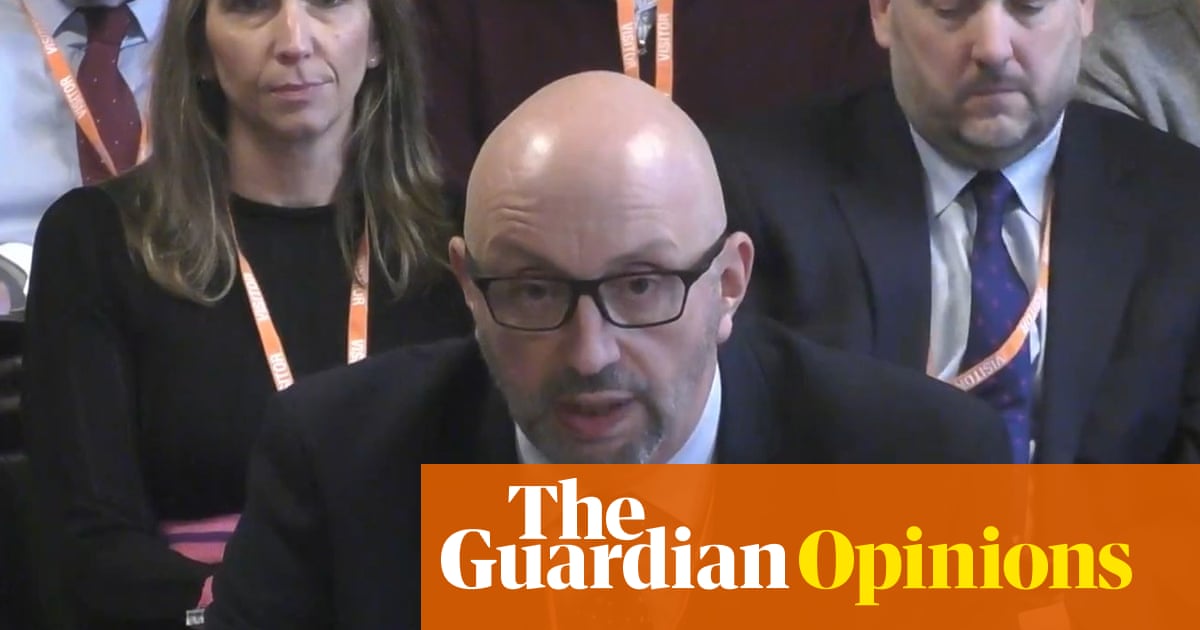
Chris Weston, Thames Water’s chief executive, said: “The first half of this year has been shaped by good progress across all areas of our operational transformation. We saw a 20% drop in pollutions and leakage performance is holding steady despite the extremely dry summer.”
“This progress has all been achieved as we also manage the recapitalisation of the business. We continue to work closely with stakeholders to secure a market-led solution that we believe is in the best interests of our customers and the environment.”