.png) 2 months ago
54
2 months ago
54
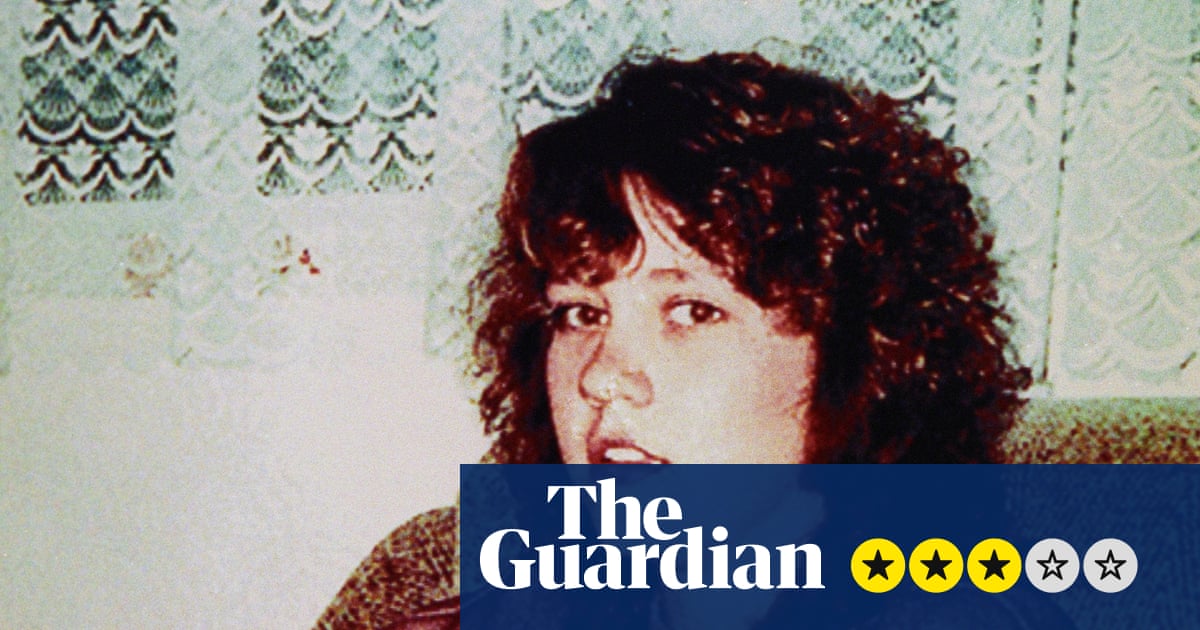
Even before it opened this week, Tate Modern’s Frida: The Making of an Icon was a smash hit. With more than 50,000 advance tickets, it is the highest pre‑selling show in Tate history, beating David Hockney in 2017. This is “the Fridamania” that the exhibition sets out to explore, charting Frida Kahlo’s rise from little-known Mexican artist to global phenomenon. During her lifetime, Kahlo was overshadowed by her painter husband, Diego Rivera. Last year, the sale of one of her self-portraits broke the record for the most expensive work by a female artist.
It is not just her art that makes millions. There are more than 100,000 objects bearing her face to buy online. From candles to sanitary towels to a Barbie doll (whiter and with a toned-down monobrow), the cult of Kahlo is big business. Coincidentally, the controversial doll also appears at the Design Museum’s Barbie: The Exhibition – tracing the evolution of Mattel’s iconic toy – which reopened this month in Glasgow.
Icon is an overused term. But for Kahlo, who died aged 47 in 1954, it is fitting. Her many self‑portraits draw on Mexican devotional art. And her image is venerated as a symbol of political defiance, supplanting even Che Guevara’s, and personal freedom. Over the decades, her feminism, gender fluidity and disability have made her a figurehead for marginalised audiences.
But as shown by Tracey Emin’s retrospective A Second Life, on the same floor at Tate Modern, Kahlo’s influence has also helped shape contemporary art. Like Kahlo, Emin is her art. Abortion, miscarriage, sickness – she too lays bare her pain, heartbreak and rage. They spill their hearts, and guts, on to canvas. Their work bears testimony to the fragility of the female body, but also women’s strength. Here is the female gaze. “This is mine, I own it,” Emin said in an interview shortly after her surgery for cancer. Next month an exhibition of the pioneering Cuban artist Ana Mendieta, a champion of female artists of colour and a Frida fan, joins these blockbusters at Tate Modern. This is Kahlo’s true legacy.
At the National Portrait Gallery, another undisputed 20th-century icon, Marilyn Monroe, is being celebrated to mark what would have been her 100th birthday. The exhibition, showcasing works by Cecil Beaton, Eve Arnold and Andy Warhol, promises to foreground Monroe’s “creative agency”. But while she claimed the right of veto over pictures, she couldn’t stop a nude photograph appearing as a Playboy centrefold. “I don’t look at myself as a commodity, but I’m sure a lot of people have,” Monroe said in the final interview before her death in 1962, aged 36. Even then, photographs of her lifeless body were circulated.
When does an icon become a brand, or vice versa? Warhol painted both Monroe and Barbie. There is a thin line between canonisation and commercialisation, art and merchandising. “[Frida] can’t give her opinion and say, ‘I like this, I don’t like that,’” Cristina Kahlo, the artist’s great-niece, said recently of the ethics of Kahlo kitsch.
Although their images have been endlessly appropriated, these artists were the creators of their own iconography. Through their work they transcended victimhood to become heroic. This is why they have such an ardent following. But their iconic status should not eclipse their artistic achievements.
-
Do you have an opinion on the issues raised in this article? If you would like to submit a response of up to 300 words by email to be considered for publication in our letters section, please click here.