.png) 3 months ago
69
3 months ago
69
Britain is one of many countries that would benefit from the replacement of brutal theocracy with democratic government in Tehran. The Iranian people would be the biggest beneficiaries. It does not follow that British interests are served by the current US-Israeli military campaign against Iran, which claims regime change as a goal but includes no credible strategy for achieving it.
The distinction was never hard to grasp. Sir Keir Starmer understood it and kept his distance from Donald Trump’s war. The leader of the opposition was not so judicious. In the first week of the conflict, Kemi Badenoch accused Sir Keir of indecision and cowardice. She thought the absence of a legal mandate for war was irrelevant and called for the RAF to be more involved. The Conservative leader no longer holds that view. Or, rather, she denies having held it. She says that she did not call for Britain to join the US-Israeli action, but did call for British forces to strike targets inside Iran and that those are different things, although she struggles to explain how.
Mrs Badenoch’s confusion expresses conflicting impulses. Her first instinct was unwavering alignment with the White House. That position seemed all the more attractive when Mr Trump declared himself “disappointed” with the prime minister, whom he denigrated as “no Winston Churchill”. If there is a vacancy for a Churchillian avatar in the US president’s imagination, Mrs Badenoch fancies herself as a candidate.
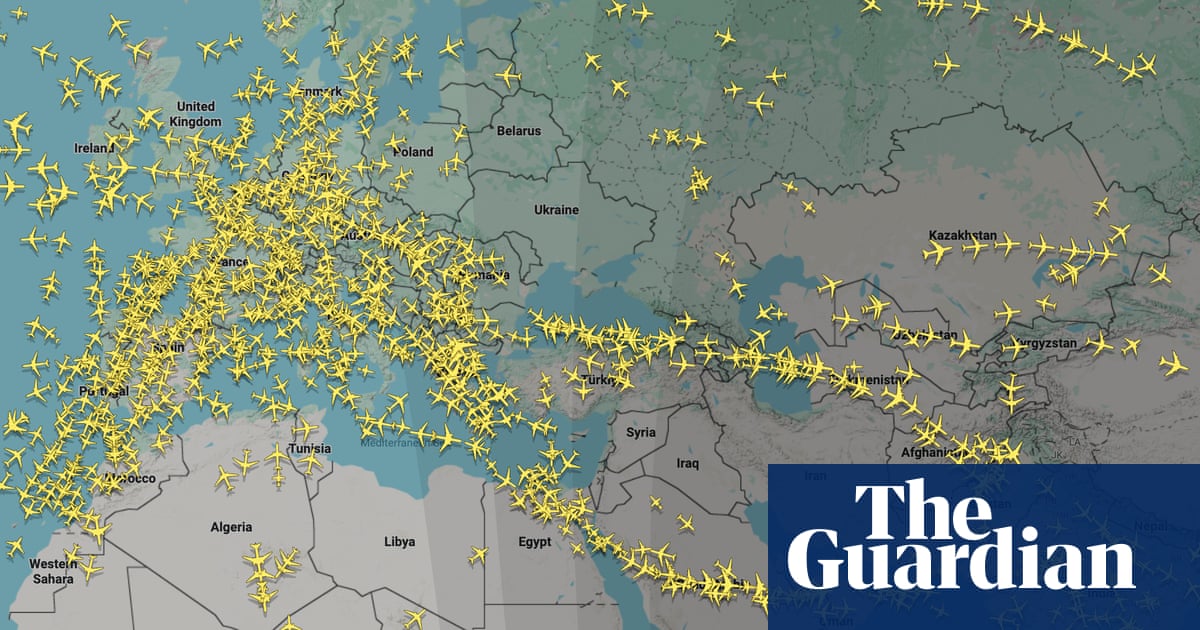
But a week is a long time in war. It is now clear that Mr Trump has blundered into an open-ended conflict without having thought through the predictable economic consequences of a campaign that drives up oil prices, disrupts trade in the Gulf, spooks financial markets and stokes inflation. Reluctance to be associated with those costs is the countervailing impulse leading Mrs Badenoch to distance herself from an ill-conceived military misadventure.
She is not alone. Nigel Farage was also quick to endorse the war but, being a more agile politician, the Reform UK leader was also quicker than his Tory counterpart to retreat to a less gung-ho position.
These manoeuvres reveal a deficiency of serious thinking on the right of British politics. There is a case, rooted in history and realpolitik, for the UK to stay broadly aligned with the US in defence and security policy. That doesn’t mean unquestioning obedience to a president whose judgment is manifestly faulty and who routinely treats allies with contempt.
Reform UK and the Tories are now ideological satellites of extreme US conservatism, adopting Maga-coded positions on culture war issues and foreign policy by default. Mr Farage has courted Mr Trump’s favour for many years, although the admiration has not been reciprocated recently. When JD Vance accused European democracies of posing a greater threat to their own continent than Russia, Mrs Badenoch praised the US vice-president for dropping “truth bombs”. Such sycophancy puts its practitioners outside the mainstream of British public opinion, although they may be too radicalised by social media to notice.
Mrs Badenoch’s contortions over Iran should encourage her to think less about currying favour with a US audience and more about her responsibilities to British voters. As the leader of the opposition, she should be testing government policy with reference to the UK national interest, not outsourcing her judgment to the White House.