.png) 2 months ago
62
2 months ago
62
Last week, Vladimir Putin responded with characteristic disdain to an open letter from Volodymyr Zelenskyy calling for face-to-face talks. Declining to mention Ukraine’s president by name at an economic forum in St Petersburg, he said that he saw “no point” in a meeting and insisted that all Russia’s war aims, including the annexation of the entirety of the eastern Donbas region, were on course to be met.
Mr Putin is “in blood stepped in so far” that agreeing to a ceasefire while those messianic goals remain unachieved may seem more politically dangerous than continuing a war which has cost an estimated 500,000 Russian lives. But as a concerted Ukrainian drone attack on St Petersburg the next day vividly illustrated, his confident assertions are increasingly belied by facts on the ground and in the air.
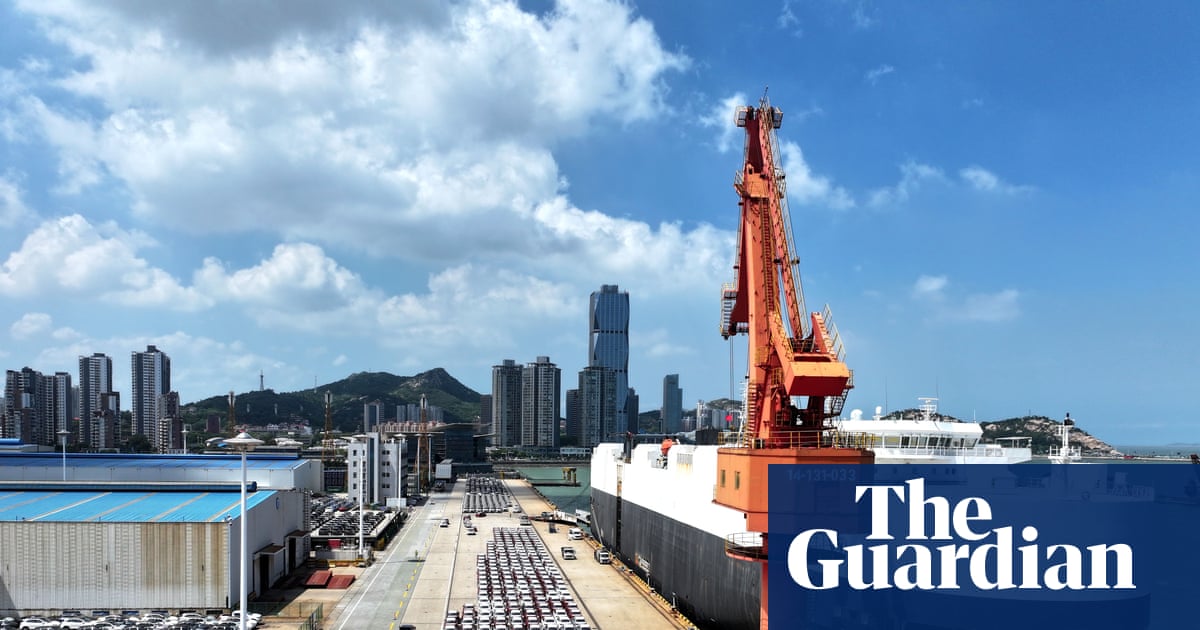
The attack, in which arsenals and a naval base were hit and the city’s population ordered to stay indoors, was the second in a week and showcased Ukraine’s prowess in developing drone technology. Other vital ports have been successfully targeted, significantly reducing oil production at a time when the Kremlin is attempting to cash in on an Iran-related spike in prices. Attacks such as those on a Moscow suburb last month are bringing the war back home, as the stagnating Russian economy suffers the effects of four years of conflict and sanctions.
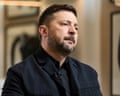
On the frontline, Ukrainian forces liberated more territory in April and May than Russia was able to seize, and Russian soldiers are reportedly dying at a faster rate than they can be recruited. Ukraine is producing drones rapidly and in vast numbers as well as enhancing their capabilities. For the first time recently, it was able to launch more strikes than it had to fight off.
The result is that despite a fearful rate of attrition, the Kremlin’s latest “spring offensive” has come to an effective standstill. As Mr Zelenskyy observed in an interview with the Guardian following meetings with Sir Keir Starmer and the other so-called E3 leaders, Emmanuel Macron and Friedrich Merz, “Russia is not winning.” While Mr Putin contemplates his options, amid growing domestic pressures and difficulties in recruiting enough soldiers to replace the wounded and the dead, Ukraine’s European allies must do all they can to further strengthen Mr Zelenskyy’s hand.
In his interview, the Ukrainian president emphasised the urgent need for anti-ballistic-missile systems to defend civilians in cities across the country from ruthless and repeated attacks. On Monday, European Union defence ministers discussed a further round of sanctions on Moscow, and the terms of potential peace talks will be discussed at an EU council summit and a G7 meeting next week. As the US focuses on finding an exit route from Donald Trump’s reckless war in Iran, there are signs that a Viktor Orbán-free Europe is determined to play a more central role in future mediation.
The starting point must be a ceasefire, the provision of credible security guarantees for Ukraine, and the dropping of Kremlin demands that further territory should be ceded in the east. With extraordinary bravery and resilience, Ukraine has resisted a brutal, illegal invasion for a period longer than the duration of the first world war. In doing so, it has performed a crucial role in protecting Europe’s wider security interests. Favourable momentum must not now be lost.
-
Do you have an opinion on the issues raised in this article? If you would like to submit a response of up to 300 words by email to be considered for publication in our letters section, please click here.