.png) 1 month ago
52
1 month ago
52
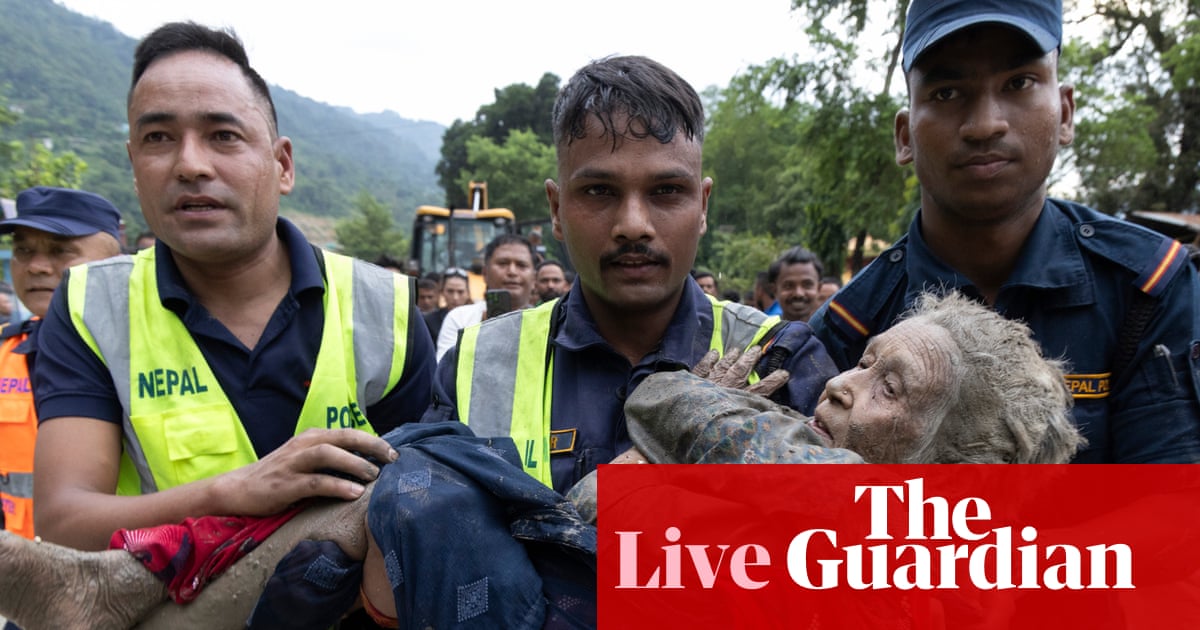
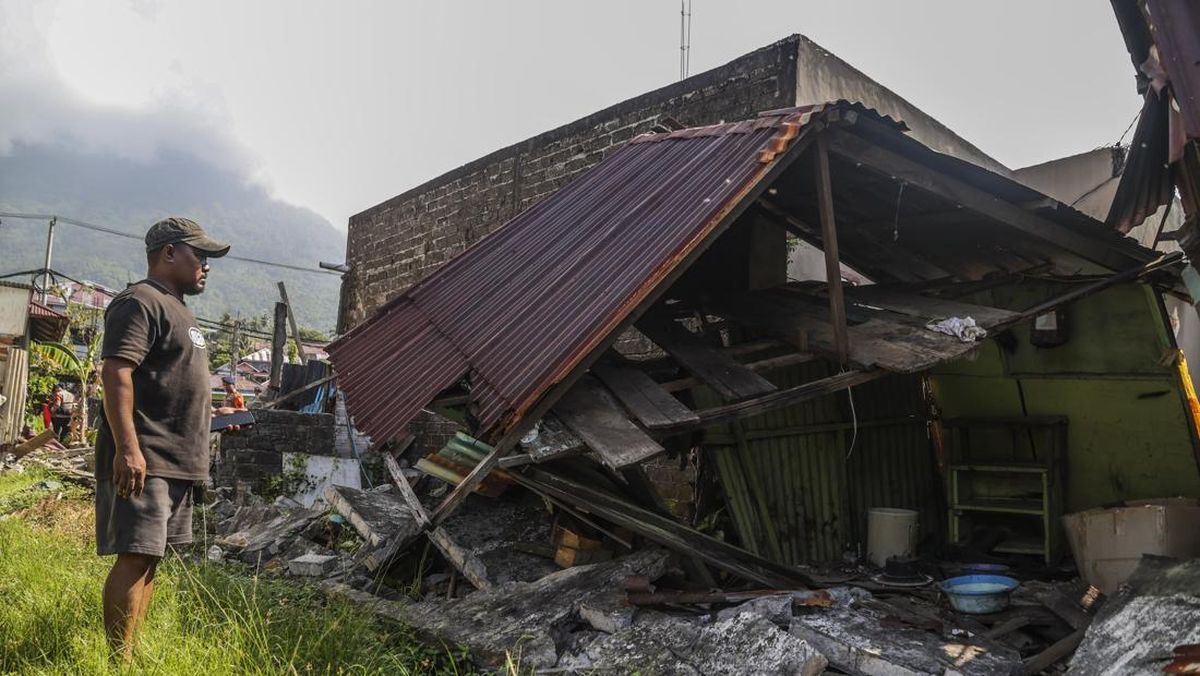
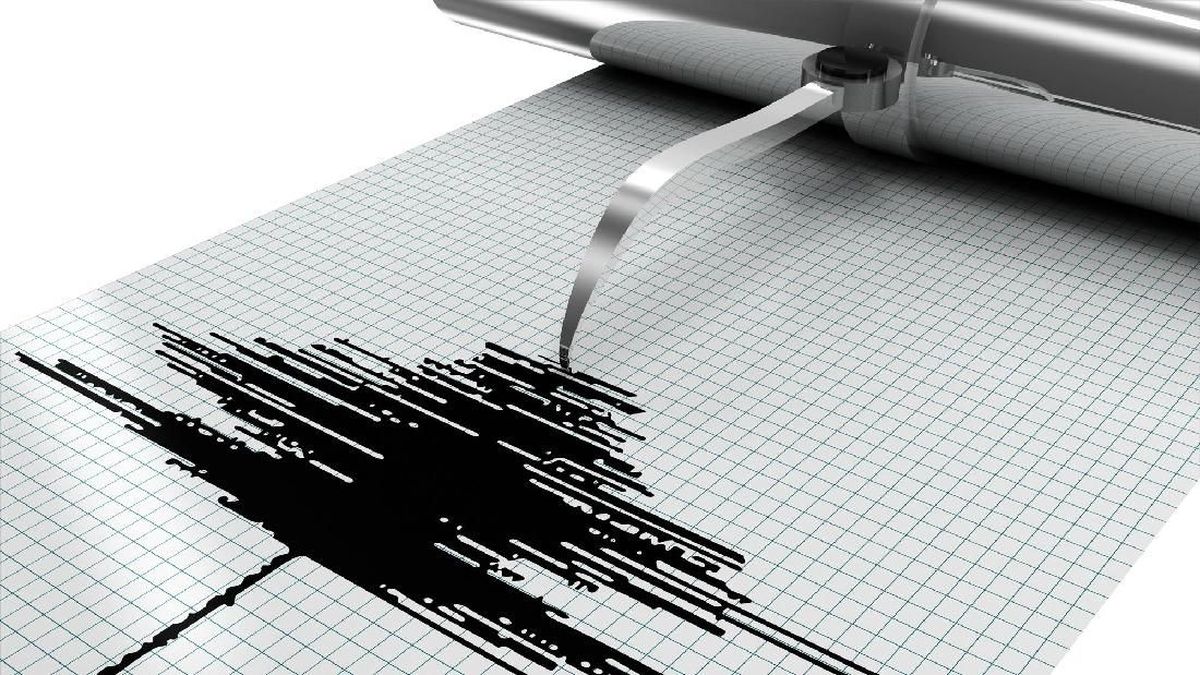
The devastation wrought by an earthquake is shaped by what happened before and after it as much as by the shock itself. The twin tremors that hit Venezuela moments apart last Wednesday were its biggest since 1900, at 7.2 and 7.5, and were shallow temblors, which often cause more destruction than deeper ones of similar magnitude. Aftershocks continued on Monday. At least 1,450 people have died, with tens of thousands reported missing and more than 3,000 injured. The UN estimates that there has been $6.7bn of damage – equivalent to 6% of the country’s GDP – including key infrastructure; 38 hospitals are said to need repairs. Unicef says that 1.8 million people need aid.
The toll of such disasters reflects the condition of the nation before they struck, and the state’s capacity to respond. While remarkable rescues in the last few days have brought joy even after the 72-hour window judged crucial to saving lives had closed, the picture is not kind to Venezuela’s leaders.
Survivors heckled Delcy Rodríguez, the acting president, as she toured a badly hit area of Caracas. Anger is growing at a sluggish official reaction in sharp contrast to the urgency of volunteer rescue and relief workers: communities feel they have been left to help themselves. The quake has highlighted the way that money has been poured into security forces, especially the military, rather than emergency response services. The regime is equipped to obstruct and repress its people, but not to aid them. As the political scientist Orlando J Pérez wrote: “Disasters force a government to show what it can actually do, and what it has been doing all along with public money.” That can profoundly shape a country’s political trajectory.
Years of state mismanagement, kleptocracy and US sanctions have left 80% of Venezuelans in poverty and driven a quarter of the population to flee. Its annualised inflation rate stands at over 600% – the world’s highest. The health system is on its knees. The Trump administration’s illegal seizure of the then president, Nicolás Maduro, in January left the regime standing, but the country in political disarray.
The US president promised that his actions would “unleash prosperity” in Venezuela; his priority is opening the country up for private investors and managing its oil sales. In typically crass style, Mr Trump declared that outside the disaster zone “people are dancing in the streets”. But while many wanted Mr Maduro to go, Ms Rodríguez’s deal with the US has destroyed his party’s remaining ideological foundation – anti-imperialism – and undone the 1976 nationalisation of the oil industry. Anger on the left is matched by frustration among those opposed to the regime at the US deal with Ms Rodríguez, who was Mr Maduro’s deputy, and its continued snubbing of the exiled conservative opposition leader María Corina Machado.
Mr Trump declared himself to be “in charge” of Venezuela after snatching Mr Maduro. On that basis, he should step up. But the evisceration of the US Agency for International Development and mass layoffs of aid workers put his ability as well as willingness to do so in doubt. The US has pledged $300m for relief efforts and its teams are among the 2,400 search and rescuers sent from around the world. That’s a start. But Venezuela’s people need and deserve concerted and sustained support, not only in the quake’s immediate aftermath, but for real recovery from permacrisis. That will be the real test for Ms Rodríguez and her party, and for US claims to leadership in the western hemisphere.