.png) 2 months ago
70
2 months ago
70
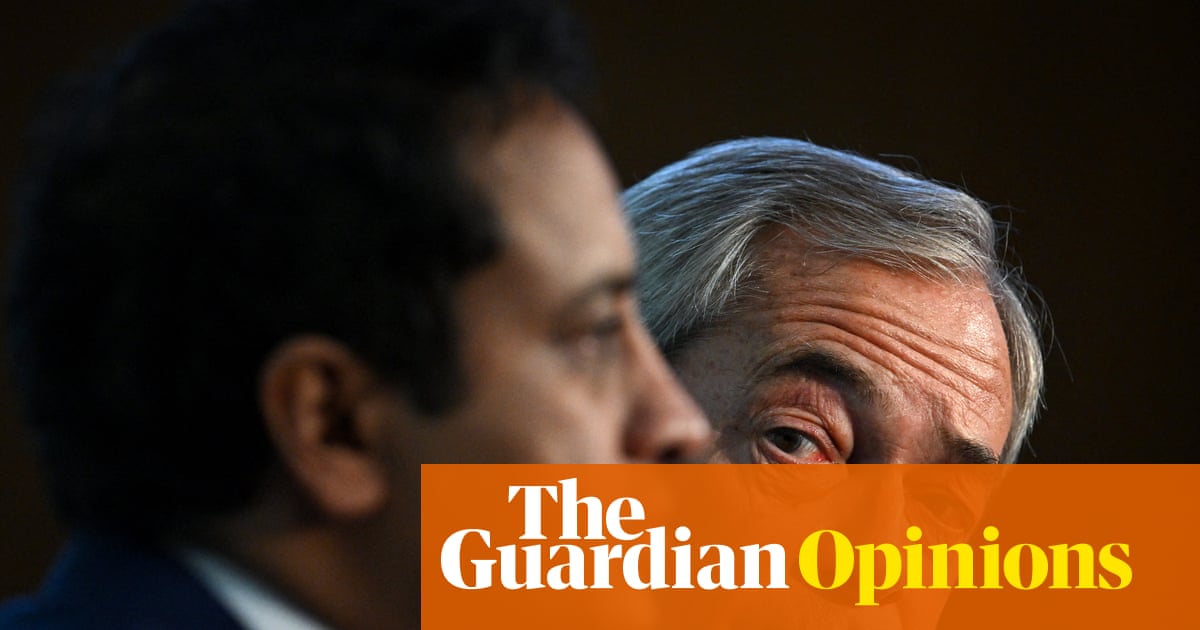
The charge is a grave one: that Rachel Reeves has just lied to Britons, spooking them into paying billions in extra taxes that she can splash out on higher benefits. However hyperbolic, this isn’t the usual Westminster sparring; this time, someone might get hurt. A week ago, critics of Reeves and Keir Starmer were, rightly, calling their budget “chaotic”. Today, it’s denounced as lies, and Kemi Badenoch is demanding the chancellor quit.
It’s an accusation that demands straightforward answers, so let me give mine. Did the chancellor tell lies? On the available evidence, no. There were no whoppers, no falsehoods, no porkies. But despite Starmer’s comments yesterday, that doesn’t mean there’s nothing to see here and we can all move along. Reeves did mislead the public about the factors shaping her decisions. Was it all to funnel cash to “benefits street”, as the Tories claim? No, and the figures prove it.
Reeves has sustained another hit to her reputation but, if facts still have anything to do with politics, Badenoch should call off her lynch mob. Perhaps the resignation yesterday of the Office for Budget Responsibility (OBR) chief, Richard Hughes, over the leak of its own documents will quench SW1’s thirst for blood.
Yet the real tale is far stranger than the headlines suggest, and stretches wider and further than the careers of Starmer and the class of ’24. At its heart, this is a story about how much say you and I get in the running of our own country. And it should worry you.
First, to brass tacks. When the OBR published last Friday some of the forecasts it shared with Reeves as she wrote the red book, the shock was immediate. Not only had the OBR never done such a thing before (an “unusual step” as the watchdog wryly said), its numbers apparently contradicted the chancellor’s words. Even as leaks from Westminster were about how bleak the budget would have to be, the OBR’s own predictions were improving.
Take the government’s most “iron-clad” rule, that by 2030 daily spending on hospitals and schools and the rest would be wholly funded by taxes: at the end of October, the watchdog reckoned it would just about be met, albeit by a tiny margin.
A few days later, Reeves gave a press conference so extraordinary it forced breakfast TV to break from its usual fare. Weeks before the actual budget, the country was put on alert: taxes were going up, and the main reason was gloomy numbers from the OBR, in particular its finding that the UK was less productive, putting more into its economy but getting less out.
And lo! It came to pass. Despite what Telegraph editorials and Tory broadcast rounds implied over the weekend, this is essentially what happened at the budget, which was big and painful and bleak.
Where Reeves misled us was her alibi, because those OBR forecasts didn’t force her hand. She could have made other choices; she could have given other reasons, including on budget day itself. Before last year’s election, Starmer promised exactly such people power. “The hope of democracy. The power of the vote. The potential for national renewal.”
A year on, and it’s powerlessness that jumps out from Reeves’s breakfast speech. Our first Labour chancellor in 15 years casts herself as an apolitical figure buffeted by forces beyond her control: “In the context of the long-term challenges on our productivity … any chancellor of any party would be standing here today, facing the choices that I face.”
She did make a choice, just not one Labour cares to broadcast. From April 2029 British workers and businesses will be paying another £26bn a year in tax – and most of that will not be spent on better hospitals or new libraries or happier lives. Whatever bilge comes from Nigel Farage, Badenoch and others, it isn’t getting splashed on “benefits street”.
Rather than being spent, more than 50% of the extra cash will instead give Reeves a buffer against her own fiscal rules. About 25% goes on paying for the government’s own U-turns. Examining the OBR’s calculations and being as generous as possible to a Labour chancellor, only 17% of the taxes will go on actual new spending, such as scrapping the two-child cap on child benefit. Its abolition “costs” the Treasury a mere £2.5bn, because it was always a bit of theatrical cruelty by George Osborne. A Labour government could and should have binned it in its first 100 days (although everyone was of course very busy with Sue Gray).
The Tories, Reform and the entire Blue Pravda have spent days barking about how Reeves fits the stereotype of Labour chancellors, soaking strivers to spend on shirkers. Labour backbenchers have been cheering her budget as balm for their troubled consciences, protecting the most vulnerable. Both sides are 180-degrees wrong: Reeves’s budget was largely aimed at asset managers, hedge funds and the others in the bond markets.
Downing Street can make a strong case for itself. The margins forecast by the OBR were too small for comfort, especially considering bond investors charge the UK the highest interest rate of all G7 rich countries – higher than France, which lost a prime minister in October, higher than Japan which has way more debt. Coupled with our measures to hold down fuel bills, prescription charges and train fares, Starmer and Reeves can say, this budget allows the Bank of England to cut its key lending rate.
after newsletter promotion
You can see why those folk with red rosettes might not couch it in such terms next time they’re on #Labourdoorstep. As one independent adviser to Downing Street says, Reeves has “weaponised” the bond market as an instrument of discipline against her own party and the voters. It’s the reason the chancellor can’t resign, no matter what promises she breaks. It’s the reason Labour MPs will have to knuckle down and vote to take billions off social security, as Starmer promised yesterday.
What’s missing from this is any sense of statecraft, of mobilising the Treasury and the Bank to reach a new accommodation with markets. Also absent is any intuitive knowledge of voters, who were promised change. However hard the kicking given to Rishi Sunak last summer, one facet of the budget – from income-tax thresholds to the overall tax burden to our dependence on the kindness of strangers to finance our borrowing – is how far the UK remains stuck on the same sinking trajectory he set out in the wake of Brexit and Covid. Britain clings on to an exhausted 40-year-old economic model, to which it makes odd small adjustments in the hope they will change things. But they don’t. Performing a Thatcherite raindance (à la Truss) didn’t alter course; acting like grown-ups and repeating the phrase “world-leading” hasn’t helped.
When working-class Americans turned out to vote last year, many said they were protesting against “the uniparty”: . However unfair the term, one understood its significance: the calcified consensus that meant Democrats and moderate Republicans couldn’t respond to their needs. Just over a year into the first Labour government since 2010, the British are being shown their own uniparty: a Westminster class too removed from voters to represent them, focused instead on court politics and presenting data centres for AI as golden investment. In the US, the uniparty got beaten by Donald Trump. What replaces the British version? Just take a guess.
-
Aditya Chakrabortty is a Guardian columnist