.png) 2 months ago
48
2 months ago
48
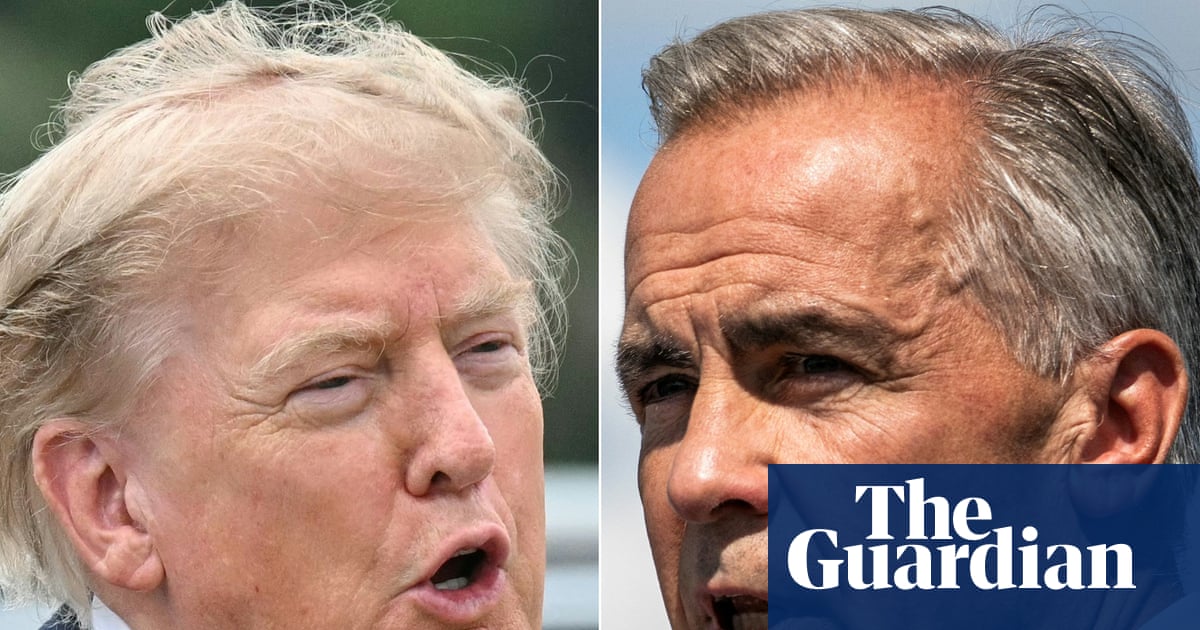
On 18 June, JD Vance stood in the White House press briefing room and tore into Israeli critics of the Iran deal that his boss, Donald Trump, had signed the previous day. The vice-president argued that Trump was the only world leader who was still sympathetic to Israel after nearly three years of wars and destruction across the Middle East. “If I was in the cabinet of the Israeli government,” Vance said, “I might not be attacking the only powerful ally that I have anywhere left in the entire world.”
Vance also pointed out that, during the recent US-Israeli war on Iran, two-thirds of the defensive weapons used to protect Israel from Iranian retaliation “have been built by American hands and paid for by American tax dollars”. Vance publicly scolded Israel’s leaders in a way they have rarely been criticized by a high-level US politician. And while Vance did not directly target his criticism at the Israeli prime minister, Benjamin Netanyahu, the subtext was clear: the Trump administration is willing to call out the Israeli leader for sabotaging ceasefire agreements so that he could prolong regional wars and maintain power.
Over the past few weeks, Trump and several of his advisers have told reporters (or strategically leaked) that the president has had enough of Netanyahu’s obstinacy and resistance to a ceasefire with Iran. In a recent phone call, Trump reportedly called the Israeli premier “fucking crazy” – and the president himself later told Axios that Netanyahu “has no fucking judgment”. On 7 June, Trump told the Financial Times that Netanyahu had no choice but to accept the ceasefire: “I call all the shots. He doesn’t call the shots.”
Trump and his aides played this game before, leaking their supposed displeasure with Netanyahu but not following through by withholding the US weapons that enabled Israel to continue its wars in Gaza, Lebanon and elsewhere. After the October 2023 Hamas attacks, Israel received tens of billions of dollars in US military assistance and unconditional political support, starting with Joe Biden’s administration and continuing under Trump. With no limits imposed by either administration, Netanyahu concluded that Israel can bomb virtually anyone in the Middle East. By the fall of 2025, Israel had unleashed a genocidal war on Gaza and also attacked Iran, Lebanon, Syria, Yemen and Qatar.
Will Trump finally restrain Netanyahu? Will the president prevent his ally from undermining US negotiations with Iran, which started last week and are supposed to conclude in 60 days with a larger deal on Tehran’s nuclear program? The test will come in Lebanon, where Israel has occupied a swath of the south and continued its attacks despite multiple ceasefires negotiated with the Lebanese government and Hezbollah, a militia allied with Iran. US intelligence agencies recently warned Trump that Netanyahu will probably try to sabotage a peace agreement with Iran’s leaders.
Iran has made clear that the latest ceasefire must apply on all fronts, including Lebanon, and Tehran has pushed the Trump administration to pressure Israel to withdraw its troops from Lebanese territory. Otherwise, Iranian leaders threatened to walk away from negotiations and once again close the strait of Hormuz, through which a fifth of global oil and liquid gas supplies passed before Iran shut it during the war. Trump celebrated reopening the waterway as one of the biggest accomplishments of the interim deal he signed with Tehran last week.
Trump has more incentive to impose limits on Netanyahu, after the Israeli leader spent months persuading Trump to launch a war aimed at toppling the Iranian regime. But the gambit backfired as Iran withstood weeks of severe bombing by the US and Israel, two of the world’s most powerful militaries. Tehran also retaliated with missile strikes against American military bases across the Middle East; it targeted the energy infrastructure of its Gulf neighbors; and it threatened to trigger a global recession by closing the strait of Hormuz.
Trump doesn’t like to admit any failure, and he may eventually blame his botched Iran war on Netanyahu. But to do so, Trump needs an agreement with Tehran that allows him to declare victory and move on from the conflict. And that deal will be at risk as long as Israel continues its war in Lebanon.
Once the joint US-Israeli attack on Iran started on 28 February, the conflict quickly expanded to Lebanon, where Israel and Hezbollah have fought multiple wars. On 2 March, in retaliation for the killing of Iran’s supreme leader, Ayatollah Ali Khamenei, Hezbollah fired a volley of rockets at Israel. That led to a massive Israeli bombing campaign and a ground invasion that forcibly displaced more than 1 million people, a fifth of Lebanon’s population.
After the US and Iran reached an initial ceasefire on 7 April, Pakistan’s prime minister, Shehbaz Sharif, who helped negotiate the deal, insisted it would include Lebanon. But Netanyahu quickly declared that Israel was not bound by that agreement. On 8 April, Israel carried out one of the worst mass killings in Lebanon’s history, using dozens of warplanes to bomb more than 100 targets across the country in the span of 10 minutes. The attacks killed at least 350 people and wounded more than 1,200. The Israeli military claimed it had targeted Hezbollah “command centers” in an operation it named “Eternal Darkness”.
Israeli leaders openly threatened to replicate their Gaza playbook in southern Lebanon: intense aerial bombardment that leads to the large-scale displacement of civilians; the destruction of civilian infrastructure, including schools and hospitals; and the systematic razing of housing in Lebanese towns near Israel’s border, to make way for a so-called “security zone” occupied by the Israeli military. In late March, the defense minister, Israel Katz, said his troops would destroy “all houses” in Lebanese border villages “in accordance with the model used in Rafah and Beit Hanoun in Gaza”.
The US and other western powers said little about Israel’s threats to repeat the war crimes it had committed in Gaza. But Trump began to focus more closely on Lebanon when Israel’s continued attacks and fighting with Hezbollah endangered the wider ceasefire with Iran. On 1 June, Trump had an expletive-filled call with Netanyahu, in which he berated the Israeli premier for expanding attacks in southern Lebanon and threatening to bomb Beirut. “You’re fucking crazy. You’d be in prison if it weren’t for me,” Trump reportedly told Netanyahu, after Iran threatened to abandon negotiations with the US. “I’m saving your ass. Everybody hates you now. Everybody hates Israel because of this.”
Two weeks later, speaking at a G7 summit, Trump publicly criticized Israel’s brutal military tactics in Lebanon, which have killed more than 4,100 people since early March. “Too many people have been killed,” Trump said. “You don’t have to knock down an apartment house every time you’re looking for somebody, because there are a lot of people in those apartment houses, and they’re not all Hezbollah.”
The question now is whether Trump is willing to back up his anger at Netanyahu with action – by threatening to withhold US weapons and other support unless Israel withdraws from Lebanon. That could determine the fate of Trump’s elusive peace deal with Iran.
-
Mohamad Bazzi is a Guardian US columnist. He is also director of the Center for Near Eastern Studies and a journalism professor at New York University