.png) 2 months ago
65
2 months ago
65
The Ugandan government has stopped granting asylum and refugee status to people from Eritrea, Somalia and Ethiopia, citing severe funding shortfalls for the significant policy shift.
Hillary Onek, Uganda’s minister for refugees, announced that the government would no longer grant the status to new arrivals from countries “not experiencing war”.
“I have instructed our officers not to give refugee status to citizens from those countries … especially those coming from Eritrea, Ethiopia and Somalia, because there is no war there,” he said late last week.
The decision, from a country seen as one of the world’s most progressive in its approach to migration, has raised concerns that thousands of people will be left in legal and humanitarian limbo.
Onek put the blame on a lack of money. “The situation is dire, and it is our people who shoulder those costs,” he said.
“Uganda used to get $240m per year from [the UN refugee agency] UNHCR, but with an increased refugee population of almost 2 million people, we now get less than $100m,” Onek said, adding that this year, the country had received only $18m (£14m).
The minister was speaking at the handover of 2,544 tonnes of rice donated by South Korea to the UN World Food Programme (WFP), which will support about 600,000 refugees across 13 settlements. The contribution, worth $2.9m, was received at the UN agency’s warehouse in the northern Ugandan city of Gulu.
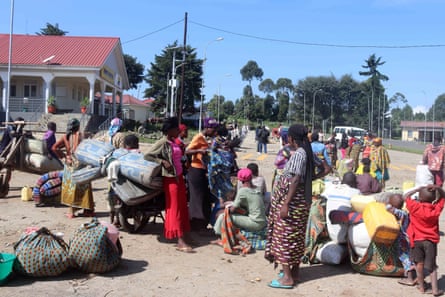
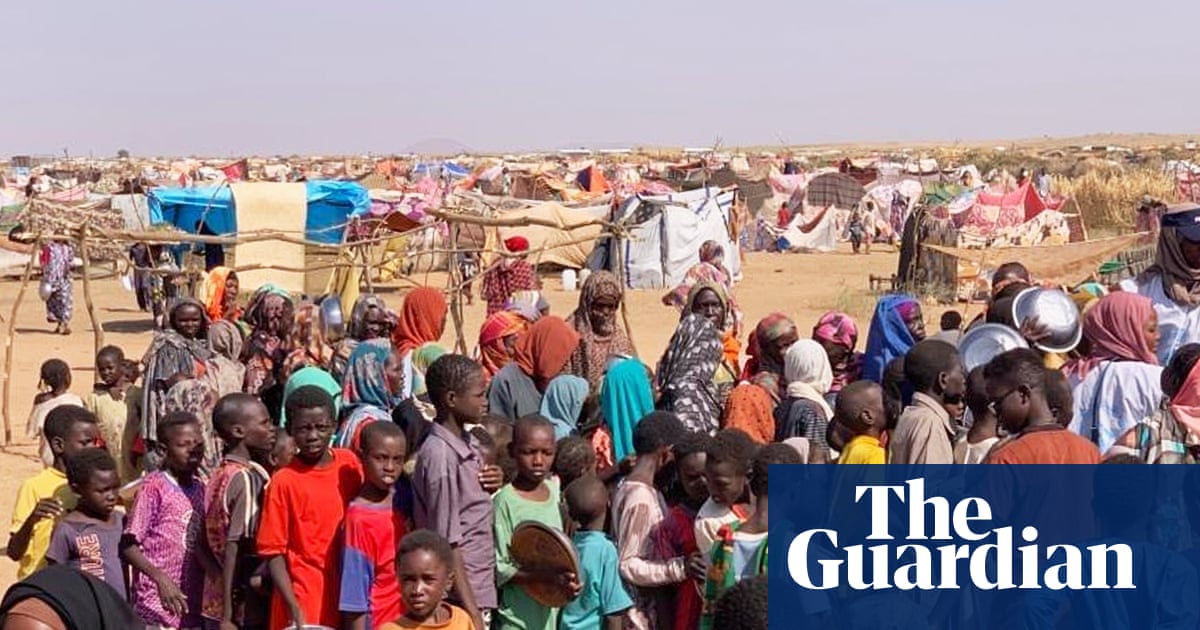
Uganda hosts an asylum and refugee population of nearly 2 million – the largest in Africa – including more than 56,000 Eritreans, nearly 50,000 Somalis and about 16,000 Ethiopians, according to UNHCR. Many have fled forced conscription, political or religious persecution, and climate crisis-related crises.
One Eritrean refugee official based in Uganda’s capital, Kampala, speaking on condition of anonymity, said: “This is a very complicated matter and has a life-threatening risk. It’s a very dangerous move that puts at risk the lives of hundreds of people.”
Donald Trump’s freeze on US aid spending and the UK’s planned reduction in aid spending from 0.5% of gross national income to 0.3% by 2027 are among the cuts that have badly hit Uganda’s ability to look after refugees and will, analysts say, push people into displaced person camps or back into conflict zones.
Abdullahi Halakhe, a senior advocate at the humanitarian organisation Refugees International, said Uganda’s directive was part of a larger global clampdown. “For many refugees affected, this will be a massive blow,” he said.
“They cannot go back to their home country; they cannot have third-country resettlement; and they cannot be integrated in the country of refugees. They’re left in a limbo,” Halakhe said.
Uganda’s 2025 refugee response plan, budgeted at $968m, remains severely underfunded, with the UNHCR saying in August that only 25% had been secured, raising concerns over the country’s ability to sustain essential services and threatening to undo years of progress for its refugee population.
The announcement marks a big shift for Uganda, which has long had a more liberal policy towards arrivals from other countries, with refugees allowed to work in the country and access public services.
Halakhe said: “It’s a massive step backwards from Uganda after years of being a leader in a progressive refugee policy.”
In February, the WFP cut food rations for a million people in the east African country amid a funding crisis after severe cuts in aid from the US and European countries, raising fears that refugees and asylum seekers would be pushed back into countries at war.
The UNHCR was approached for comment.