.png) 3 months ago
82
3 months ago
82
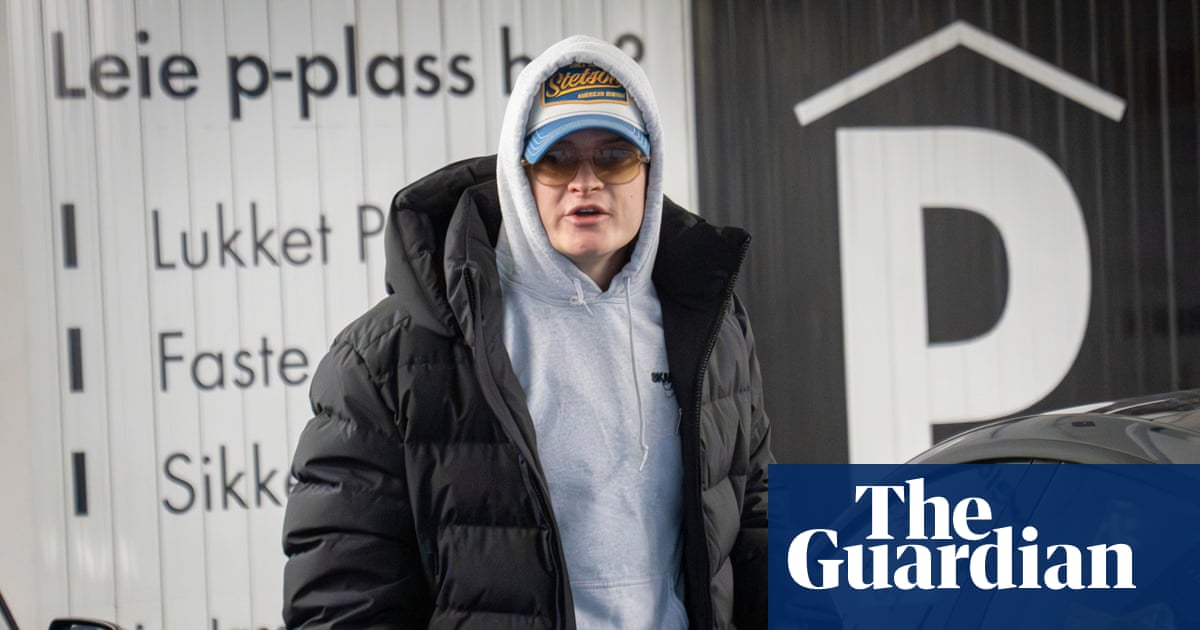
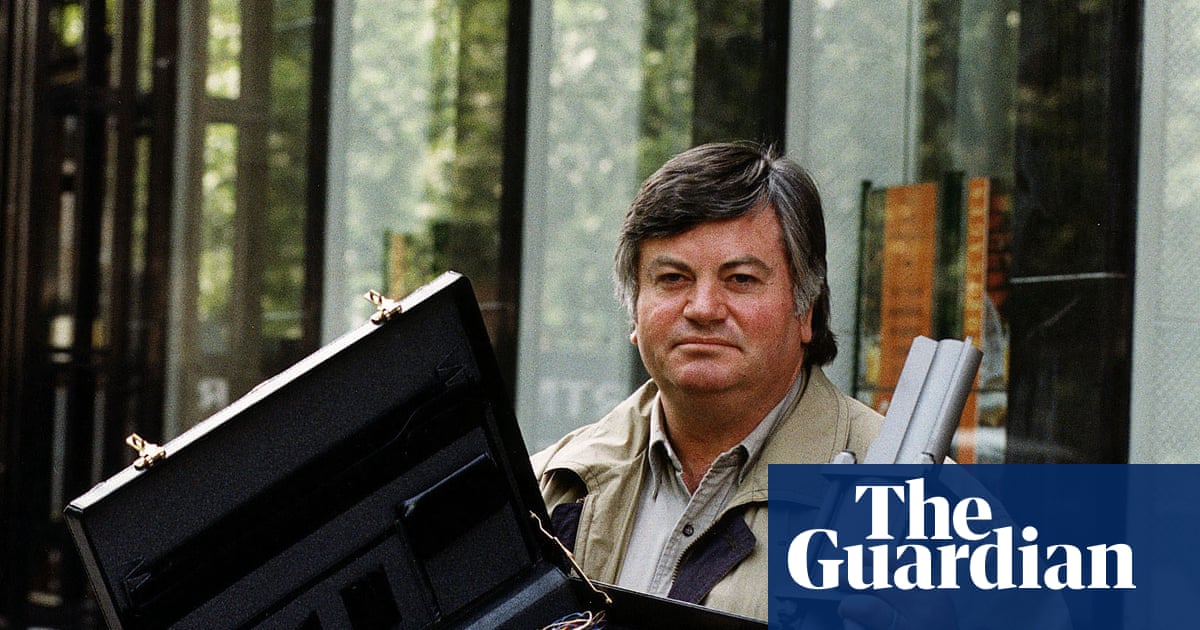
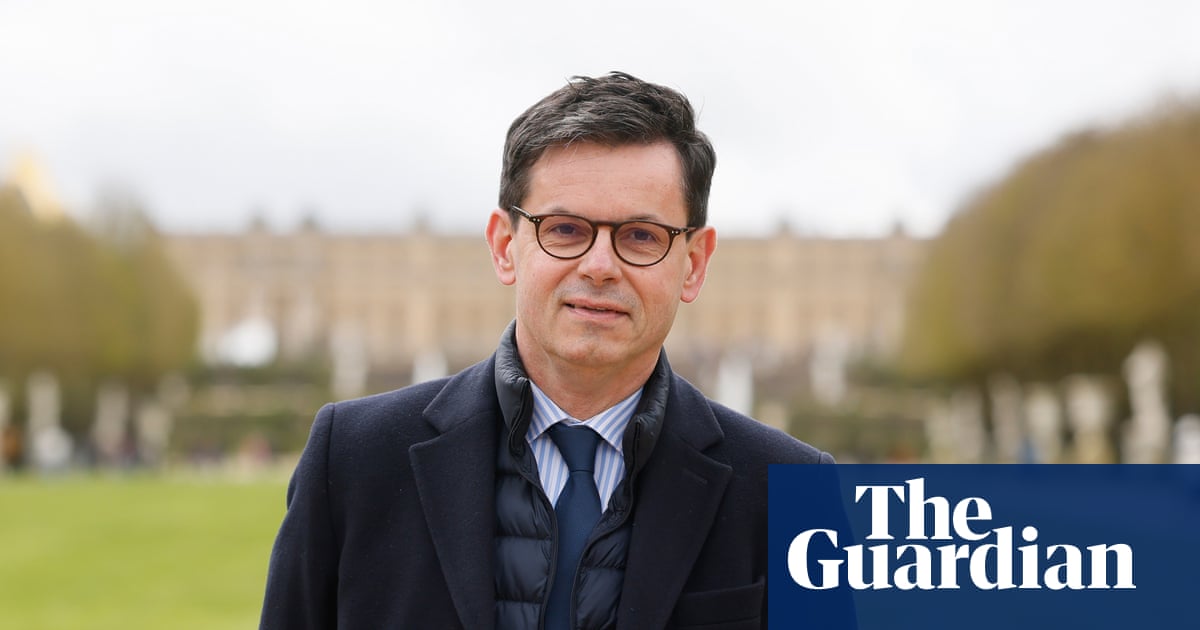
A surgeon who was cleared by a tribunal of alleged antisemitism and support for terrorism has accused his regulator of seeking a “politically acceptable” outcome after it announced it would appeal against the decision to the high court.
Dr Ghassan Abu-Sittah, who gave testimony to the international criminal court on Israel’s assault on Gaza and is the rector of the University of Glasgow, was cleared of misconduct by the Medical Practitioners Tribunal Service (MPTS) in January.
But the decision to appeal by the General Medical Council (GMC), which brought the case after a complaint by the lobby group UK Lawyers for Israel (UKLFI), means he is trying to crowdfund £150,000 to defend himself again.
“When the MPTS rejected the allegations, I felt that a two-year period of continuous harassment and attempts to undermine my credibility, including my evidence before the ICC [international criminal court] and ICJ [international court of justice], had finally come to an end.” said Abu-Sittah.
His case was initially heard by an interim orders tribunal, which said it was “unable to accept the GMC’s submission that there was a risk that Dr Abu-Sitta would discriminate against Jewish or Israeli patients because the only evidence before the tribunal on this point suggested the contrary”. He was then cleared at a full hearing at the MPTS.
“What the GMC is saying is that it will keep going until it gets the decision it deems politically acceptable,” said Abu-Sittah.
“The significant cost of pursuing this appeal, borne by fee-paying GMC members, raises serious questions about the degree of external political pressure being exerted on the regulator.”
The government has said it intends to remove the GMC’s right of appeal, something the regulator’s chief executive, Charlie Massey, told a parliamentary committee in January that it was “reconciled to”. The change has been in the pipeline for years, with a 2018 review describing a perception that the regulator was “having two opportunities to make its case – first in putting its case for a sanction to the MPTS and then appealing the MPTS decision if it doesn’t ‘agree’ with the GMC’s view”.
The case against Abu-Sittah related to a newspaper article he wrote for a Lebanese newspaper and two posts on X.
Ian Comfort, the chair of the panel, said the tribunal did not “cherrypick” quotes from the article but considered it in its entirety and could not identify anything that was antisemitic or supportive of terrorism or violence.
The barrister said the tweets, which related to Hamas and the Popular Front for the Liberation of Palestine, could not be seen as inciting or supporting violence or terrorism.
Abu-Sittah said: “I do not, and have never, supported violence against civilians. The allegations made against me were rejected by the tribunal and, in my view, form part of a broader attempt to discredit my professional and humanitarian work.”
He said he had received an “outpouring of support from Jewish colleagues, patients and even Israeli co-workers who submitted testimonials to the GMC tribunals”.
A GMC spokesperson said exercising its right of appeal “is something we do with great care and only after detailed consideration. Our focus is protecting the public, and we are satisfied given the nature of the allegations that it is right that we appeal.”
A spokesperson for UKLFI said: “UKLFI has nothing to do with the GMC’s appeal of the Medical Practitioners Tribunal Service decision.
“UKLFI has made its own complaint to the Professional Standards Authority, about the way the GMC prosecuted the case against Dr Abu-Sittah, and about the decision of the MPTS. For example, the GMC failed to present most of the evidence to the MPTS regarding Dr Abu-Sittah’s course of conduct in commemorating and supporting terrorism.”