.png) 3 months ago
66
3 months ago
66
-
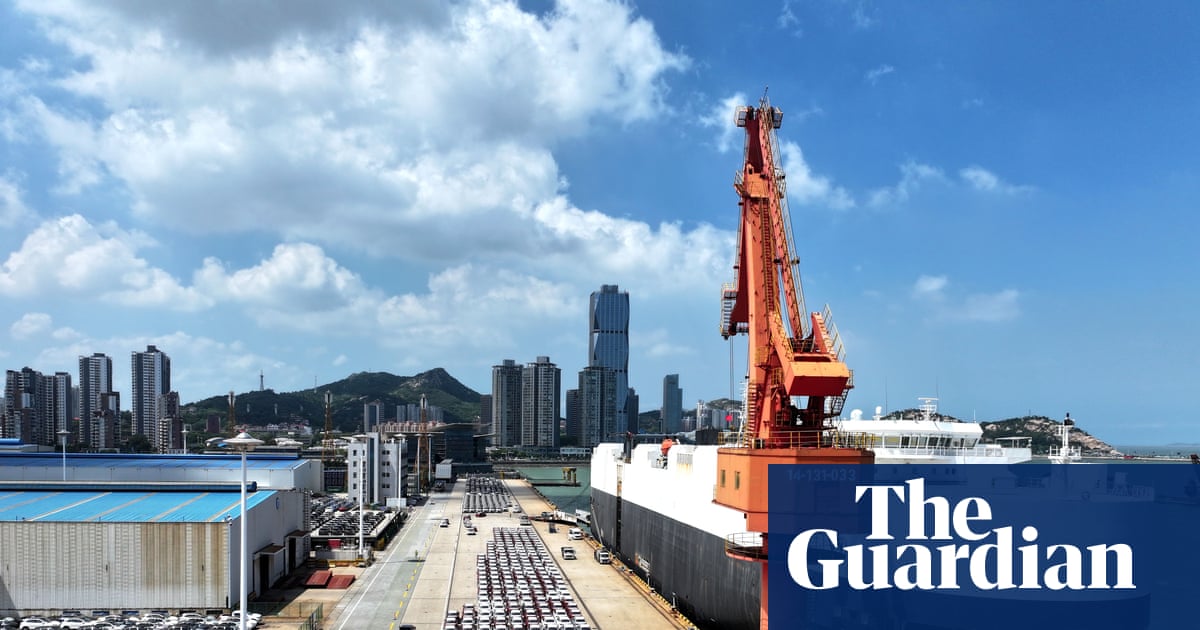
A ship carrying what is said to be stolen Ukrainian grain did not unload in Israel after a week of heavy condemnation from Kyiv. The Ukrainian president, Volodymyr Zelenskyy, signalled there would be “a more systematic” campaign against vessels carrying grain exported illegally by Russia from occupied areas of Ukraine. “We will systematically act against the shadow grain fleet, in the same way we act against the shadow oil fleet.” Ukraine’s prosecutor general, Ruslan Kravchenko, said the vessel, Panormitis, left Israel’s territorial waters for neutral seas following “a range of procedural measures taken by Ukraine”.
-
Andrii Sybiha, the foreign minister in Kyiv, said Ukraine would continue to track the vessel and warn against any operations with it. “This is also a clear signal to all other vessels, captains, operators, insurers, and governments: do not buy stolen Ukrainian grain. Do not become part of this crime.” The Panama-flagged vessel’s manager was not immediately available for comment. The Jerusalem Post and other outlets on Thursday cited a statement from Israel’s grain importers association saying that the company importing the grain had been forced to turn away the vessel.
-
Zenziper, the company named in the reports as the importer, did not immediately respond to an emailed request for comment. Radio Sweden meanwhile reported that Swedish authorities had move to seize another bulk carrier, the Caffa, with other reports adding that the seizure related to the illegal export of Ukrainian-grown grain.
-
Ukraine’s SBU security service said its drones made a second attack in two days on oil facilities at Perm, deep inside Russia, this time hitting an oil refinery. The Lukoil-owned refinery at Perm, located more than 1,500km (900 miles) from Ukraine, is one of the largest in Russia and has a capacity of nearly 13m metric tonnes per year, the SBU said.
-
Ukraine’s military also struck a refinery in the Russian city of Orsk in southern Orenburg region, triggering a fire. “The Orsknefteorgsintez oil refinery [Orsk in Orenburg region] was hit,” the general staff said. “A strike was recorded, followed by a fire on the territory of the enterprise. The facility is involved in supplying the Russian occupation army.”
-
An explosion killed an army officer in a closed-off military town in Russia’s far east this week, Pjotr Sauer writes, in what appeared to be an attempt to target a more senior commander known as the “Butcher of Bucha”. Three sources familiar with the incident said the bomb detonated in a residential block in Knyaze-Volkonskoye-1, the home of Maj Gen Azatbek Omurbekov, who commanded Russian troops during the bloody occupation of the Ukrainian town. Two sources said the assailant put the bomb in the wrong place, killing a subordinate while Omurbekov was not injured. Neither Russia nor Ukraine commented on the incident. The EU has placed sanctions on Omurbekov over the Bucha massacre where Russian troops are accused of killing more than 400 civilians.
-
Japan’s relaxation of its weapons-exports rules means Tokyo might one day supply military equipment to help Ukraine resist Russia’s invasion, Kyiv’s ambassador to Japan, Yurii Lutovinov, has told the Reuters news agency. A Japanese drone firm, Terra Drone, is to increase its investment in Ukrainian defence tech by partnering with Ukraine’s WinnyLab, the Kyiv Independent reports. Terra Drones already has a partnership with Amazing Drones, a Kharkiv company.
-
Justin McCurry, the Guardian’s Tokyo correspondent, writes that Ukraine is not on a list of 17 countries that have signed defence equipment and technology transfer agreements with Japan. Arms sales will initially be confined to those countries, which include the US, Britain and Australia, meaning any agreement with Kyiv could be a long way off. Despite its support for Ukraine, Japan’s ability to supply it with arms are further complicated by Tokyo’s energy ties with Moscow. Japan imports Russia liquefied natural gas from the Sakhalin-2 oil and gas project – in which the Japanese companies Mitsui and Mitsubishi have a stake – on Russia’s far east island of Sakhalin. The project accounts for almost 9% of Japan’s total LNG imports.
-
Discussions were also under way about Japan contributing to Europe’s Purl programme which buys US-made equipment for Kyiv, Lutovinov said. The Japanese government of Sanae Takaichi plans to unveil a defence strategy and military procurement plan this year that is expected to call for a significant increase in the air, sea and land drones of the kind that Kyiv has used to defend against Russian attacks. But there has been no Japanese government announcement about arming Ukraine directly or contributing to Purl.