.png) 3 hours ago
3
3 hours ago
3
The world’s biggest ultra-processed food corporations are hindering global efforts to tackle the obesity crisis by suing governments that try to promote healthier diets, the head of the World Health Organization has said.
Tedros Adhanom Ghebreyesus, the WHO director general, accused global food companies of obstructing the adoption of vital public health measures and costing countries billions of dollars in healthcare and legal costs in the process.
Almost 1 billion people worldwide are living with obesity, and unhealthy diets are one of the main drivers of heart disease, type 2 diabetes and cancer. Ultra-processed food (UPF) consumption is soaring and now makes up half the average diet in many countries, including the UK, the US and Australia.
Governments around the world, waking up to the health and economic impacts of the obesity crisis, have begun introducing measures designed to curb junk-food intake and promote healthier diets. These include front-of-pack warning labels, marketing and advertising restrictions on unhealthy products, and taxes on junk food.
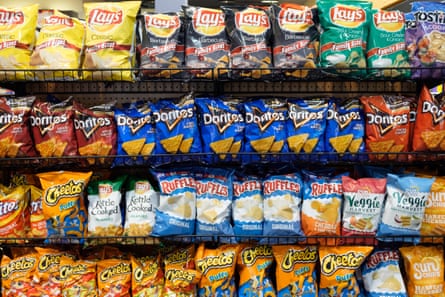
Publicly, the world’s biggest UPF companies insist they back the policies, want to help consumers make informed choices and are committed to being part of the solution.
But an investigation by the Guardian, in collaboration with academics, the non-profit newsroom Lighthouse Reports and a coalition of media partners across four continents, found many of these same companies were taking governments to court to overturn, weaken or delay the policies.
In total, 235 lawsuits were lodged over health policies targeting UPFs in Mexico, Colombia, Brazil, the US and the UK from 2010 to 2025, the investigation found.
“The findings of the global investigation by the Guardian and other outlets into ultra-processed food come as no surprise, but they are met with grim recognition,” Tedros said. “When harm and profit are tied to the same product, a familiar pattern of industry interference emerges: sowing doubt and obstructing regulation.”
Of the resolved lawsuits, three-quarters were lost by the food corporations. But even the unsuccessful cases delayed the adoption of vital public health measures for years, while also tying up government and public health officials in complex and expensive litigation.
While most lawsuits were eventually won by governments, the persistent and intensive litigation by UPF companies suggests other objectives beyond winning: slowing down the rollout of new laws, and crushing the desire and ability of other countries and regulators to adopt similar policies.
Crucially, the lawsuits have had the effect of prolonging the deadly and growing global obesity crisis, costing countries billions of dollars in legal and healthcare costs, Tedros said.
“The report documents how litigation has been used to oppose or weaken public health measures on obesity and unhealthy diets, amounting to nearly 600 cumulative years of costly legal battles, an average of 2.5 years per case, most of them unsuccessful.
“These delays cost countries billions in healthcare and legal expenses and create a regulatory chill that deters governments from adopting vital protections.”

In the first multi-country analysis of its kind, the Guardian and other media outlets worked with researchers from the Robert and Ethel Kennedy Human Rights Centre, the University of Sydney, the University of São Paulo and the University of Caldas to investigate the scale of the UPF industry’s legal pushback.
Labelling on food items was the policy that governments were most sued over, followed by taxes on junk food and marketing restrictions, the investigation found.
Three-quarters of the lawsuits were filed by UPF companies or trade groups representing them. Some of the giant corporations involved in the legal cases around the world requested that courts keep their identities secret, according to documents reviewed by the Guardian.
Of the lawsuits filed by companies where the plaintiff could be identified, 38% were brought by eight parent corporations: Coca-Cola, PepsiCo, Mondelēz, Kellogg’s, Danone, Ferrero, Xignux and Heartland Food Products Group.
Tedros said he recognised that some large food companies had reported progress in making their products healthier. However, he also said that if they were serious about helping to tackle obesity, they should drop the lawsuits.
“These efforts are welcome, but they are not sufficient on their own to meet the scale of this global health crisis. To contribute meaningfully to the solution, companies should also end litigation and other tactics that strain limited government resources and hinder efforts to protect public health.”
Last year, the Guardian revealed that the UK government dropped new guidance urging shops to promote minimally processed and nutritious food after a lobbying campaign by UPF companies.
Many of the measures governments are being sued over have “proven effective in supporting healthier diets and addressing obesity”, said Tedros, with a growing number of countries “demonstrating real, measurable results”.
“Unfortunately, these policies remain concentrated in upper-middle- and high-income countries,” he added. “This reflects a broader inequity, not only in the growing burden of disease but also in governments’ capacity to respond, an inequity that litigation compounds by delaying action where the need is greatest.”
The need for global action was clear, Tedros said. “In 2024, almost 1 billion people, one in seven worldwide, were living with obesity.”
He urged governments to continue adopting the public health measures they were being sued over. “Momentum for change is building, and WHO remains committed to supporting these efforts every step of the way.”