.png) 5 hours ago
8
5 hours ago
8
When Calvin Buckley, whose pregnant partner was killed by a dangerous driver in 2023, successfully secured a tougher sentence for the man who took her life, he felt some justice had been served.
Now, under plans to release prisoners early to ease overcrowding, Adil Iqbal, who filmed himself speeding at 123mph before he crashed into 38-year-old Frankie Jules-Hough, may serve less time in prison than he would have under his original sentence.

“He could actually serve less time than he originally was going to before we appealed,” Buckley said. “We’ve fought for a tougher sentence. What is the point of having an actual sentence if the government can just reduce that?”
Victims and bereaved family members who fear perpetrators could be released early under government plans to free up prison space said they are “deeply concerned” at the prospect of dangerous offenders walking the streets.
Gemma Chappell, the great-aunt of Maya Chappell who was shaken to death aged two by her mother’s boyfriend in 2022, said the early release scheme was further traumatising bereaved families.
Maya’s mother, Dana Carr, was sentenced to nine years in prison after being found guilty of child cruelty by neglect and allowing her child’s death, but Chappell has been told she is set to be released early under the scheme.
“I think it’s terrible. I think victims are not being heard. We should be allowed to grieve, we should be allowed to have our trauma,” she said.
Chappell said it was “ridiculous” that Carr had made no admission of guilt and applied to have her sentence reduced, which was denied, but was now set to be released early anyway due to overcrowding.
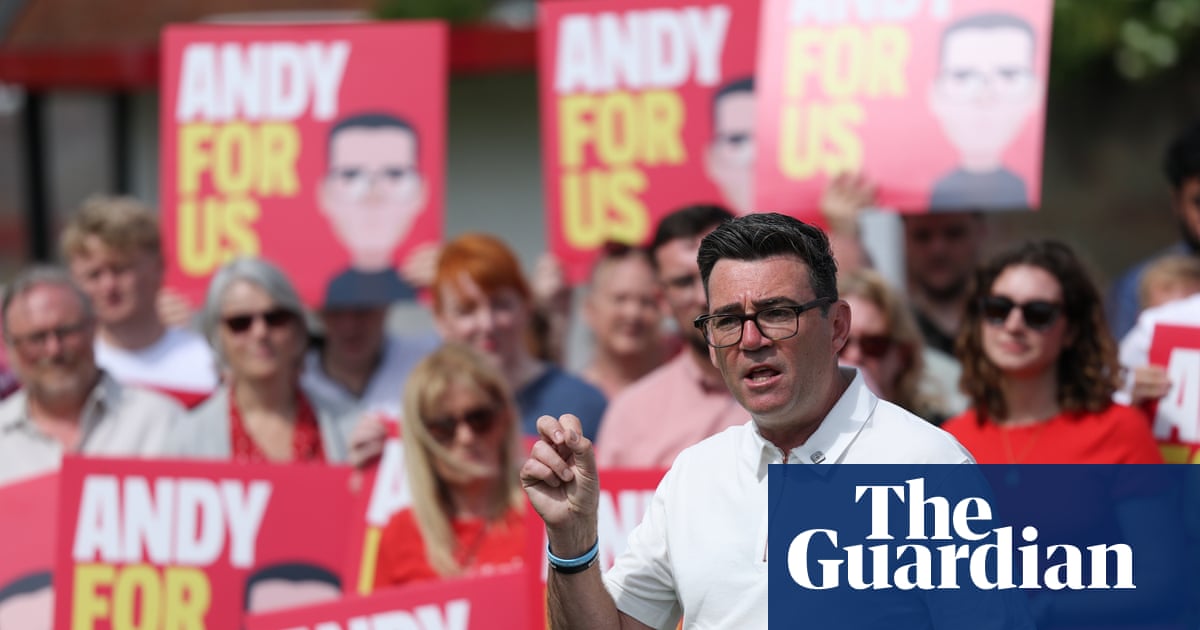
She said she welcomed Burnham’s intervention to exempt rapists, serious child sexual abuse offenders and those convicted of grooming from the early release plans but said it didn’t go far enough.
“There’s still victims and families out there who remain deeply concerned about these dangerous offenders getting out early, and we’re one of them. Justice should always be about public safety and the victim’s voice first,” she told BBC Radio 4’s Today programme.
A former prison officer, Chappell said she wanted to see the government invest more money in prison buildings instead. “Letting serious offenders out on to the street is not the answer,” she said. “We need some clarity on what’s going to happen if these offenders do get out because this affects our lifetime, not just the next couple of months.”
Buckley said he was “devastated” to find driving offenders would not be exempted from the plans. “To kill somebody and to have your [prison] sentence reduced is just not right. Our justice has been taken away,” he told BBC Breakfast.
“I understand there is a crisis, I agree that it needs to be addressed, but not at the expense of victims. For me it is another example of road victims not being treated the same as other offences.”
Iqbal was originally sentenced to 12 years for killing Jules-Hough and her unborn child, Neeve, increased to 15 years by the court of appeal under the unduly lenient sentence scheme.
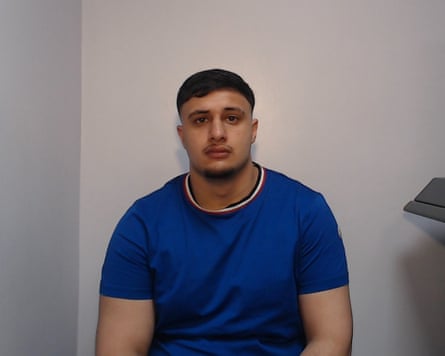
Buckley said he was told Iqbal would serve a minimum of two-thirds, or eight years, of his 12-year sentence in prison. But under the new plans, he could be eligible for release after half of his 15-year sentence, or seven-and-a-half years.
The government has also been criticised for its decision not to exempt domestic abuse perpetrators from the early release scheme.
Alice Russell-Harris, the public affairs lead at Refuge, said the organisation was “deeply alarmed” and that the move would “put many domestic abuse survivors at risk”.
She said releasing domestic abusers early would “heighten survivors’ fears for their safety” and the charity was aware that perpetrators “frequently breach conditions to continue their campaign of abuse”.
The family of PC Andrew Harper, who was killed while responding to a report of a burglary in 2019, said they were “devastated” to learn two of the men jailed for his death would still be eligible for release.
Harper was killed after being dragged behind a car for a mile. Jessie Cole and Albert Bowers, who were passengers in the car and sentenced to 13 years for manslaughter, could apply for early release after serving half of their sentences.
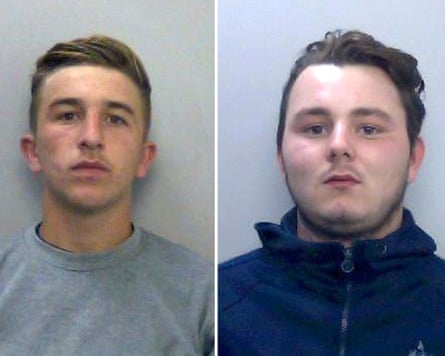
“Andrew deserves better than this and so do we,” his mother, Debbie Adlam said. “It feels like we’re letting Andrew down again. We’ve been through the justice system, we thought we’d done as best as we could. Apparently, the situation is, if nothing was done, then the prison system would fall completely. But we’re paying the price for it.”