.png) 1 hour ago
4
1 hour ago
4
We will all face death one day, but our attitude towards this is individual. How can our understanding of mortality shape our approach to life? Here, palliative care doctors and death doulas share what they know about the end – and how it informs the way they live.
Prioritise people, not things
Dr Rachel Clarke is a palliative care doctor who works at an NHS hospital in Oxfordshire and is the author of several books, including The Story of a Heart. “I have learned what matters to my patients as they approach the end of their life,” says Clarke. “All the irrelevant stuff is stripped away. No one cares about how much power they had, how big their house is, how fancy their car is, how much status they had at work. What they care about is the people they love.” In short: “The way to live a life that is rich and deeply fulfilling is to build human connections. That matters more than anything else.”
At the end of life, repairing relationships can be crucial, says Dr David Holland, a palliative care consultant who works in Norfolk. “People tend to have things they want to say, like ‘I’m sorry’, ‘I forgive you’, ‘Forgive me’, ‘I love you’ or ‘Thank you’. Not addressing those unsaid feelings can lead to people having regrets.”
Keep work in proportion
“If something is important to you, do as much of that as you can,” says Holland. “In my life, I really value what I do for work. It builds me up as a person, knowing that I can have those relationships with people and make a difference to people’s lives. It is a real privilege.”
But it is important not to get too caught up in your career, says Ruby Love, an end-of-life doula in Bristol. “I’ve never met someone at the end of life who regretted not working more or not earning more money. If we can find a balance between what we need to live on and what we need to be happy, I think that is key.”
Know that pleasure isn’t everything
“Pleasure is a very superficial experience,” says Clarke. “It can be a distraction: you can eat or drink yourself into a stupor and have a fabulous time doing it, but it isn’t going to give you a sense of fulfilment.” Deeper experiences matter more, she says. “They are the moments of joy, awe and wonder at the world around us.”
Be at one with nature
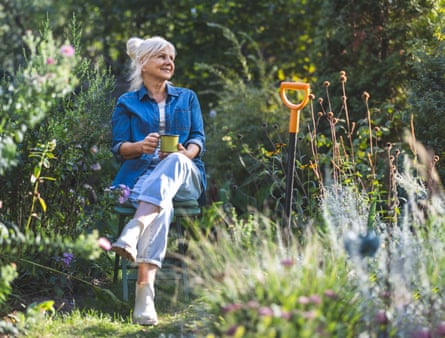
Working with people who are dying can be emotionally stressful. Holland finds relief through cultivating a plot of land. “I have always found great interest in wildlife and biodiversity,” he says. “I really enjoy being out in nature and helping things to grow.”
Clarke says:
“The richness of life comes from our relations with other living creatures, human and also non-human. It could be animals or birds or plants, but it is living connections with the wider world that give life meaning. The more you can pour yourself into those connections, the more likely you are to have a deep sense of contentment and happiness.”
Live with intention
“Most of my life was spent focusing on living without regrets,” says Tan Ming Li, an end-of-life doula in Singapore and the founder of the Life Review, a charity that helps to normalise talking about death and dying. But one day someone said to her: “If you don’t have any regrets, you are not living life enough, you’re not daring to try things, you’re just feeling safe.” This caused Tan to have a rethink. “Now, my philosophy is more about living with intention. If I get invitations, do I really want to do this? If tomorrow is my last day, how do I want to spend it?”
Focus on the small things
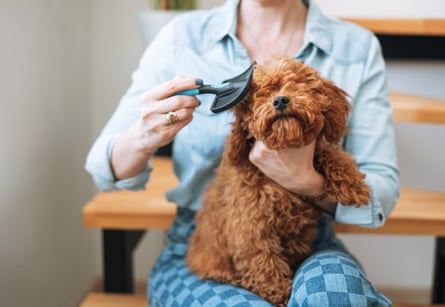
Tan says the secret to a life well lived is “not just about joy but what lights a fire in your belly”. For example: “I have a dog and I love grooming him,” says Tan. “It’s not easy and it takes a few hours. Could I have spent that time doing other things, which could be more productive in society’s eyes? Of course.” But she values this time with her dog and would never send him to a groomer.
“Value those small moments, like when the leaves first come back on the trees in the spring, or when you have a really good cup of tea,” says Love. “The big things are wonderful, but most of our life is the small things. So try to appreciate them.”
Be a completist
People often think about legacy at the end of their lives, says Holland. “I’ve had people who have wanted to hand over something important. This could be a business, memories or the building of a house.” So finish that novel, sort your family albums out, get your affairs in order.
This year, Love arranged an exhibition for a client who used to be a photographer: “It was very small and low-key, but that was something that she really wanted to do.”
Connect with others
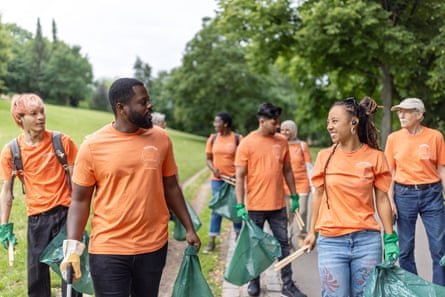
Clarke advises asking yourself: have you been a part of something that connects you to other people around you? “That could be through charitable work, working as a teacher or by being a loving figure at the centre of your family. It could be through artistic or creative endeavour. It could be a craft that you love doing and giving to your friends.”
Holland says that he values “running a kids’ football team, having an input in village life and building relationships with neighbours”.
Don’t worry about signs of ageing
“The wrinkles, grey hairs and menopausal body that I now possess are all things that society wants us to feel distressed about because they want to make money selling products to try to fix our distress,” says Clarke. “All of those stigmas associated with ageing are a blessing and a privilege to have. Anybody who is old enough to feel anxious about those things should be saying: ‘I am so lucky. I have lived long enough to creak when I get out of bed in the morning.’ These are things that so many people are not lucky enough to experience.”
Try to stay healthy – but don’t let it limit your life
“The doctor in me makes me want to look after myself,” says Holland. “But, at the same time, I see a lot of patients where medical issues happen for no reason that we can identify. Therefore, it is important not to get too hung up on things and remember that life is for living. Time is precious.”
Clarke says: “It is incredibly important to try to live healthy lives so that we can function as well as we can for as long as we can. But equally, ascetic lives are pretty hard and constrained. That is the opposite of life. Life is something to savour.
“So, try to be healthy, but don’t beat yourself up for things that are often construed as minor sins of living, like eating delicious food and drinking beautiful wine. We are sensual creatures and celebrating that is part of living life richly.
“I see health in the broadest sense and that embraces enjoying life, not just living it for as long as possible.”
Celebrate birthdays
If someone has a terminal diagnosis, Tan recommends having a living funeral, where people gather to celebrate someone’s life with them before they die. “It doesn’t have to have the word funeral in it; just have a party. I want balloons and wine and people I love to be with me,” says Tan.
If this doesn’t sit comfortably with you, or you are in good health, Tan advises to make sure you celebrate birthdays, especially big ones, as you are getting older.
Love has had clients who have wanted a living funeral, but for others this can be overwhelming, especially when they are very unwell: “If you can’t face a big event, hanging out with people in smaller groups or one on one is a form of that.”
Have a bucket list – and make it happen
“I have about 100,000 things I want to do and experience before I die,” says Clarke. Seeing otters in the wild is a longstanding ambition. “I was recently on holiday with my family in Northumberland, dutifully going to nature reserves and deserted coastlines, trying to spot otters, which still eluded me. But I did manage to see and walk among thousands of nesting puffins. That was almost as wonderful as I think seeing my first otter in the wild will be.”
Holland says: “The time when people are really poorly is important, because the knowledge of life being limited allows memories to be made and legacies to be left.” What is on his bucket list? “My son and I always talk about going to Costa Rica and seeing lots of wildlife.”
And Love? “I would like to have a baby. I would love to have more time in nature. I want to get really good at making focaccia.” She recommends focusing on achievable and regular goals: “That way, if you suddenly get hit with an accident or a terminal diagnosis, hopefully you won’t have a long list of things that you’ve never done”.
Talk about the kind of death you would like
“A good death occurs when someone is at peace with the life they have lived,” says Clarke. “And they feel a sense of peace with the person they’ve been, the actions they’ve committed and, above everything, the relationships they have had with other people.”
What sort of end of life does Clarke hope for? “My fantasy is to be a 90-year-old woman who is still engaged in and fiercely commenting on how she thinks the world should be, but also enjoying a glass of champagne with her grandchildren and doggedly going out at 5am trying to spot an otter.”
Love says: “We are avoidant of thinking about any of these things, particularly younger people and those who are in good health. But actually, if we plan now for all the potential scenarios, we can then put those plans away and focus on living. And then, if or when a scenario arises where those plans are needed, they are already there and we’re not having to make decisions when everyone’s in a stressed state or when communication becomes less possible.”
Does she have an end-of-life plan in place? “I’m in my early 30s and I am starting to do my own planning. My work has taught me that you have to make the most of what you have, every day. So go to see your friend, do something fun – because life isn’t infinite.”