.png) 3 months ago
78
3 months ago
78
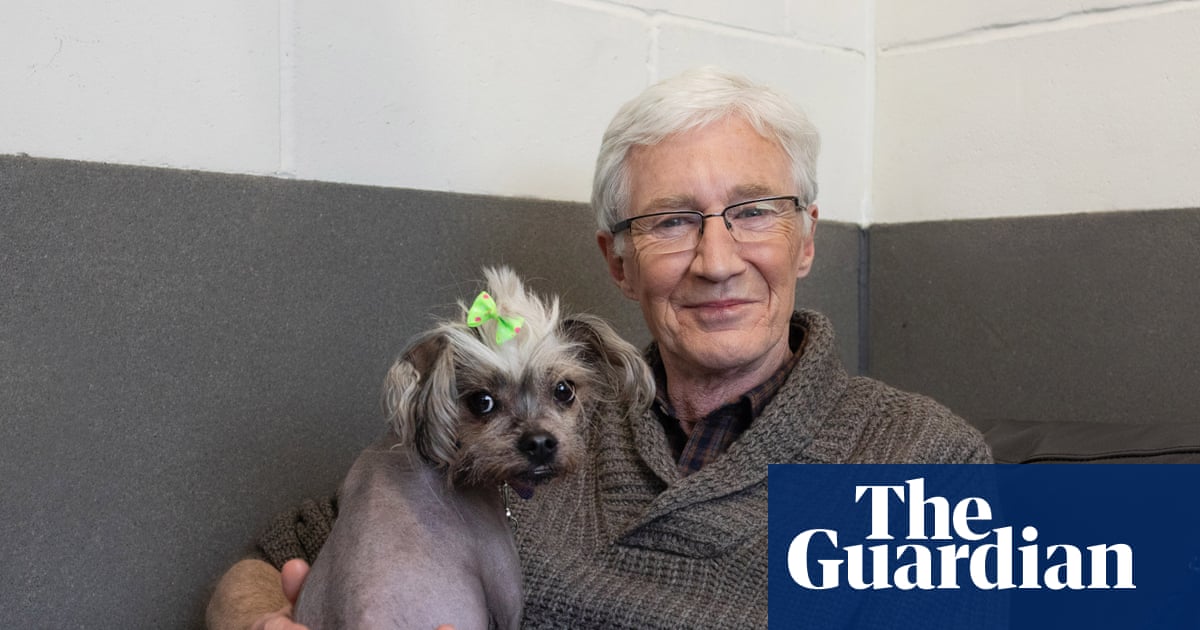
Penny Lancaster was 50 when she retrained as a special constable. Wrangling Saturday night drunks and shoplifters might seem an odd fit for the ex-model and wife of Sir Rod Stewart; she got the idea after making a Channel 4 show in which she temporarily swapped jobs with a police officer. But to Lancaster, who has previously disclosed that she was sexually assaulted as a teenager by a senior figure in the fashion industry, it makes perfect sense: she has said her weekly shifts with City of London police are a way of dealing with things that happened to her as a younger woman, where “the suspects never got found, justice was never had”.
Buried memories have a habit of resurfacing in middle age. But with them sometimes comes a fierce urge to be useful: to make changes in your working life while there’s still time, look out for other people’s kids now your own are nearly grown and pass on life lessons you didn’t realise at the time were valuable. On a policing podcast recently, Lancaster talked about drawing on her experience as a mother of teenagers to talk down a suicidal 19-year-old who approached her on a bridge. Not everything in policing, she pointed out, is about chasing bad guys down the street. Steadiness, patience and emotional maturity matter too.
All of which makes her an interesting choice to serve on a new commission set up by the rightwing Centre for Social Justice thinktank examining what it calls “a midlife crisis for the economy”, or its reckoning that 2.15 million men and women aged 50 to 64 are now on out-of-work benefits.
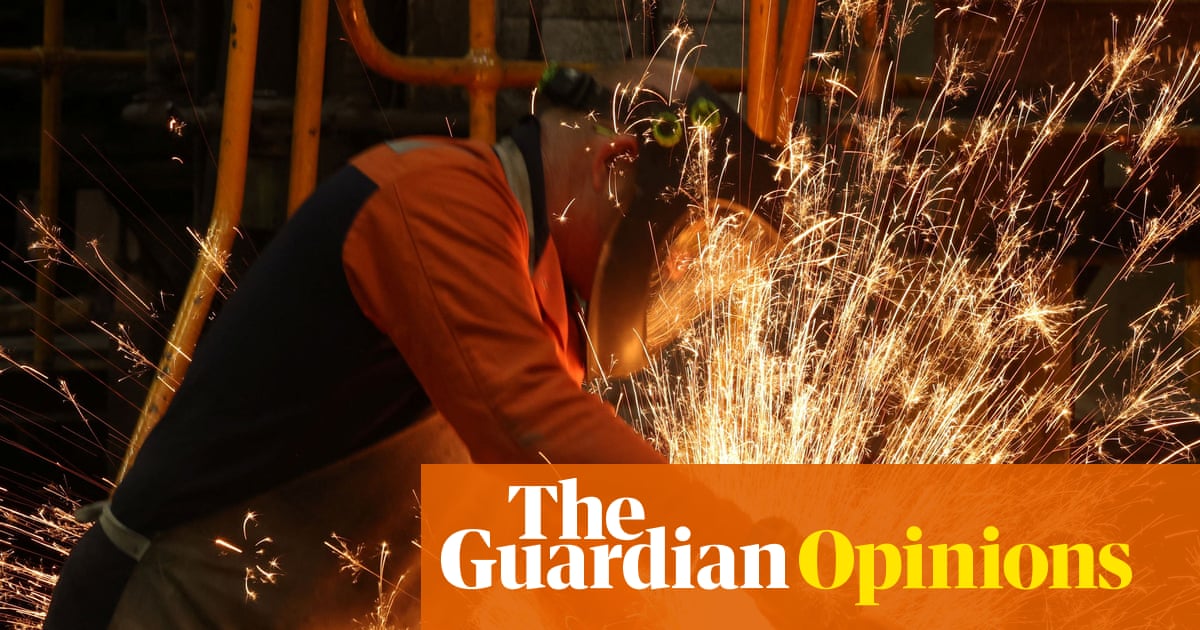
You’d never know it from headlines about gen Z supposedly being too anxious to work, but the middle-aged with their dodgy knees, backs or hearts still make up a significant chunk of those on sickness benefits. (They’re also the age group acutely vulnerable to being pushed out of work by someone else – an elderly parent, or a teenage child in crisis – falling sick.) Rising claims have gone hand in hand with a rising retirement age, especially for women, suggesting a lot of people just aren’t making it to a more demanding new finish line.
Talk of government crackdowns forcing the sick back to work, meanwhile, is especially frightening to older people because it doesn’t acknowledge the odds they’re up against: not just chronic pain or debilitating symptoms – including, for some women, menopause-related symptoms they never expected to push them out of jobs they loved – but employers who just can’t seem to see them as capable of learning something new. Lancaster says she meets too many frustrated women who “feel pushed aside in midlife when they still have so much to contribute”. It’s hard enough to find the energy to start over from scratch when the job you’ve always done becomes impossible for health reasons, without being treated as a doddery inconvenience.
Though the UK government certainly hasn’t ignored older workers – it has already legislated to make employers support their staff better through menopause, while the former John Lewis boss Sir Charlie Mayfield is heading a taskforce on getting the long-term sick back to work – that’s not quite the same as making people feel instinctively that you get it.
Younger women, wary of being pushed back into the kitchen by a rightwing government, increasingly seem to feel that the Greens are fighting their corner. (One of the brand-new Gorton and Denton MP Hannah Spencer’s most-liked Instagram posts was a happy Valentine’s Day picture of her walking her dogs, talking about how proud she was of the life she’d built at a time when “childless women like me are under attack” from Reform politicians obsessed with pushing up the birthrate.) But women over 55 still feature in mainstream political conversation mostly when being labelled as Terfs and reactionaries, or else as smug boomers who don’t know how lucky they are. Meanwhile Reform has made inroads into the middle-aged female vote over the last year, peddling a relentless diet of fearmongering over immigrants and crime.
Inevitably, given the result of the Gorton and Denton byelection, a battle royal now looms inside Labour over whether to tack closer to the Greens or double down on the Reform UK tribute act, as if those were the only available choices. (I’ve made the case before for Labour taking its Green rivals more seriously, but in practice Keir Starmer’s options may be narrowing anyway: some of home secretary Shabana Mahmood’s more hardline ideas on immigration, including making refugee status temporary, look likely to provoke considerable resistance within the party.)
But to think only in such narrow ideological terms about how to get your lost, angry people back is to miss the fact that anger doesn’t always have particularly ideological roots or answers – Spencer’s lament in her victory speech about how “working hard used to get you something” but doesn’t any more could have been made from pretty much anywhere on the political spectrum. What’s more, even ageing Reform voters don’t care solely about immigration. The original insight behind the so-called “hero voter” strategy, targeting the mostly older people Labour lost in 2019, was that most of them just want a decent job, prompt medical treatment if they need it and to feel they haven’t been forgotten. If a Labour government can’t tick those basic boxes, what’s the point?
-
Gaby Hinsliff is a Guardian columnist
-
Do you have an opinion on the issues raised in this article? If you would like to submit a response of up to 300 words by email to be considered for publication in our letters section, please click here.