.png) 2 months ago
50
2 months ago
50
Over the past decade 97 women have died in prisons in England and Wales, as incidents of self-harm among female prisoners reach the highest level on record, a new report has found.
Inquest, the charity that produced the report, collated Ministry of Justice (MoJ) figures since 2015 to arrive at a total number of deaths. It said the numbers were evidence for its case that all women’s prisons should be closed.
The deaths analysed by the report include those of Saria Hart, 26, who passed officers two suicide notes before taking her own life; Louisa Boultbee, 49, who suffered from epilepsy and was found unresponsive in her cell following an apparent seizure after two mandatory checks were missed; and Aisha Cleary, a newborn baby whose 18-year-old mother gave birth alone in her cell despite pressing her cell bell twice.
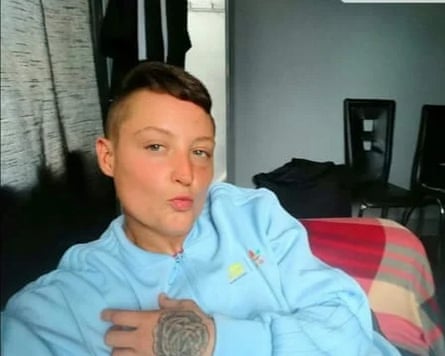
Inquest’s director, Deborah Coles, said: “The only certainty is that more deaths will follow unless the government radically changes direction. Rather than more rhetoric, now is the time for political bravery and implementation of tangible steps towards ending women’s prisons.”
The MoJ called the deaths “a tragic example of how the prison system is not working for most women” and said that its thoughts were with their loved ones.
The report comes 17 years after the Corston report, a study of vulnerable women in the criminal justice system that recommended replacing women’s prisons with small, secure units after six women died at Styal prison in a single year.
Although 41 of Colston’s recommendations were accepted by the government, critics say they have rarely been properly implemented. The recommendations of a 2023 review of the health and social care needs of women in prison were also accepted by the government, while the Female Offender Strategy Plan 2022-2025 aimed to reduce the number of women entering the criminal justice system.
But after falling for a few years, the number of female prisoners in England and Wales rose by 12% between June 2020 and June 2024, from 3,300 to 3,700. While few now publicly defend the trend, the number is projected to reach 4,000 by 2027.
Inquest’s report comes just weeks after the justice minister, David Lammy, labelled the prison system “broken”. Prisons are so close to capacity that prisoners are having to be released early, and 262 prisoners were wrongly released in England and Wales in the 12 months to March 2025.The prisons minister, James Timpson, said incarceration is “an absolute disaster” for most women when he was chair of the Prison Reform trust in 2024.
Women in custody face distinct challenges, Inquest says. Most are serving short sentences for low-level offences such as shoplifting, which are often linked to poverty, addiction or caring responsibilities. Women are more likely than male prisoners to experience mental illness, disability, substance misuse, domestic abuse and housing insecurity. More than half of all women in prison have been victims of domestic violence.
Pointing to evidence from Inquest casework, the report identifies key failings that contributed to the deaths. These include imprisonment of women with mental health or addiction problems, ignoring signs of crisis, disregarding family and support network concerns, poor response to emergency cell bells, inadequate health oversight, and failure to follow self-harm and suicide prevention rules.
According to the Ministry of Justice, in the 12 months to December 2024, the self-harm rate in women’s prisons in England and Wales was at a record high of 6,056 incidents per 1,000 prisoners (compared with 687 per 1,000 men), the highest level since records began. Female self-harm accounts for about 29% of all self-harm in prison despite women only accounting for 4% of the prison population.
The report examines seven deaths between 2018 (the year of the last Inquest report into women dying in prison) and 2024 in detail, with six of the seven inquests finding “serious failings” contributed to the deaths. Styal prison recorded 14 of the 59 deaths during this period, and Eastwood Park recorded nine. Of those deaths, 39% were self-inflicted. Women are 10 times more likely to die in prison by suicide compared with the general female population.
The MoJ said: “Many women are victims themselves, often of domestic abuse, and over half are mothers. We have established a women’s justice board to advise on reducing the number of women in jail and are changing the law so that more people will serve their sentences in the community where they will be better supported to turn their lives around.”
Pen portraits
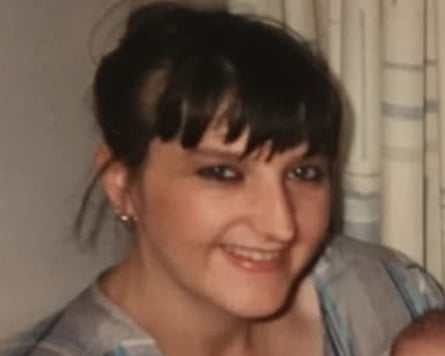
Christine McDonald, 55
Died: HMP Styal, 2019
Inquest conclusion: Serious failings
Christine, a mother of four, entered prison in severe distress after witnessing her daughter fall from a third-floor window during her arrest. She was serving a 12-week sentence for shoplifting shampoo, bubble bath, hair dye and cheese and for failure to comply with a community requirement of a suspended sentence. Christine was also experiencing opiate withdrawal, but the required safety checks were not carried out.
After a brief hospital visit for her symptoms, the prison failed to complete a full medical assessment on her return and did not tell her that her daughter was stable. That night, other prisoners heard Christine screaming, expressing concern about her daughter. Although she pressed her cell bell for a nurse, no one responded. She was found at about 11pm and died the next day.
Aisha Cleary, 0
Born and died: HMP Bronzefield, 2019
after newsletter promotion
Inquest conclusion: Serious failings
Rianna Cleary, an 18-year-old care leaver, was remanded to prison charged with robbery when she was six months pregnant. Five days later she was informed that social services would seek to remove her baby at birth. She told staff she would kill herself if that happened, but no care planning process was opened. On 26 September, Rianna went into labour and pressed her cell bell at 8.07pm and again at 8.32pm, but staff took no action.
She gave birth alone, losing blood and repeatedly passing out. She later woke up to find her baby, Aisha, was not breathing. Only after other prisoners raised the alarm did staff realise she had given birth. Nurses attempted resuscitation, but paramedics declared Aisha dead 12 hours after Rianna first sought help and seven weeks after she had been remanded.
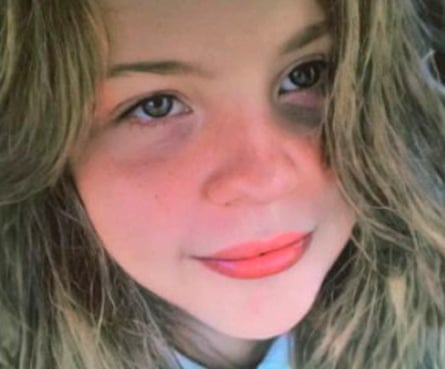
Annelise Sanderson, 18
Died: HMP Styal, 2020
Inquest conclusion: Serious failings
An 18-year-old care leaver who loved biking and football, Sanderson was sentenced to a year in prison for assaulting a paramedic after trying to set fire to herself at a petrol station. It was her first time in prison, and it took three days to open an ACCT – Assessment, Care in Custody and Teamwork, procedure to support prisoners at risk of self-harm or suicide . Despite Sanderson attending ACCT reviews with a ligature around her neck and telling staff she had swallowed a battery, the ACCT was closed after eight days. She took her own life weeks before she was due to be released.
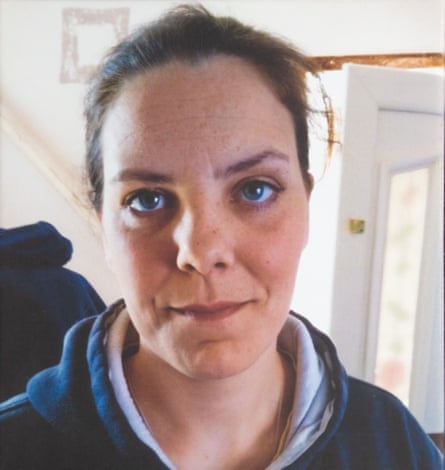
Kay Melhuish, 36
Died: HMP Eastwood Park, 2022
Inquest conclusion: Neglect, serious failings
Melhuish held qualifications in canine psychology and bred cocker spaniels. She was a first-time prisoner with ADHD, autism, complex PTSD and noise sensitivity, and had a history of suicide attempts. She was remanded to prison during an acute mental health crisis.
Her family, psychologist and solicitors warned the prison that she was at high risk. However, few staff read the neurodiversity plan advising regular family contact, noise reduction and monitoring for bullying. In her first 10 days, Kay made only two brief calls home and was left with just one pair of underwear. She reported difficulties with noise, medication, phone access and bullying.
After officers found her hiding under a table, six staff restrained her for 13 minutes while she said she did not want to breathe and could self-harm in her cell. Despite this, she was left alone. When checks went unanswered, an officer entered her cell and found she had taken her own life. She had been in prison 19 days. The jury concluded that Eastwood Park prison failed to provide for Melhuish’s “basic human needs”.