.png) 5 hours ago
5
5 hours ago
5
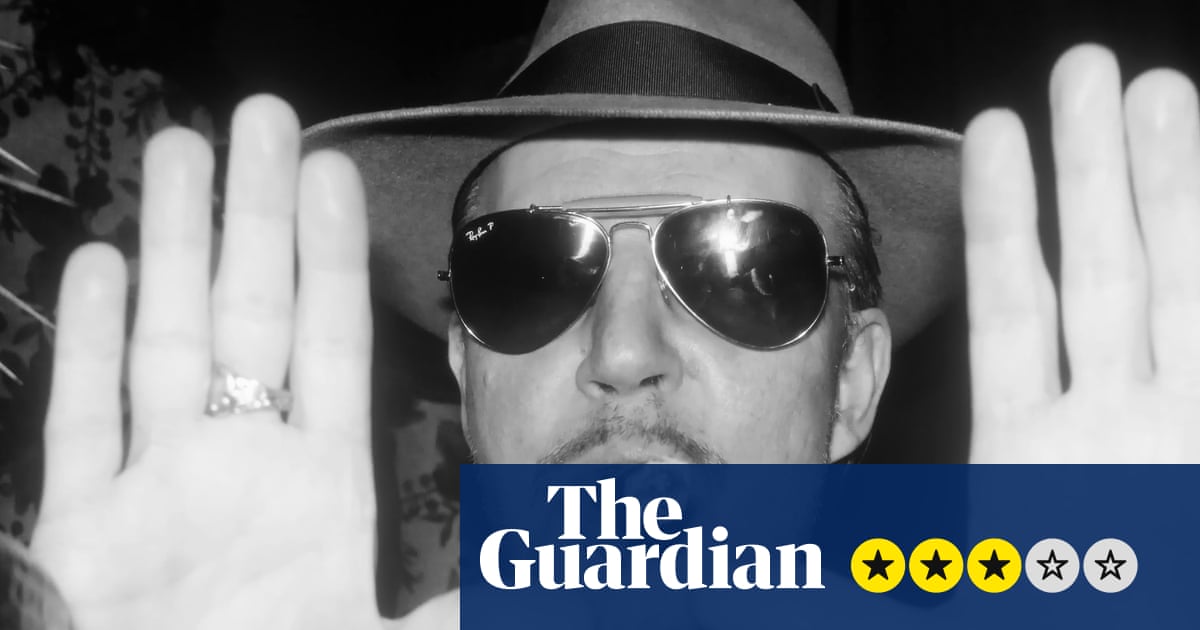
No fetish or obsession is unique, and the internet can always connect you with others whose minds work the same way. It’s one of the great blessings and curses of the digital age, and central to An Amputation Obsession: the Monster and the Surgeon, a two-part documentary on which the “contains material some viewers may find disturbing” disclaimer is no exaggeration.
We begin at the Royal Cornwall hospital, known locally as Treliske, in Truro, Cornwall. It used to have a man on its staff who was a minor medical superstar: Neil Hopper, a vascular surgeon, was well known for his clinical expertise and comforting bedside manner, particularly when advising on and performing amputations. He acquired full hero status in 2019, when he was diagnosed with sepsis and had both legs amputated below the knee but miraculously returned to work within six months, astonishing physiotherapists and other medical professionals with how well he adapted to disability.
Documentary crews shadowed Hopper at work; he was welcomed on to the BBC Breakfast sofa to tell presenter Naga Munchetty his inspiring tale. Patients facing amputation were desperate for a consultation. Life without legs almost seemed like an improvement for Hopper, not least because a £466,653 insurance payout got him a new car, high-grade prosthetic limbs and an accessible extension on his home.
Having set all that up, the programme switches to London for the lurchingly horrific saga of Marius Gustavson. Before being imprisoned for life in 2024 on multiple counts of grievous bodily harm with intent, Gustavson made a very good living from running an illicit website called the Eunuch Maker, which sold its users videos of … well, of what the name of the site implies. Men volunteered – although some seemed to have been carefully groomed by Gustavson, and none could legally consent to what happened next in any case – to attend Gustavson’s basement flat, where they were filmed undergoing amateur medical procedures in a non-sterile environment. Many were taken away by ambulance, having sustained irreversible injury. The more gruesome the content, the more the torture-porn addicts in the Eunuch Maker community – which had more than 20,000 members – enjoyed it. A good few of the butchered men were fulfilling a long-held desire to lose a part of their own body. Some performed the procedure themselves.
Hopper was one of the Eunuch Maker viewers, which is partly why he is also in prison, having committed the offence of possessing extreme pornography. We see some of the incriminating messages Hopper exchanged with Gustavson, where his polite articulacy and medical idioms – “penectomy” is the term he used for what was done in videos he watched “thousands of times” – clang against the horror of what he is discussing.
That Hopper had a Eunuch Maker login doesn’t count as a revelation since it’s the obvious explanation for being in the same documentary as Gustavson. The other crime Hopper was found guilty of last year constitutes the twist in the narrative, which arrives at the halfway point and is fairly guessable in a “No … nooooo, surely not. NO!” sort of way, although the first episode rather mischievously misleads viewers in order to conceal it.
From there we have an exploration of body integrity identity disorder, a rare condition in which the patient rejects a body part in much the same way someone with gender dysphoria has an insistent feeling that their assigned gender is incorrect. That warrants sympathy rather than revulsion, but then we face the awful possibility of Hopper’s professional decisions having been compromised. The latter suspicion has, it is a great relief to hear, been allayed by reviews of his work that found no evidence of malpractice.
It is quite the story – equally repellent and engrossing – but how should it be told? Any documentary like this has to earn the right to demand an hour and a half of your time when it would take 10 minutes to read an article about the case. Here, it’s not clear that television wins. The two main characters are unavailable because they are in prison, although Hopper’s TV appearances and social media content, filmed before his arrest, sharpen the picture of the gentle, self-effacing man colleagues and patients thought they knew. One of Gustavson’s victims speaks compellingly, but “Michael” inevitably has his face and voice disguised. An awful lot of the details are ably filled in by veteran local news reporter Olivier Vergnault, who is in it so much he ought to invoice the producers for a presenter’s fee instead of a contributor’s.
This perfectly well-made programme sets it all out, but if it feels like too much time to invest in such strong ick, you could always search for Hopper and Gustavson online instead. You can find anything there, as this show proves so grimly.
-
An Amputation Obsession: the Monster and the Surgeon is on Prime Video