.png) 9 hours ago
9
9 hours ago
9
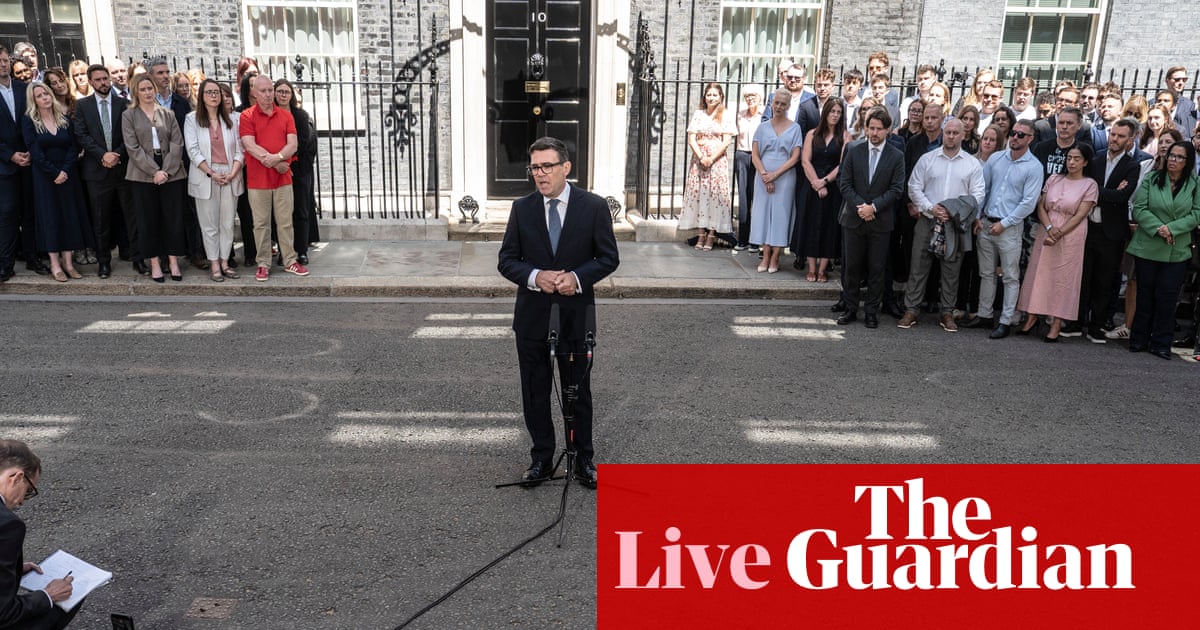
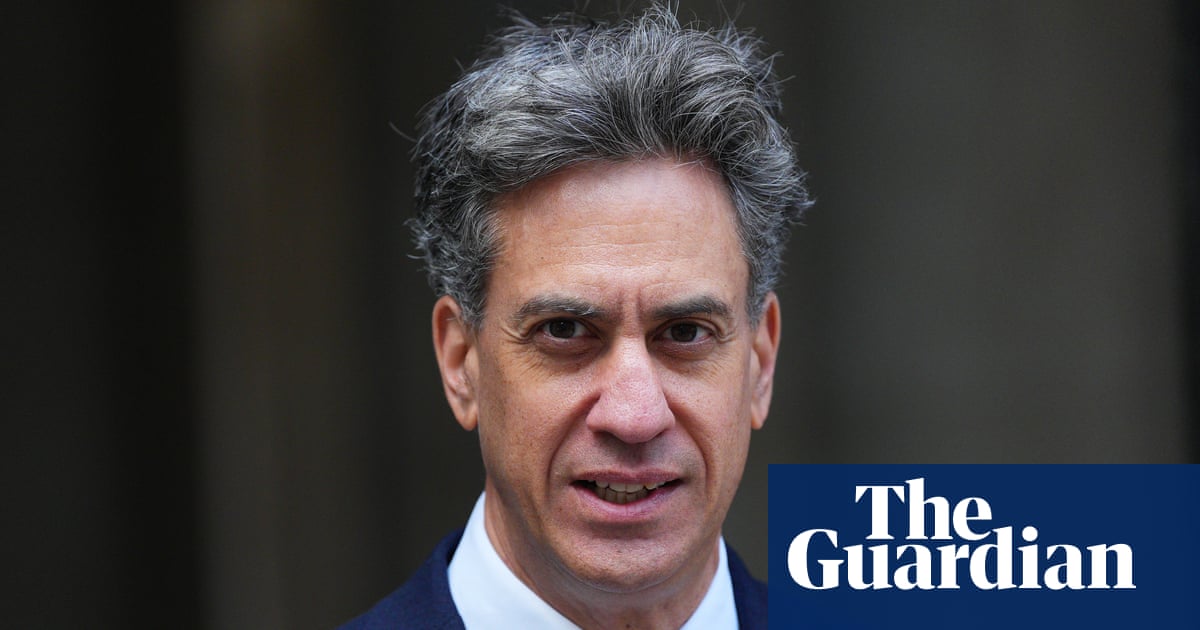
What will European leaders make of Andy Burnham, the seventh UK prime minister they have had to deal with in a decade of chronic political instability in London unleashed by the fateful 2016 referendum vote to leave the European Union?
The “king of the north” is largely an unknown quantity in continental Europe and has given priority to a domestic agenda of devolving powers to regions and cities and extending state control of vital industries rather than to foreign policy. He may initially spend less time on diplomacy than his predecessor, Keir Starmer, whom critics branded “never here Keir” for his frequent foreign travel to support Ukraine, build European and Nato defence ties and try to rein in Donald Trump’s wrecking instincts in transatlantic relations.
Starmer had begun to restore some trust between Brussels and London after a long period of mutual suspicion and exasperation at the UK’s failure to implement fully the withdrawal agreement hastily negotiated by Boris Johnson. But he was cautious in resetting ties with the EU to avoid angering Labour leave voters. And the Treasury was as ever loth to pay to play in Europe.
Starmer was lauded for his co-leadership, with the French president Emmanuel Macron, of both the “coalition of the willing” working on security guarantees for Ukraine and the group of European nations preparing to ensure safe passage in the strait of Hormuz once the US and Iran stop fighting. Burnham is likely to maintain that role, which helped restore the UK’s standing as an important player in European security, albeit no longer in the EU core, rather than retreat into nationalist isolation or into Maga’s embrace as Nigel Farage’s Reform party would do.
Like other domestically focused politicians, Burnham will soon realise that the UK’s economic stagnation, declining relative living standards and latent social discontent is at least partly due to Brexit’s disastrous damping effects on trade and investment. Even without the compelling security and geopolitical reasons for rapprochement with the EU, closer engagement with Britain’s main export market would be a no-brainer to deliver healthier growth.
As a new face in Downing Street, Burnham has an opportunity to review Labour’s red lines on relations with the EU – no single market, no customs union, no freedom of movement – and to pursue a more ambitious opening. He also has the charisma Starmer lacked to sell it to the public. Burnham will find European governments receptive on defence and security cooperation and increasingly willing to welcome the UK inside its “made in Europe” drive for greater European sovereignty over key technologies and supply chains. But they remain wary of UK attempts to cherrypick the benefits of the EU market without the responsibilities, such as paying for market access and allowing free movement of persons, as Norway and Switzerland do.
I agree with Joël Reland, of the UK in a Changing Europe thinktank, who noted last week that Burnham may sound less pro-European than Starmer, “but is formulating an economic and security agenda which could bring London into closer line with Brussels”.
Reland highlights the “striking” similarity between Burnham’s ambition for “sovereign capabilities” in industrial sectors from shipbuilding to AI, to EU plans for greater “strategic autonomy”, ie reducing reliance on foreign suppliers in critical sectors.
Moreover, Burnham faces political and social challenges familiar to his continental peers. Many European countries are experiencing a similar surge of national populism, backlash against immigration and anger at the political establishment over the cost of living and poor public services that fuelled Brexit. With populists such as Marine Le Pen in France and Alice Weidel in Germany rattling at the gates of power – egged on by Trump’s White House, Elon Musk and Vladimir Putin – the new Labour premier has an interest in linking arms with pro-European liberal democratic forces on the continent.
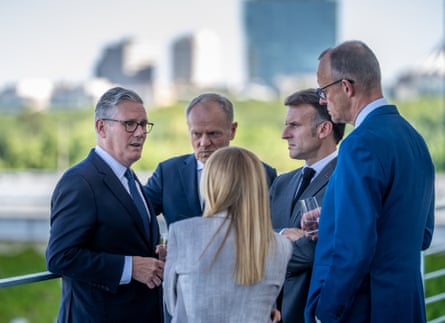
The geopolitical case is compelling with Putin waging hybrid war against Europe, Trump seeking to disengage the US from European security and undercutting the European values of liberal democracy, rule of law and tolerance, and Xi Jinping flexing China’s export muscles and grip on critical raw materials.
Building closer ties with Europe, starting with security and defence, also makes sense in domestic UK politics. Burnham must realise that Labour is not going to win the next general election as a halfway house party that is still afraid of upsetting Brexit voters. Labour has been bleeding pro-European voters to the Liberal Democrats and the Greens, and bleeding working-class Brexit voters to Reform.
He can start to reverse those losses if he proclaims Labour to be the practical pro-European force that can deliver the economic and political benefits of closer relations with the EU without being hamstrung by decade-old taboos. Hardcore Eurosceptics won’t vote Labour anyway.
There are some indications that Burnham gets this, even if it is understandably not his top priority. He needs to find a way to link kickstarting the economy with closer cooperation with Europe. The first area may be in defence industrial cooperation, joining a follow-up to the EU’s Safe joint procurement instrument. Another way could be by accepting an ambitious youth experience programme without quotas or prohibitive tuition fees. This would offer reciprocal opportunities for young Britons to study and work in Europe that Brexit made much more difficult.
Temporary visas for European students and apprentices might result in higher immigration numbers but would benefit both the UK economy and its scientific and technological achievement levels.
Burnham may well feel that a departure from Labour’s red lines needs a national democratic mandate at the next general election, but he should be bold and start making the case now as to why the UK would be better off in the single market, in preparation for the party’s next manifesto.
-
Paul Taylor is a senior visiting fellow at the European Policy Centre