.png) 2 months ago
53
2 months ago
53
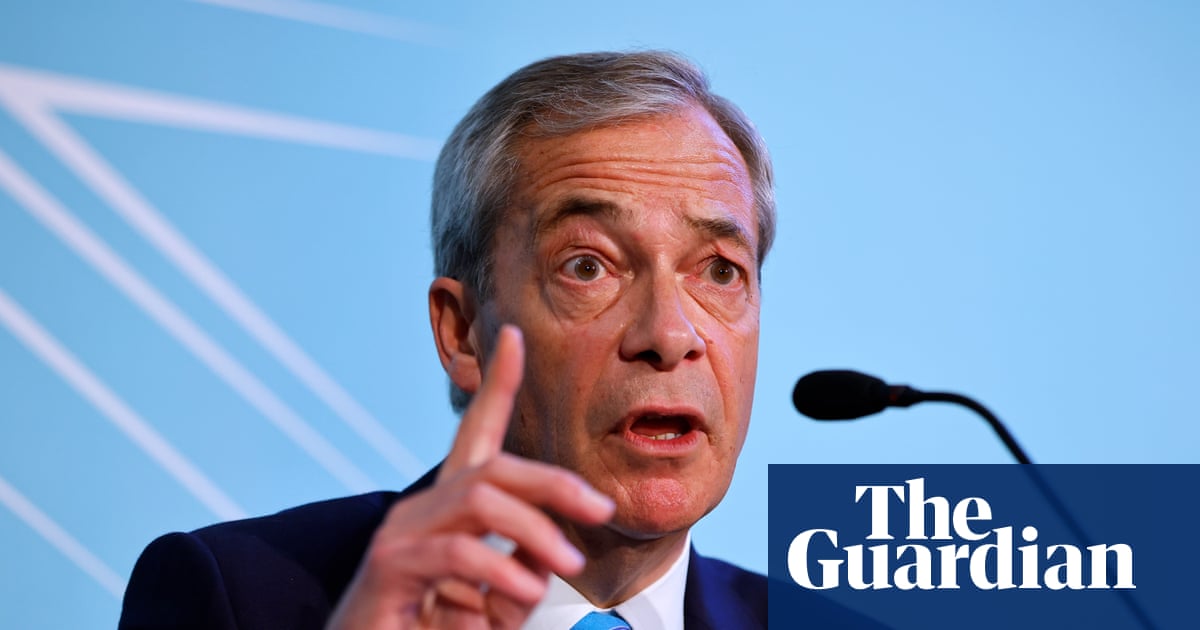
Nigel Farage is storing up trouble by welcoming yet another tranche of Conservative defectors to Reform UK’s ranks. I should know. When I was chief whip, nothing united a party quite as much as a defection. Old enemies call a truce from their daily hostilities to turn all the available ire on the traitor in their midst. Ask Shaun Woodward, the former Conservative MP for Witney who legged it to Labour in 1999 while making all sorts of rather grand demands in the process. He was blackballed by his original party for such a flagrant act of opportunism, and hated by his new family as someone never to be entirely trusted.
I remember the shock and anger when entering the chamber in April 2024 to see Dan Poulter seated uncomfortably behind Keir Starmer for PMQs. Not only had we had no warning, but as he had barely even attended parliament in anyone’s recent memory, we weren’t quite sure whether Labour would know who he was. Only weeks later, Dover diehard Natalie Elphicke pulled the same stunt and also promptly disappeared from view. How she could have left friends and whips a few hours earlier with the impression that she was voting with the government that day, I am not quite sure. It seems that such niceties matter little to the “defector community”, any more than loyalty to the party, volunteers, voters and supporters who gave them such a privileged position in the first place. Why should Reform expect any better?
It was those two “left-field” defections that caused us the jitters over in No 10. Were there more? We had heard rumours, but there were always rumours. To be safe, we ran a check on every single colleague, ranking them green, amber or red and sending in the charm police for anyone in the most dangerous category. Losing two colleagues was annoying; lose three and it might start looking careless. Although the date of the election was at that stage still undecided, we all knew that if anyone else went, any plan would go with them.
Looking at the names of those who have made the journey to Reform is also revealing. When we suspended the whip from Lee Anderson, he was at pains to assure me that he was going nowhere, and we therefore planned a session within days to map out an elegant return. But something happened over that weekend, and he was gone. Andrea Jenkyns, Jake Berry, Nadine Dorries, Sarah Atherton, Maria Caulfield: all have trodden the same path, all humming to the same old tune that “the Conservatives no longer represent my values blah blah”. This is despite most of them signing up to, and even voting for, the very immigration policies put forward by their hero, Boris Johnson, that they now suddenly find so indigestible. Then, Danny Kruger joined the list as the first sitting Tory MP to defect, completing the least surprising collection of the disgruntled it would be possible to find. And recently it’s been the turn of the little-known Malcolm Offord from the House of Lords and former MP Ben Bradley, who had to make a hefty charity donation after defaming Jeremy Corbyn.
Can defectors be identified before the act? That’s not easy, but there is a common link, a symptom that might be hard to pick up without a political stethoscope. First, this is a group of people who have always found it hard, impossible even, to operate as a collegiate force. They were loners, the sort of people neighbours describe as “keeping themselves to themselves” hours after discovering that they have committed some misdeed. Some of them, Kruger being one, are driven by such an unbreakable ideological vision that they cannot fully grasp that politics is a numbers game and is annoyingly reliant on consensus and compromise. Second, they often think there will be payback; they may even have been promised it. Perhaps a key seat at the next election, a place on the list for the Senedd elections next May, a mayoral nomination or even a peerage.
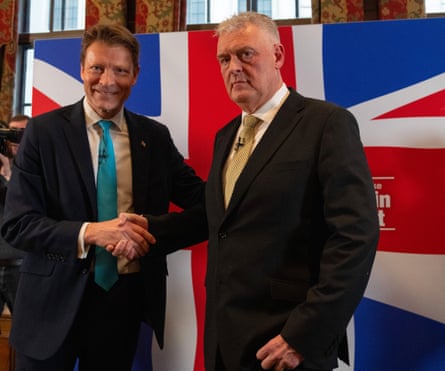
One thing is certain: these defections are acts of opportunism and therein lies the trouble for Farage. Usually, defectors want something. If they don’t get it, they will react in much the same way as they did when we turned down their similar demands. There will be a petulant outburst, often timed somewhat vindictively to cause the greatest embarrassment for the people whose trust and support they had hitherto relied upon.
The recent flurry of defecting councillors and former MPs is a case in point. Each and every one of them owes their well-funded existence to the Conservative party, and its financial and volunteer resources, not to mention voters. If they must defect, couldn’t they at least do it with a bit of class, and retreat quietly into the background after a brief but considered message? Or better still, trigger a byelection, just to make sure that voters are as enthusiastic about their new brand as they were one that actually got them elected?
As ever, there are some honourable historical exceptions. Churchill was elected a Conservative but within a few years joined the Liberals on the back of his opposition to a bill to reduce the flow of Jewish migrants fleeing the Russian empire, only to return to the Conservatives about 20 years later. In the more recent political earthquake of 1981, four heavyweight Labour MPs (David Owen, Shirley Williams, William Rodgers and Roy Jenkins) formed the “gang of four” to start the Social Democratic Party (SDP) in protest against Michael Foot.
Kemi Badenoch would be wise to stick to her guns, encouraging other wobblers to step away now. As for the rest of us, it pays to see these moments for what they really are.
-
Simon Hart was government chief whip from 2022 to 2024, and is author of Ungovernable