.png) 3 months ago
75
3 months ago
75
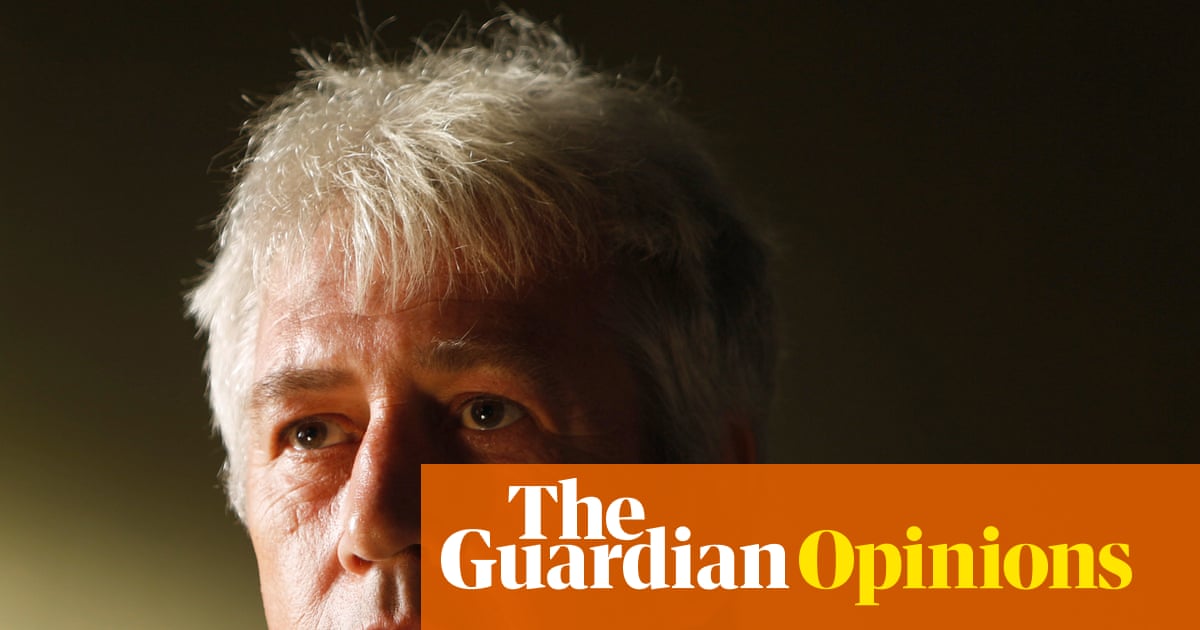
A former steelworker who rose to become one of China’s richest people has pleaded guilty to charges including fundraising fraud after the collapse of Evergrande, the world’s most indebted property developer.
The property group’s founder, Hui Ka Yan, “pleaded guilty and expressed remorse” in trial proceedings at a court in China’s southern city of Shenzhen against him and Evergrande, the court said in a posting on its official WeChat account. He also pleaded guilty to misuse of funds and illegally taking public deposits.
Evergrande, once China’s biggest real estate company, has defaulted since 2021 on most of its $300bn (£222bn) in liabilities, emblematic of China’s property sector woes that have long dragged on the country’s economic growth.
Evergrande’s failure to repay billions of dollars of wealth management products unleashed frustration among the lower and middle classes, many of whom had their investments wiped out, provoking protests and threatening social stability.
Reuters was unable to seek comment from Hui, 67, who has not been seen in public since Chinese authorities detained him in 2023, after the default of Evergrande.
Hong Kong-based Hui, known as Xu Jiayin in Mandarin, and the company also face charges of illegally extending loans, fraudulently issuing securities and bribery by units, the Shenzhen municipal intermediate people’s court added, with verdicts to be handed down later, although it has not set a date.
Jail for life and confiscation of property are the maximum penalties for illegal fundraising, while bribery can also bring life terms.
In 2024, China’s securities regulator fined Hui $6.6m and barred him from the securities market for life, after finding Evergrande’s leading business had inflated earnings and committed securities fraud.
Hui was raised by his grandmother in a rural village in central Henan province. After graduating from the Wuhan Iron and Steel Institute in 1982, he worked as a technician in a steel factory for 10 years before making his fortune from low-priced homes.
He then went to Shenzhen, a fast-growing special economic zone in Deng Xiaoping’s reformist China, where he worked as a salesperson for a property company. He went on to set up his own property business, Evergrande, in the city of Guangzhou in 1996. He built it into China’s biggest property developer by contracted sales, aggressively taking on debt, with thousands of developments across China. He took it public in 2009.
In 2012, when he attended a Communist party conference, Hui wore a golden buckled belt, and has been described as a “red capitalist”, according to Macau News Agency.
He did not shy away from new ventures, dabbling in electric cars and football, both a passion of China’s president, Xi Jinping.
In 2017, Hui was Asia’s richest person, with a net worth of $45.3bn, according to Forbes, but this plunged to an estimated $3bn by early 2023.
In 2024, Evergrande received a liquidation order from a Hong Kong court, and it was kicked off the Hong Kong stock exchange last year, bringing an end to a tumultuous boom-and-bust saga.
Outside mainland China, Evergrande’s liquidators have battled in court to freeze offshore assets of the founder and his ex-spouse in a struggle to claw back $6bn in dividends and remuneration paid to Hui and other former executives.
The liquidators of Evergrande declined to comment on the case.
Reuters contributed to this report.