.png) 2 months ago
54
2 months ago
54
Key events Show key events only Please turn on JavaScript to use this feature
Ireland's Martin backs use of frozen Russian assets
Ireland’s Micheál Martin says he is expecting a “very comprehensive” meeting with an update on Ukraine peace talks and a discussion on the use of frozen Russian assets.
“Ceasefire situation is very, very challenging, and linked to that is the future financing of Ukraine, and obviously the debate around immobilised assets. We’re very much in favour of the utilisation of immobilised assets,” he says.
He says the principle at stake is that “countries can’t simply destroy another country and expect others to pay for all of the reconstruction of that country.”
Martin says “it is important that we get agreement today,” as “it’s important that Europe … [shows] unity today.”
He says he can’t predict what’s going to happen with “certainty,” but felt there was a momentum behind the proposal for using frozen Russian assets.
Idea of using frozen assets is 'stupid' and amount to 'marching into war,' Orbán says
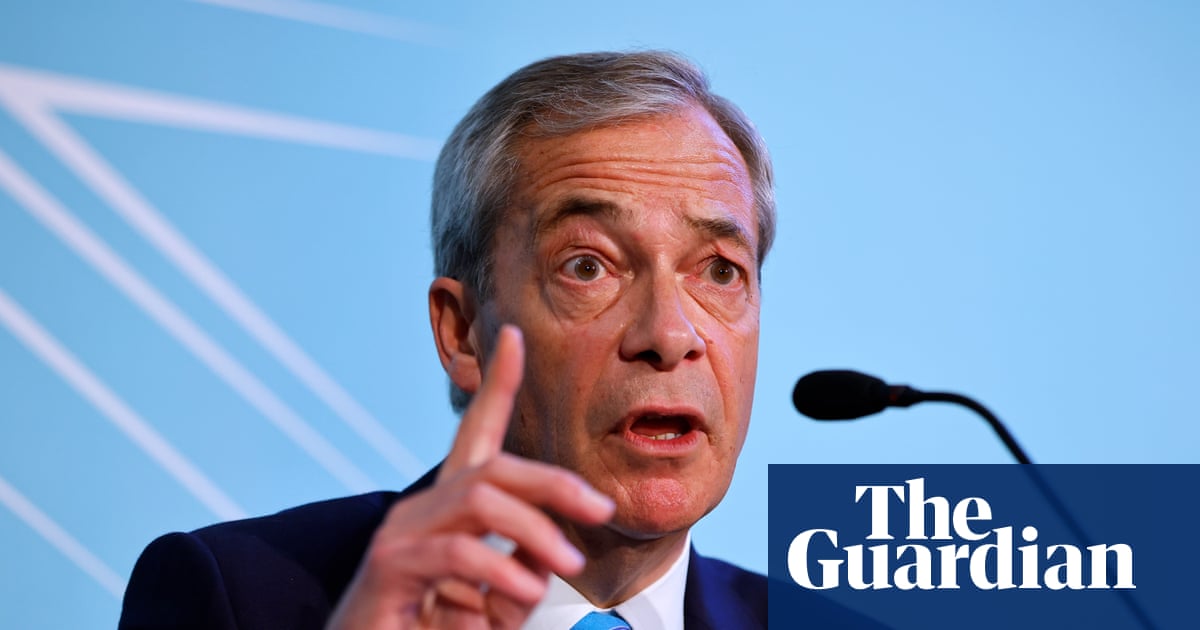
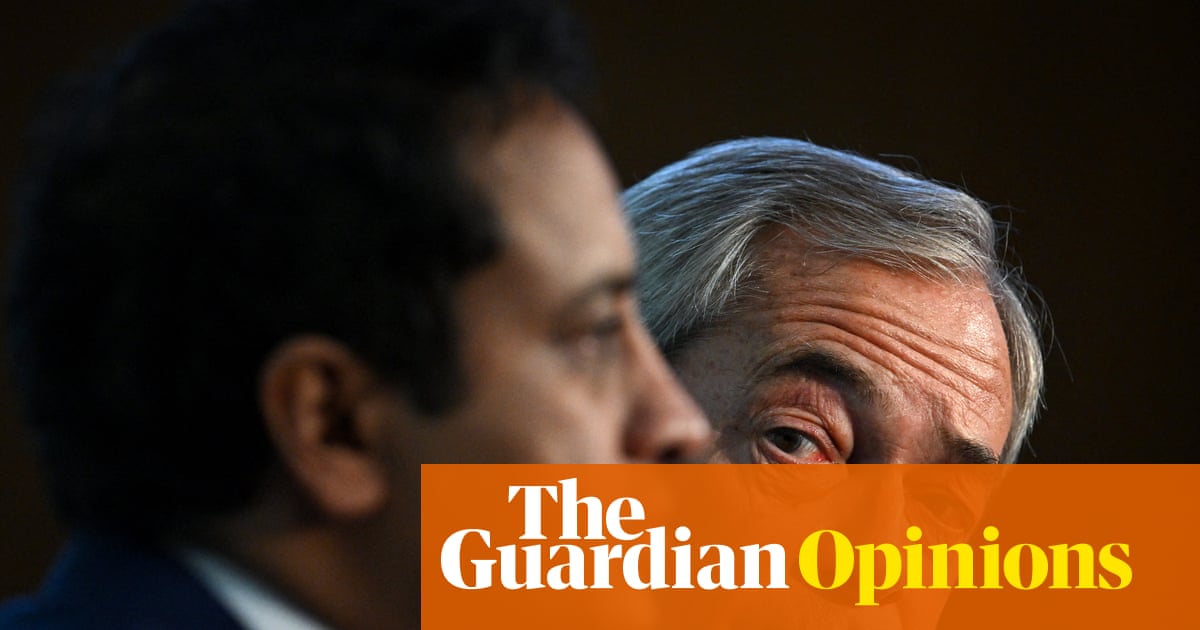
The chief opponent of sending any further money to Ukraine, Hungary’s Viktor Orbán, just told reporters in Brussels that the idea of using frozen Russian assets was “stupid.”
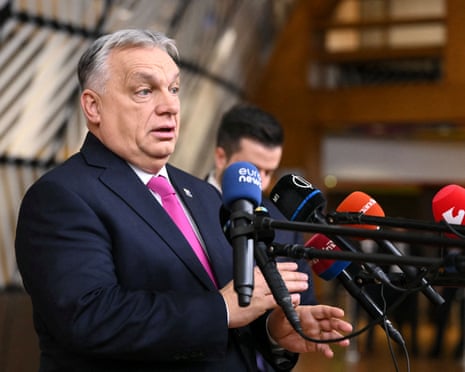
“The whole idea is stupid. … There are two countries which are at war – it’s not European Union, [it’s] Russia and Ukraine – and the European Union would like to take away the money of one of the warring party and then to give it to another one.
It’s marching into the war. The Belgian prime minister is right, we should not do that.”
Morning opening: 'Money today or blood tomorrow'

Jakub Krupa
EU leaders are meeting in Brussels today for end-of-year talks with a key decision to make on using frozen Russian assets to boost Ukraine’s defence against Russia.
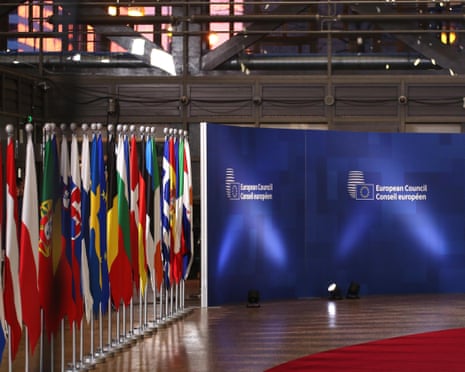
The 27-nation bloc scrambles to strengthen Kyiv’s hand while Donald Trump pushes for a quick deal to end the fighting as the war drags towards the four-year mark.
The EU estimates Ukraine needs an extra €135bn ($159bn) to stay afloat over the next two years, with the cash crunch set to start in April. To plug the gap the European Commission has put forward a plan to tap some €210bn of Russian central bank assets frozen in the bloc.
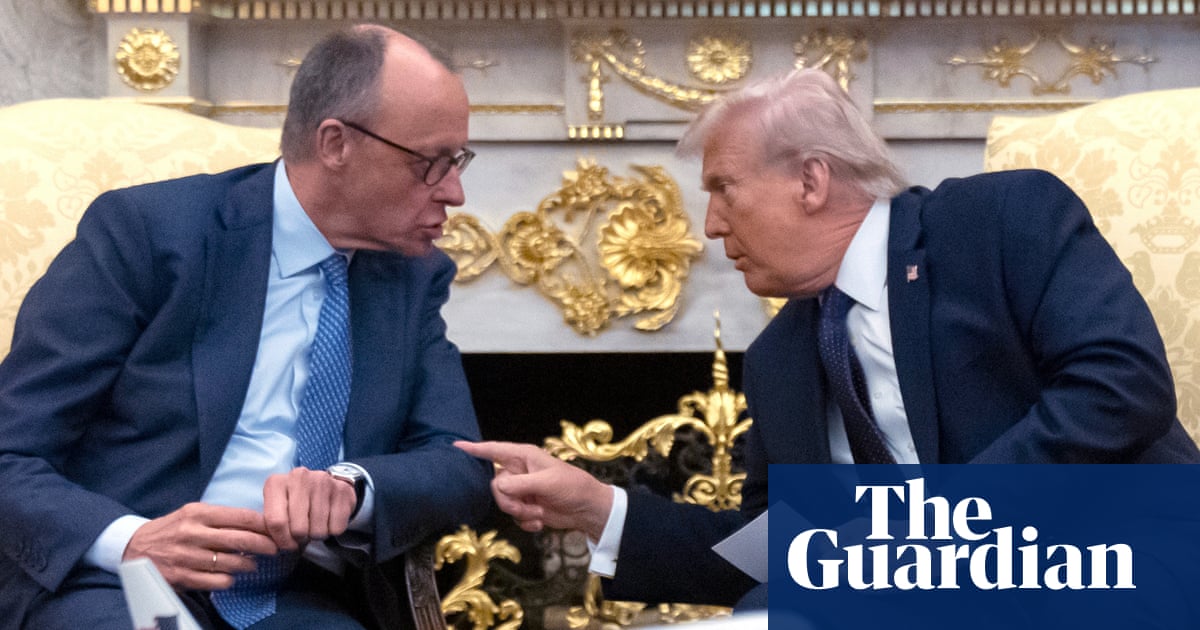
German chancellor Friedrich Merz said the assets plan was essential to increase pressure on Vladimir Putin and send “a clear signal to Russia”.
Poland’s Donald Tusk went even further this morning, warning: “we have a simple choice: either money today, or blood tomorrow,” adding: “I’m not talking about Ukraine only, I’m talking about Europe.”
Belgium, the home of Euroclear which holds most Russian assets, has been leading the opposition bloc asking questions about potential legal issues, with Bulgaria, Czech Republic, Italy, Malta, Slovakia also expressing doubts.
Technically it’s not enough to bloc the proposal if a vote gets called under qualified majority rules, but politically it makes it very awkward for everyone involved.
But there is no sign of compromise, as the only other option – focusing on EU debt - would require unanimity, and would get blocked by Hungary, which flatly denies any further help for Ukraine.
European officials have insisted the Brussels talks will last as long as it takes to reach agreement, warning that Ukraine’s survival and Europe’s credibility are at stake.
European Commission president Ursula von der Leyen said this morning she won’t leave the meeting before an agreement is reached. But the Slovak prime minister, Robert Fico, joked earlier this week that they can keep him there until the New Year, and he won’t back it either.
Ukrainian president Volodymyr Zelenskyy is to also join the summit in a last-ditch attempt to convince the critics.
I will bring you all the key developments here. But get ready for a long, long day.
It’s Thursday, 18 December 2025, it’s Jakub Krupa here, and this is Europe Live.
Good morning.