.png) 2 months ago
62
2 months ago
62
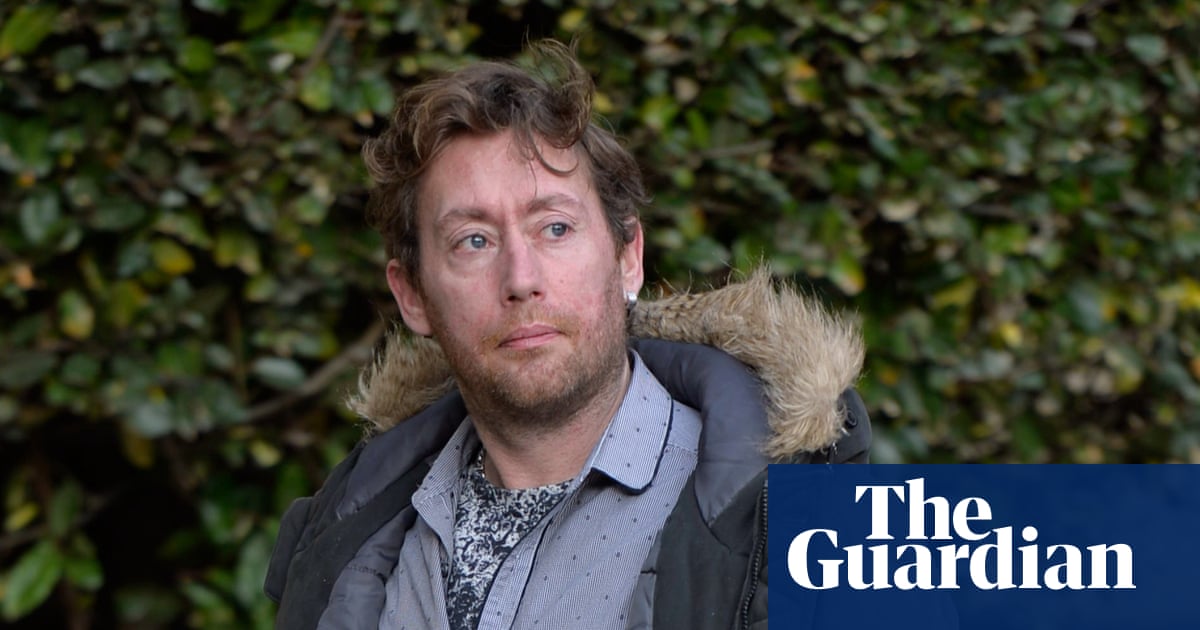
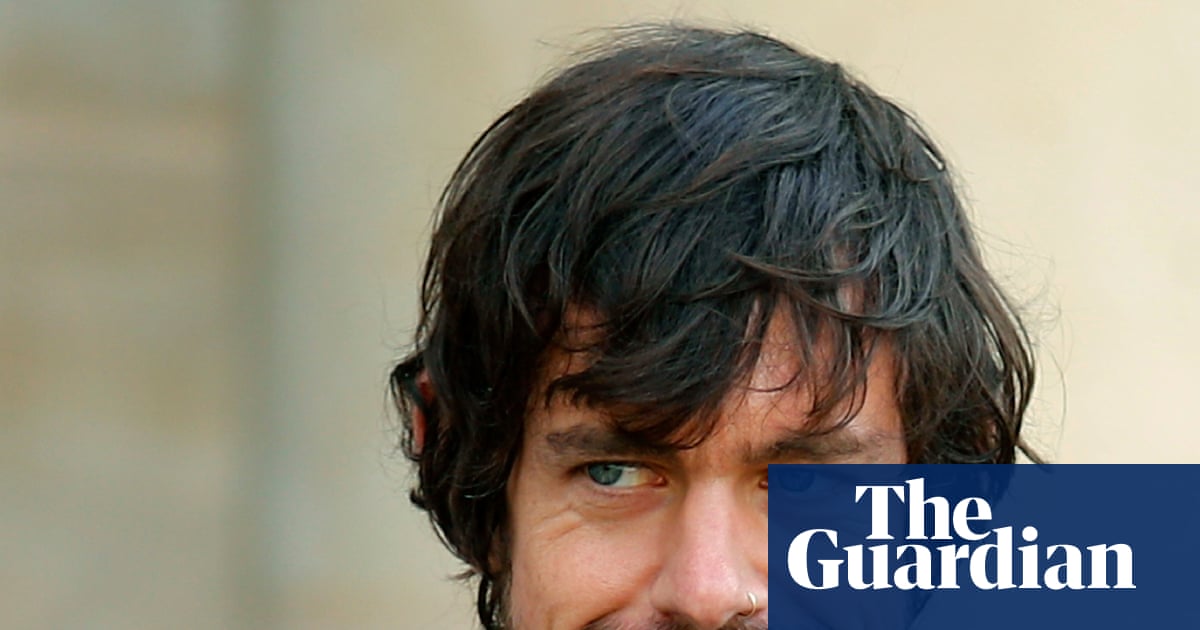
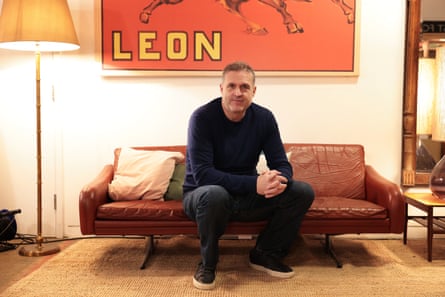
John Vincent is going back to the future. Four years after selling Leon, the fast food chain named after his father and founded in 2004 with two friends, he has bought it back with hopes of reviving its fortunes.
“In a crisis you need a pilot in full control,” the martial arts fan says, speaking to the Guardian from Leon’s headquarters near London Bridge.
He is getting his metaphorical trainers on to “outrun the lion” as he ploughs his efforts and his own money into reviving the troubled chain.
The former management consultant bought back Leon for a rumoured £30m-£50m – significantly less than the £100m he sold it for – from the supermarket chain Asda in October, 21 years after the first restaurant opened in Camden. It was a self-funded, debt-free deal that he hopes will turnaround the company he co-founded with his friends Henry Dimbleby, who later became a government food tsar, and the chef Allegra McEvedy. Their original mission was to make seasonal, high-quality fast food available to everyone.
Vincent says he now wants to run Leon “as a family business, almost like running your own corner shop”. He says the business will be fuelled by a “founder’s mentality”, pondering problems from the early hours of the morning to late at night.
The first step is to renegotiate leases and shrink the group. The plan includes the possible closure of two outlets by the end of January, taking the total number to 50. Leon had 68 outlets at the time of the buyout including 43 directly owned and operated.
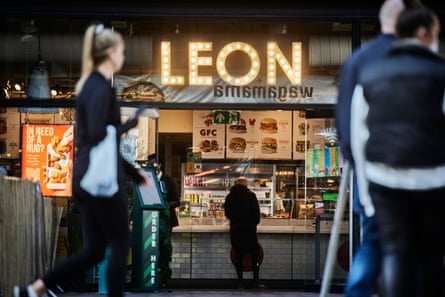
Undera turnaround plan, Leon is shifting out of unprofitable locations and cities such as Brighton and Manchester to concentrate on its owned stores – of which there are now 29 – in London. Franchisees will continue to operate locations in, for example, motorway service stations around the country. Once that shake-up has been achieved, Vincent expects to be back on the expansion trail with plans for as many as 100 UK outlets, mostly in the capital, over the next four years. Overseas franchises and joint ventures in selected overseas cities are also on the cards, he says.
Vincent is also rapidly ditching some menu items he feels are not right, such as sandwiches, improving quality with better smoked salmon and thicker slices of halloumi, while inspiring managers to ensure their restaurants are spotlessly clean with rapid service.
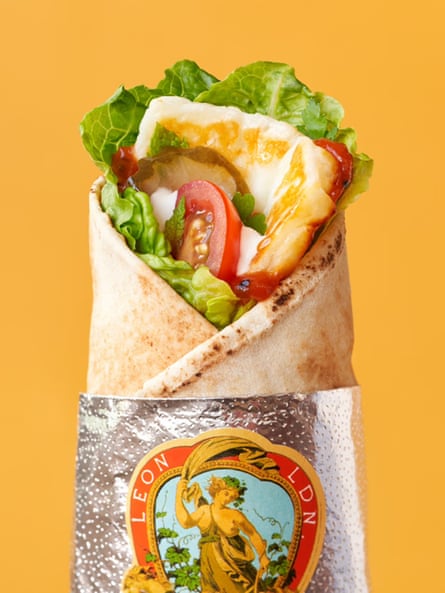
The team is also developing a new menu to be relaunched in the spring, which aims to bring back old favourites such as the fish finger wrap and new dishes aimed at reviving its healthy and tasty credentials at an affordable price.
Vincent has also signed up staff to training in wing tsun, his favoured martial art, to improve coffee-making times “while lowering heart rates”.
All of this is daunting in a very tough market for hospitality businesses as cautious consumers cut back on dining out while business costs – from ingredients to business rates, national insurance and labour – are on the rise.
Vincent, who at more than six feet tall is built like a rugby player and speaks a mix of new age hippy and Thatcher-era free marketeer, says Leon must stand out from the crowd and ramp up sales if it wants to continue to exist.
“The average player in this market is going to go bankrupt,” he says. “The only winners in this space, ultimately will outstrip everyone else on revenue.”
He accused Labour of “taxing businesses to extinction” and “creating the opposite of growth.”
The survival plan for Leon is to be “massively differentiated”.
“Leon has to be niche: it can’t be on every high street. We want to be the best food company in the world but don’t want to be the biggest,” he says.
“Every Leon should be magical. I want to be a beacon of what’s possible.”
Seemingly the business has been waiting on his return. A side office still contains a dusty framed photo of him and the boardroom still contains its mid-century-meets industrial furnishings as if preserved in aspic.
His “glimpses of brilliance” notebook has remained in a cupboard – but unused. Now Vincent and his team are back scribbling positivity missives to each other in the book.
“It’s like one of those dreams where you are in your house but it is not your house,” he says. ‘It’s like someone stepped on a butterfly and here we are.”
A fan of aphorisms, management theories and self-help book advice, Vincent says some may dismiss such as techniques as “woo woo” but the numbers speak for themselves.
He says that until the business was hit by the Covid pandemic it was doing well, with underlying profits on the rise and new outlets opening each year.
Since then it has been a different story.
It has made a pre-tax loss every year since 2016 – first linked to spending on rapid expansion. Since 2019 it has struggled with a string of problems from rising costs and interest rates to increased competition, Brexit and the Covid pandemic. Sales plummeted to £38m in 2020 from £76.3m in 2019 as high street lockdowns and the shift to working from home took their toll.
“It was like knock after knock in a boxing ring,” says co-founder McEvedy, who is no longer formally involved in the business but recently joined a brainstorming session on the new menu.
For McEvedy, the biggest blow was Leon’s move away from its original concept of “naturally fast food” that was tasty and healthy.
She says it was originally “dial changing about what was possible” led by “three friends that really cared and were really focused on everything from what the loos look like to branding, aprons and the menu”.
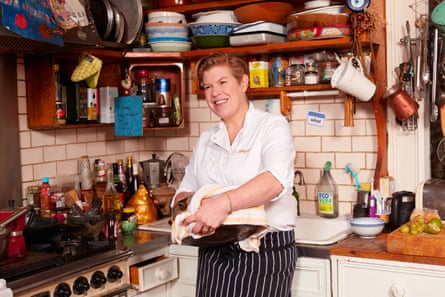
McEvedy says that under Asda “all the points of difference slowly got shaved away”.
Sales had recovered to £52.2m by 2022 but that was partly down to continued store openings with the group reaching a peak of 85 stores that year.
Leon then got caught up in the difficulties of the owners of Asda – the billionaire Issa brothers and their private equity partner TDR Capital.
The brothers’ EG Group, a petrol forecourts operator, bought Leon in 2021, probably with the intention of expanding it across their portfolio.
The deal came just months after they invested in Asda in a £6.8bn debt-fuelled deal. After interest rates soared and an apparent falling-out between the brothers Mohsin and Zuber, their investments were restructured.
Asda bought out most of the UK division of EG, including Leon and it was then part of a retail group struggling with multiple problems from high debts and falling sales, rising costs, intense IT disruption and heavy competition.
Last year Leon’s sales fell almost 4% to £62.5m when it made a pre-tax loss of £8m and store numbers declined to 79, according to the latest accounts filed at Companies House.
But Vincent suggests there are no hard feelings.
“I can’t blame Asda,” he says. The problem was, he adds, “I didn’t imbue enough understanding in the company of how to sustain itself without me. My job now is to come back and embed a culture of what good looks like.”